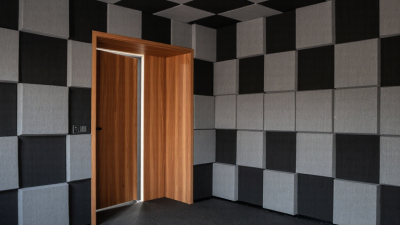
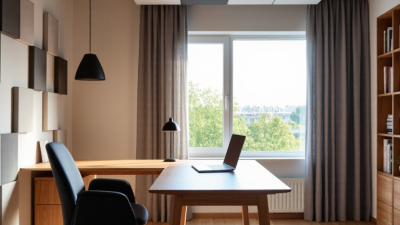
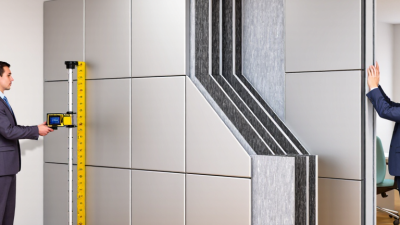
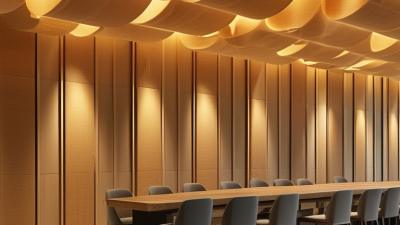
For global buyers, choosing China’s best acoustic tiles manufacturer is not a logo contest. It means weighing tested performance, consistent production, and clear communication. A ceiling tile can look flawless under showroom lights yet disappoint in a busy classroom. Small details matter: edge alignment, surface texture, and how panels sit around lights or air vents.
Sound expert Julian Treasure said, “The human voice is the instrument we all play.” His observation points to a practical goal: helping people hear and speak comfortably in shared spaces. Acoustic tiles can reduce reflected sound, but results depend on the room, installation, and product specification. No tile fixes every acoustic problem.
A useful supplier comparison starts with evidence. Ask for current test reports, including noise-reduction data, and check that the tested product matches the sample offered. Review material composition, dimensions, finish options, packaging, lead times, and support after delivery. Request a sample. Inspect it in ordinary light, not only in a polished catalogue photo.
Price matters. So does consistency between batches. A dependable manufacturer should answer technical questions directly and explain what its product cannot do. That honesty is easy to overlook. Global buyers may also need clear export paperwork and shipment updates. This guide examines how to assess Chinese manufacturers, compare acoustic tiles for different projects, and spot claims that deserve a closer look. There is no universal winner; the right choice depends on the room, budget, and evidence available.

Acoustic tiles differ in more than appearance. Their core material, perforation pattern, thickness, and mounting method affect how they absorb sound. Mineral-fiber tiles are common in offices, classrooms, and clinics because they fit suspended ceilings and help reduce reverberation. Check tested absorption ratings, such as NRC values, alongside cleaning and maintenance requirements. No tile suits every room.
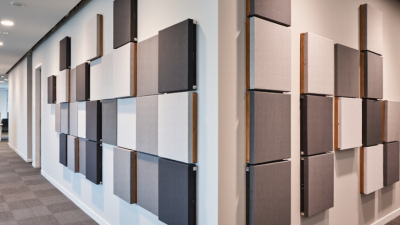
Perforated gypsum panels create a smooth finish for meeting rooms and hospitality spaces. Wood or wood-look slatted tiles add warmth to libraries and reception areas, while fabric-wrapped panels can soften sound in studios and auditoriums. Metal tiles work well where a durable, washable surface matters, but their acoustic performance depends on the backing and cavity behind them. A decorative surface alone does not guarantee effective sound control.
For global projects, match tile selection to room use, ceiling height, local climate, and installation access. A busy school corridor needs different treatment from a small conference room. Ask suppliers for test data, edge details, and installation guidance for the specified system. One easy mistake is choosing by sample appearance alone. It happens. Review reflected ceiling plans and coordinate lighting, sprinklers, and air diffusers before ordering. Even a strong acoustic design may need adjustment after the room is occupied.
| Acoustic Tile Type | Typical Material and Format | Indicative Sound Absorption | Common Project Applications | Key Specification Considerations |
|---|---|---|---|---|
| Mineral Fiber Ceiling Tiles | Mineral wool or other mineral-fiber blend; commonly supplied as square or rectangular suspended-ceiling panels. | NRC is commonly around 0.50–0.75, depending on panel thickness, surface, and mounting. | Offices, schools, retail spaces, healthcare areas, and other commercial interiors. | Check the tested NRC, light reflectance, humidity suitability, cleanability, edge detail, and compatibility with the ceiling grid. |
| Fiberglass Acoustic Panels | Rigid or semi-rigid glass-fiber core, often with a fabric facing or protective coating; available for ceilings and walls. | NRC can be approximately 0.80–1.00 for suitable thicknesses and installation methods. | Conference rooms, studios, auditoriums, classrooms, and open-plan workplaces. | Confirm the complete assembly’s fire classification, facing durability, impact resistance, and installation method; exposed fibers should be appropriately encapsulated. |
| Wood Wool Acoustic Panels | Wood fibers bonded with a mineral binder; typically formed into porous panels with a visible textured surface. | NRC often falls around 0.45–0.85; backing and air-cavity depth can affect results. | Sports facilities, public buildings, schools, restaurants, and interiors where a textured finish is desired. | Review the tested acoustic assembly, panel density, finish, moisture conditions, fixing system, and applicable fire-test documentation. |
| Perforated Gypsum Acoustic Panels | Perforated or slotted gypsum board, usually installed with an acoustic fleece or absorptive backing. | NRC may be approximately 0.50–0.80 for tested systems; perforation pattern and cavity construction are important. | Hotels, corridors, meeting rooms, education buildings, and projects requiring a continuous, paintable ceiling or wall finish. | Specify perforation pattern, backing material, joint treatment, access requirements, and the acoustic rating of the complete installed system. |
| Recycled PET Acoustic Panels | Thermally bonded polyester fiber, often made with recycled content; supplied as lightweight ceiling or wall panels. | NRC varies considerably by thickness and mounting; tested products may range roughly from 0.45 to 0.90. | Offices, learning spaces, libraries, hospitality interiors, and retrofit projects. | Verify recycled-content claims, fire performance, color and edge options, cleaning guidance, and whether the published rating applies to the intended mounting. |
| Perforated Metal Ceiling Panels with Acoustic Backing | Perforated metal face with an acoustic fleece or absorptive infill; often used in modular ceiling systems. | Absorption depends on perforation, backing, and cavity; use the tested assembly rating rather than the metal panel alone. | Transport terminals, airports, commercial kitchens, public concourses, and other high-traffic interiors. | Consider corrosion resistance, cleanability, impact performance, access to building services, and the fire and acoustic classification of the full assembly. |
| Note: NRC (Noise Reduction Coefficient) is a laboratory rating of sound absorption, not sound insulation between rooms. The ranges above are indicative examples, not guaranteed product values. Compare current test reports for the exact panel, thickness, mounting, and installation assembly; project requirements and fire regulations vary by country and jurisdiction. | ||||