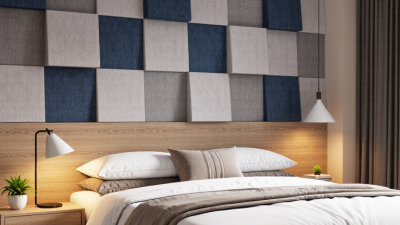
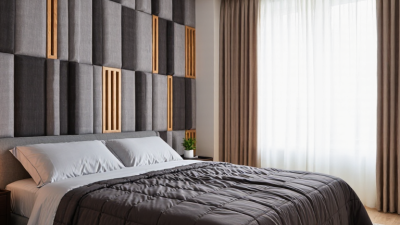
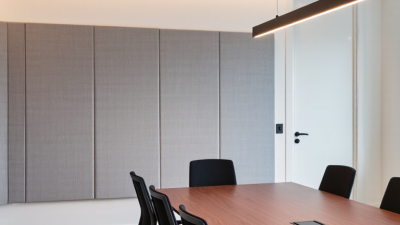
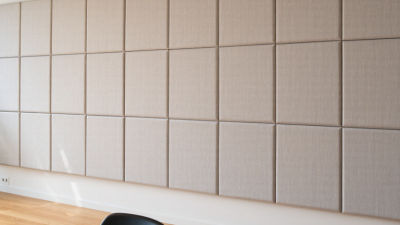
Street traffic, a hallway conversation, or a neighbor’s television can make a bedroom feel less restful. Before shopping, notice when the noise occurs and where it seems loudest. Soundproof wall panels for bedroom use may help, but the right choice depends on the problem you are trying to solve. That distinction matters. Many decorative acoustic panels absorb echoes inside a room; they do not block every sound coming through a wall. A thin foam panel, for example, may soften a sharp clap without stopping low traffic rumble.
Choosing panels involves more than comparing colors and prices. Consider the panel’s material, thickness, coverage, mounting method, and any published performance information. Check whether the manufacturer describes sound absorption or sound isolation, since those terms are not interchangeable. A panel that looks substantial may still offer limited results. Not magic. Also inspect the room itself: gaps beneath a door, a rattling window, or a bare wall can affect what you hear. In some cases, sealing a gap or adding a heavier curtain may be a more useful first step.
The seven tips below offer practical ways to compare options, plan placement, and avoid unrealistic promises. Measure the wall before ordering, and check that installation suits your space and the panel’s weight. If possible, test one panel before covering a large area. Results can be modest. That is worth saying plainly: comfort may improve, yet complete quiet is rarely guaranteed by panels alone. A careful choice starts with realistic expectations and a clear understanding of the noise.
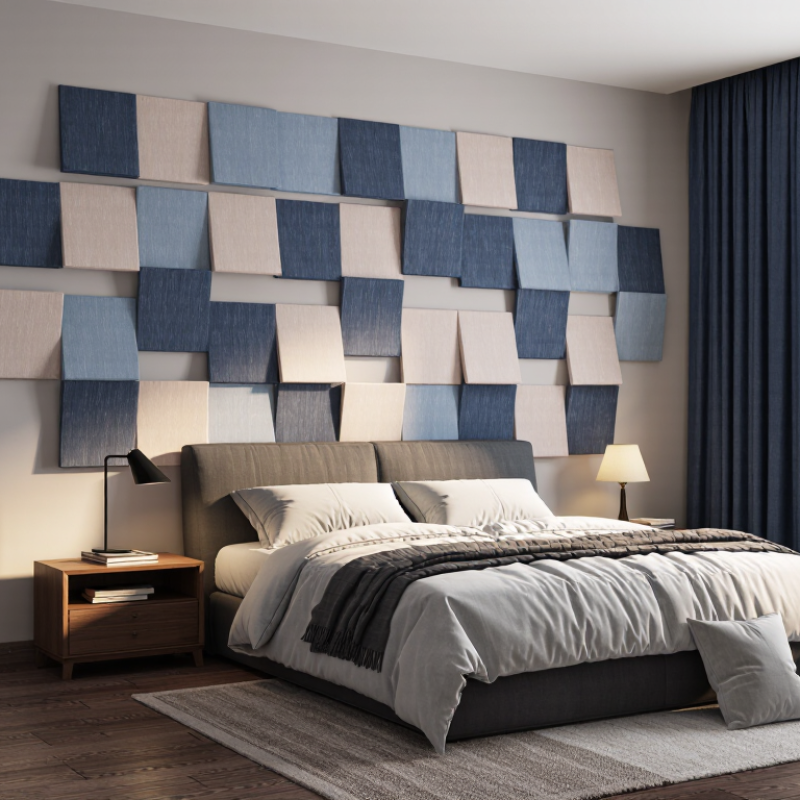
Before choosing bedroom panels, spend a few evenings tracking when noise occurs and where it seems strongest. Note the time, sound, and likely entry point. Traffic may create a steady rumble near a window, while conversations may seem to come through a shared wall. Footsteps overhead can travel through the ceiling and building structure, not just the wall. Small distinctions matter.
Try listening with the window open, then closed. Check for gaps around doors and windows, too. A panel may reduce echo inside the room, but it usually will not stop every sound passing through a wall. It is easy to blame the wall; that may be wrong. A door gap, window, or ceiling connection can also carry noise. If possible, ask someone to make ordinary sounds in the next room while you listen from the bedroom. This simple test can reveal weak spots.
Set a specific, realistic goal before shopping. Do you want speech to feel less distinct, reduce a hollow echo, or make nighttime traffic less noticeable? These are different problems. Write down the loudest sound and the time it disrupts sleep. Then prioritize the relevant surface and compare suitable fixes. I would revisit the plan after a few nights; our first guess is not always right.
| Tip | Identify the Noise Source | Set a Practical Goal | Panel Selection | What to Check or Do |
|---|---|---|---|---|
| 1. Locate where the sound comes from | Noise may enter through a shared wall, a window, a door, the ceiling, or gaps around outlets and trim. | Find the main transmission path before buying panels. | Choose panels for the wall only if the wall is a significant path; panels cannot address every leak elsewhere in the room. | Listen at different locations when the noise occurs. Check window and door seals, and note whether the sound is strongest at a wall or opening. |
| 2. Identify the type of noise | Speech and television are commonly mid-frequency sounds; traffic may include low-frequency rumble; footsteps can travel as impact noise through the building structure. | Decide whether the priority is clearer sleep, less audible speech, or reduced room echo. | Porous absorptive panels can reduce reflections and reverberation, especially in the mid and high frequencies. | Do not assume a thin decorative panel will stop bass, footsteps, or sound transmitted through a building structure. |
| 3. Separate sound absorption from sound isolation | Room echo and sound passing through a wall are different problems. | Choose whether the goal is a less echoey bedroom or less noise reaching the room from outside. | For echo, compare absorption data such as NRC or frequency-specific absorption coefficients. For sound transmission, panels alone are usually insufficient. | NRC describes sound absorption, not how much sound a wall blocks. Sound isolation often requires added mass, airtight sealing, and, where appropriate, decoupled construction. |
| 4. Match panel thickness and construction to the goal | Hard, bare surfaces can create reflections; low-frequency noise is more difficult to control with thin materials. | Reduce reflections in the frequencies that make the room sound harsh or lively. | Compare panel thickness, core material, mounting method, and published test results rather than judging by appearance alone. | Thicker porous absorbers generally work better at lower frequencies than otherwise similar thin absorbers, but results depend on the material and installation. |
| 5. Plan panel placement and coverage | Reflections can come from large exposed wall areas, especially opposite or beside the bed. | Reduce noticeable reflections without covering more wall than the room needs. | Select a suitable panel size and arrange panels across the relevant reflective areas; avoid blocking doors, vents, or electrical access. | Start with the wall surfaces linked to the problem. More coverage can increase absorption, but it does not automatically provide sound isolation. |
| 6. Check safe materials and installation | Bedrooms need a solution that is suitable for long-term indoor use and secure wall mounting. | Improve comfort without creating avoidable fire, air-quality, or installation concerns. | Review the panel’s fire-performance information, material details, cleaning instructions, and approved mounting method. | Follow the manufacturer’s installation guidance, keep panels away from heat sources, and avoid covering smoke alarms, sprinklers, or ventilation openings. |
| 7. Set expectations and test the result | Noise may continue through windows, doors, floors, ceilings, or connected building structures. | Define a realistic improvement, such as less echo or reduced speech intelligibility, rather than expecting silence. | Choose panels with relevant, independently tested acoustic data when available, and consider other treatments if the noise is transmitted through the wall. | Record the noise before installation and compare under similar conditions afterward. For persistent transmission noise, inspect gaps and consider professional building-acoustic advice. |
Key distinction: Acoustic wall panels primarily absorb sound within a room. They can make a bedroom sound less echoey, but they do not by themselves make a wall soundproof or reliably block noise from neighboring rooms.