A bedroom should feel quiet, but street traffic, hallway voices, and a rattling window can keep disturbing the room. Soundproof wall panels for bedroom use may help, yet “soundproof” can promise more than a panel delivers. Most decorative panels absorb sound inside a room, reducing echo and making voices less harsh. They usually do not stop loud noise from passing through walls.
Sound consultant Julian Treasure has said, “We are losing our listening.” His observation highlights why sound quality matters at home, not just in recording studios. The right panel depends on the problem: soft felt or fabric-covered panels can tame reflections, while thicker, denser products may offer greater absorption. Still, neither choice replaces sealing air gaps or addressing a thin shared wall. Small details matter. A door gap can let in more noise than expected.
This guide compares common panel types by material, placement, appearance, and practical limits. It also considers bedroom details, such as the space behind a headboard, nighttime noise, and whether renters can install panels without permanent changes. Product claims deserve a careful look; a high absorption rating does not automatically mean strong sound blocking. That distinction is easy to miss. Even a well-researched guide cannot diagnose every room, so treat these recommendations as a starting point—not a guaranteed fix.
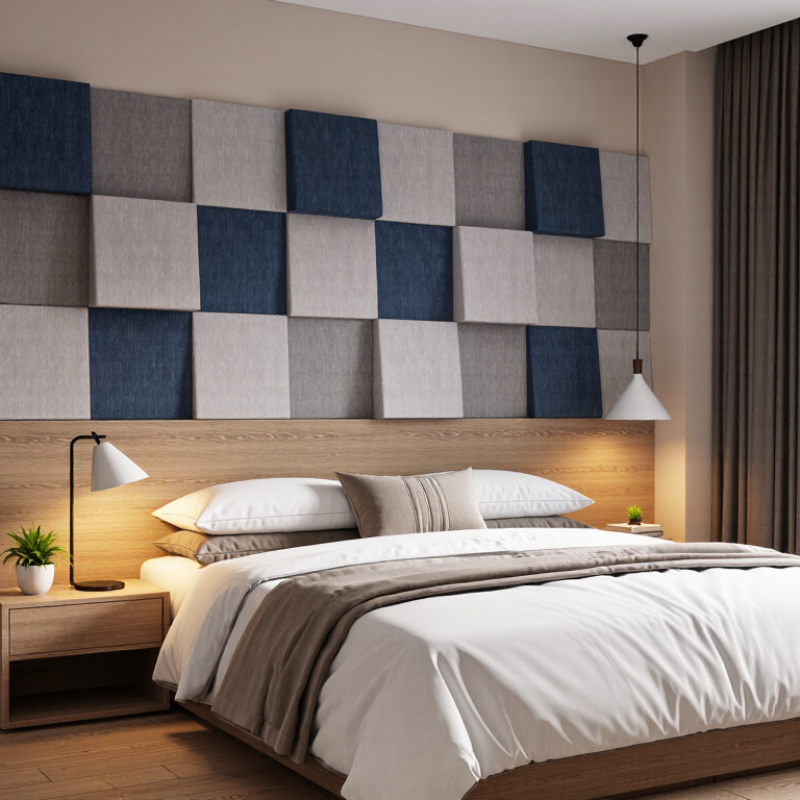
Soundproof wall panels can make a bedroom feel calmer, but they rarely stop all outside noise. Most panels absorb sound reflections inside the room. That can soften a sharp voice or reduce the hollow ring after a door closes. Noise passing through a thin wall needs a different fix, such as added wall mass, sealed gaps, or improved insulation. A panel alone may disappoint.
The World Health Organization’s Guidelines for Community Noise (1999) recommend keeping continuous bedroom noise below 30 dB(A) for good sleep. This is a health-based reference, not a promise that any panel will reach that level. For comparison, look for tested absorption data. ASTM C423 measures sound absorption; it does not rate how much noise a panel blocks through a wall. Small details matter: a bare gap around a socket can still let sound through.
Tips: Find where the noise enters before buying panels. Try a heavy curtain, then check the door and window seals. For panels, compare ASTM C423 results and follow the tested mounting instructions. Take a short recording before and after. It may reveal a modest improvement, not silence. My first instinct would be to cover the whole wall; that is not always the most useful place to start.
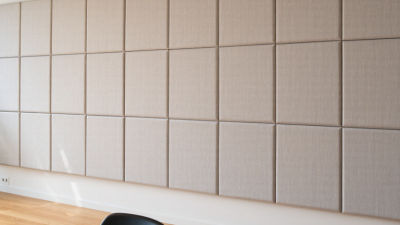
Acoustic panels can reduce echo and make a bedroom sound calmer. They usually absorb sound inside the room; they do not, by themselves, block substantial noise passing through a wall.
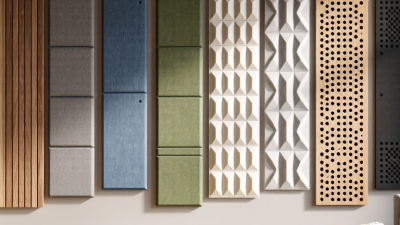
| Panel Type | Typical Sound Absorption | Best Bedroom Use | Main Advantages | Limitations | Installation Notes | Overall Fit |
|---|---|---|---|---|---|---|
| Fabric-wrapped fiberglass or mineral-wool panel | Often about NRC 0.80–1.00 for tested, thicker panels; results vary by thickness and mounting. | Reducing speech reflections, room echo, and sound from TV or calls. | Strong broad-frequency absorption; available in different sizes and fabric finishes. | Does not provide meaningful sound isolation when simply mounted on a wall; exposed edges need suitable covering. | Use panels with a documented fire rating. An air gap behind a panel can improve absorption at lower frequencies. | Best overall for reducing indoor echo |
| PET felt panel | Commonly about NRC 0.30–0.85, depending on thickness, pattern, and mounting. | Light-to-moderate echo control and decorative bedroom treatment. | Lightweight, easy to cut, and available in many shapes and colors. | Thin versions may absorb less, especially at lower frequencies; performance varies considerably by product. | Check the tested acoustic rating and fire-safety information; follow the specified adhesive or mounting method. | Good for a light, decorative treatment |
| Acoustic foam panel | Varies widely; many thin products provide limited low-frequency absorption. | Reducing flutter echo and higher-frequency reflections in a practice or recording area. | Lightweight and simple to install; wedge and pyramid shapes are widely available. | Does not soundproof a wall; thin foam is not a reliable solution for traffic rumble or bass. | Confirm fire performance and use a mounting method suitable for the wall surface. | Best for targeted echo control on a budget |
| Slatted wood panel with acoustic backing | Often about NRC 0.50–0.90 for tested systems; depends on the backing, cavity, and slat layout. | Bedrooms where appearance and moderate reverberation control are both priorities. | Decorative finish; the backing can absorb reflected sound while the slats add a finished look. | Usually costs more and weighs more than basic felt; the wood face alone is not an effective absorber. | Follow the panel maker’s tested assembly details, including any required backing or air gap. | Best for combining design and acoustic treatment |
| Dense sound-isolation wall assembly | NRC is not the right measure for wall-to-wall isolation; look for an assembly’s tested STC rating. | Reducing noise that enters through a shared wall, when installed as part of a complete system. | Can improve sound isolation when mass, airtightness, and appropriate framing or decoupling are combined. | More disruptive and costly than surface panels; results depend on the whole wall and weak points such as doors, outlets, and gaps. | Consider a qualified contractor. Sealing gaps and treating flanking paths are important; a decorative panel alone is not equivalent. | Best direction for noise coming through a wall |
NRC (Noise Reduction Coefficient) describes sound absorption in a test setup, not how much sound a wall blocks. Values shown are indicative ranges for product types, not guarantees; check the specific product’s independent test data, thickness, mounting method, and fire rating. For outside or neighboring noise, investigate the entire wall, doors, windows, gaps, and flanking paths.