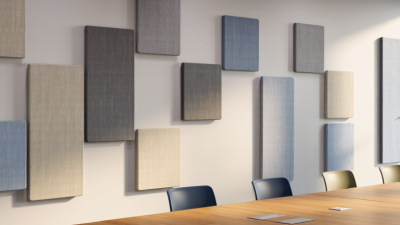
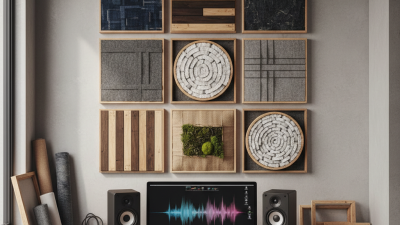
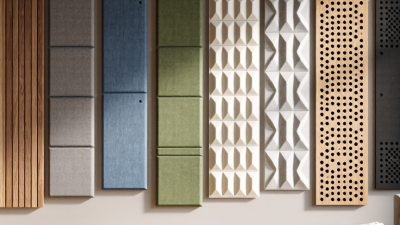
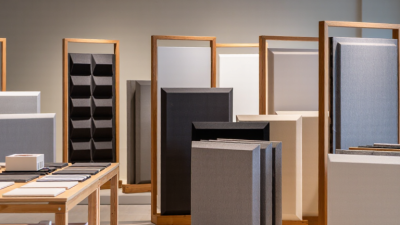
Top Soundproof Wall Panels for Bedroom
A quiet bedroom is not a luxury; it supports sleep quality, concentration, and emotional recovery. The World Health Organization’s Night Noise Guidelines for Europe recommend keeping indoor bedroom noise below 30 dB at night for good sleep. That target can feel difficult beside traffic, television sound, plumbing, or a partner’s late-night routine. This guide examines soundproof wall panels for bedroom spaces, focusing on measured performance, installation quality, appearance, and practical value.
The key distinction matters. Decorative acoustic panels absorb reflected sound, but they rarely block every external noise source. The U.S. Environmental Protection Agency identifies building design, gaps, doors, windows, and transmission paths as important factors in indoor noise control. Therefore, a thick panel may reduce echo while doing little against low-frequency traffic. ISO 10140 and ASTM E90 testing can provide useful laboratory data, although results may differ in a furnished bedroom. Real rooms are messier than laboratories.
Look for published sound absorption coefficients, tested frequency ranges, core density, fire-performance information, and mounting instructions. Mineral wool, polyester fiber, wood-slat systems, and composite barriers each behave differently. A bedside wall may need softer absorption, while a shared wall may require added mass and airtight detailing. Small gaps matter.
No panel is perfect.
Professional installers often recommend treating the whole sound path, not only the most visible wall. That advice is easy to overlook. This comparison weighs independent testing, material safety, installation effort, maintenance, and honest limitations, helping readers choose a quieter and more comfortable sleeping environment.
Understanding Bedroom Soundproof Wall Panels and Their Purpose
Top Soundproof Wall Panels for Bedroom
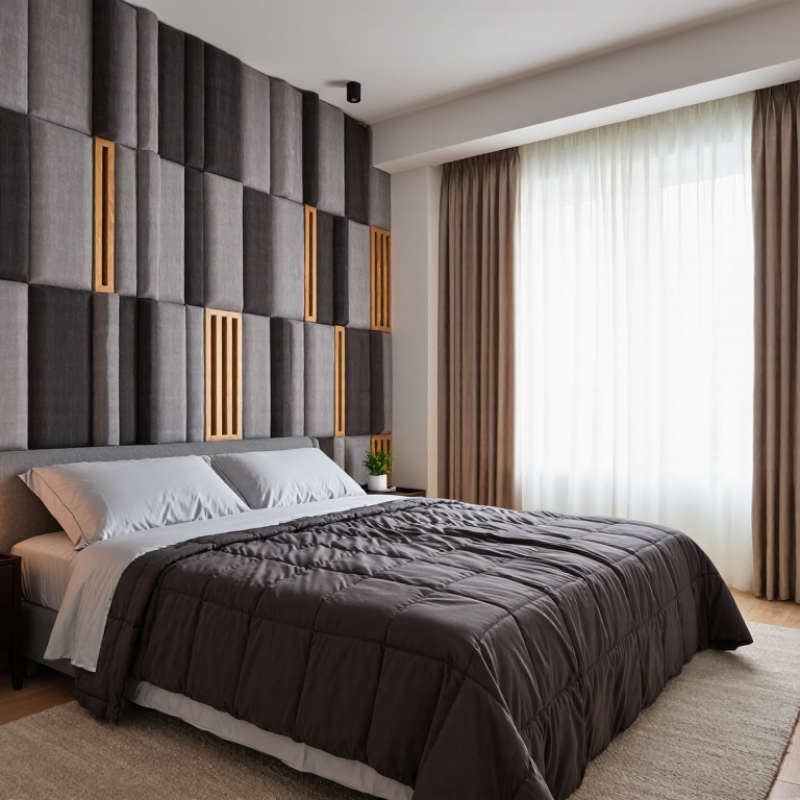
Bedroom soundproof wall panels are designed to reduce reflected sound, not block every outside noise. They absorb voices, television echoes, and sharp nighttime sounds inside the room. That difference matters. True sound isolation also depends on wall mass, airtight joints, insulation, and structural separation.
The World Health Organization’s Environmental Noise Guidelines for the European Region recommends keeping bedroom outdoor noise below 40 dB Lnight. Wall panels can support quieter conditions, but they cannot correct a hollow door or gaps around electrical outlets.
ASTM E90 measures airborne sound transmission, while ASTM E413 rates it through the Sound Transmission Class system. These standards show why a panel’s absorption rating alone cannot prove full soundproofing performance.
A practical installation begins with the wall facing the loudest source. Covering the entire surface is not always necessary. Leave ventilation clear, and check the panel’s fire and mounting specifications.
Tips:
Tap the wall first. A thin, lightweight partition may need added mass behind the panel. Seal visible gaps before adding decorative treatment. A simple phone recording can reveal improvement, although it is not laboratory testing.
I once considered a quieter room successful too quickly; traffic noise had simply shifted to a different frequency. Listen at bedtime, not only during installation.
Comparing Panel Types, Materials, and Soundproofing Performance
Top soundproof wall panels for bedrooms should be judged by function, not appearance. Porous mineral wool and PET-fiber panels absorb speech, traffic noise, and room echo. Their Noise Reduction Coefficient, tested under ASTM C423, commonly ranges from 0.70 to 1.00 at mid frequencies. That is useful for clearer, calmer sound. It does not fully stop noise passing through a wall.
Mass-loaded panels and dense composite boards work differently. Their extra mass can improve airborne sound isolation when installed continuously, with sealed joints. ASTM E90 evaluates Sound Transmission Class performance, but a panel’s rating alone does not equal the whole wall’s result. Flanking paths around outlets, doors, and ceilings often reduce real-world performance. I have seen attractive panels fail because their edges were left open.
Wood-slat panels with acoustic backing balance decoration and absorption, though their exposed gaps may provide less coverage. Mineral wool usually offers stronger broadband absorption, while PET panels are lighter and easier to cut. For a bedroom, aim for low reverberation and controlled outside noise, rather than silence. The World Health Organization’s 2018 Environmental Noise Guidelines recommend keeping indoor bedroom noise below 30 dB(A) at night for good sleep. That target can be difficult in urban homes.
Measure before buying. Use a decibel meter at the pillow, then compare readings after installation. Results vary. A thicker panel, sealed perimeter, and dense backing often matter more than color, but this is where many product comparisons become too optimistic.
Choosing the Right Panels for Bedroom Size, Noise Source, and Style
Top Soundproof Wall Panels for Bedroom
Choosing panels starts with the bedroom’s size and the actual noise source. In a small room, dense placement can make speech and television sound less harsh. Fabric-wrapped acoustic panels usually absorb mid and high frequencies. However, they will not stop bass from traffic or neighboring music. The World Health Organization recommends keeping nighttime outdoor noise below 40 dB Lnight to protect sleep. That target shows why panels alone may disappoint. They improve room acoustics, but mass, airtight gaps, doors, and windows control sound transmission.
Noise type matters more than decoration. For voices, dogs, or hallway sounds, place panels on the shared wall and first-reflection points. For traffic rumble, combine absorption with heavier construction and sealed window edges. ASTM C423 measures sound absorption, while the Noise Reduction Coefficient describes absorption performance, not true sound blocking. A large bedroom may need broader coverage, while a small bedroom benefits from fewer, thicker panels. Style still matters. Neutral textiles can soften a minimalist room, while wood-slat designs add warmth. My practical concern is simple: attractive panels can create false confidence.
Tips: Measure the room before buying. Start with the noisiest wall. Leave ventilation clear. Check the product’s tested rating, thickness, and installation method. If sleep remains disturbed, reassess the window and door before adding more panels.
Planning Panel Placement for Walls, Ceilings, Doors, and Shared Spaces
Top Soundproof Wall Panels for Bedroom
Panel placement should follow the noise path, not the room’s decoration. On a shared wall, cover the reflection zone beside the bed first. Place thicker panels near the headboard and opposite the loudest source. Do not confuse absorption with sound blocking. Absorption calms echoes; it rarely stops voices, footsteps, or plumbing.
The World Health Organization’s Night Noise Guidelines for Europe recommend less than 30 dB(A) indoors during night-time sleep. Use that target as a comfort reference, not a guaranteed panel result. ISO 10140 and ISO 16283 testing also show why laboratory ratings cannot predict every bedroom.
My first layout would have left the door untreated. That was a mistake. Doors leak through gaps, hinges, and thin cores. Fit perimeter seals and a door sweep before adding a decorative panel. On ceilings, place panels above the bed or along the strongest reflection path. For shared spaces, treat the wall on your side while respecting ventilation and fire-safety requirements. A small uncovered area may be useful. I still underestimate how much furniture changes reflections.
Tips:
Keep a simple noise log for three nights. Record the time, source, and location. Test one change at a time. Leave some ceiling exposed; an overtreated room can feel dull.
Installing and Maintaining Soundproof Wall Panels Safely and Effectively
A quiet bedroom starts with careful panel selection and a realistic goal. Soundproof wall panels can reduce echoes and soften outside noise, but they rarely block every sound. Choose panels with tested acoustic ratings, a stable backing, and materials suitable for indoor bedrooms. Check the wall for dampness, loose plaster, or hidden wiring before installation. Never cover electrical outlets, vents, or heating equipment. Measure twice.
Wear gloves, eye protection, and a dust mask when cutting or drilling panels. Keep the room ventilated, especially when using construction adhesive. Follow the adhesive’s curing instructions, because early contact can cause panels to fall. For heavier panels, use appropriate anchors or fasten them into wall studs. Leave small service gaps around outlets and switches. My first installation looked neat, but I placed one panel too close to a vent. It reduced airflow, so I moved it and reconsidered the layout.
Maintenance should be simple but regular. Vacuum the surface with a soft brush every few weeks, using low suction. Avoid soaking fabric or foam, since trapped moisture can encourage odors and mold. Inspect edges, fasteners, and adhesive bonds twice a year. A loose corner needs attention before it becomes a falling panel. Keep furniture from pressing against the surface, and avoid hanging heavy objects from acoustic material. Panel performance can change as the room changes; new curtains, rugs, or furniture may improve results more than adding another panel. That is worth testing.
Top Soundproof Wall Panels for Bedroom
Typical sound absorption performance by panel construction
Thicker, porous panels generally absorb more reflected sound inside a bedroom. The displayed NRC values are representative ranges for common panel constructions, not guaranteed product ratings. Install panels securely, keep electrical outlets and ventilation clear, and follow the manufacturer’s fire-safety and mounting instructions. Vacuum fabric surfaces gently and inspect mounting hardware regularly.