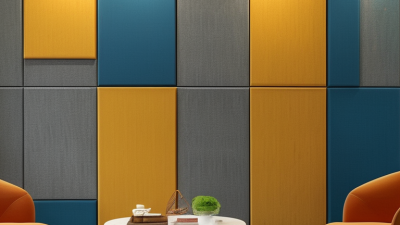
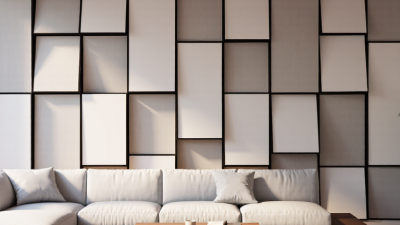
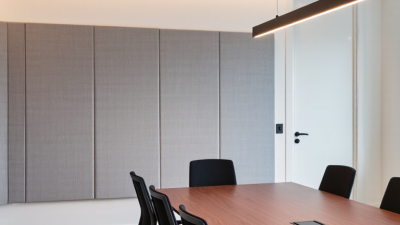
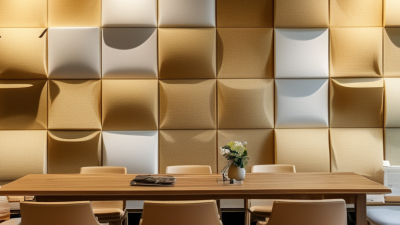
The demand for acoustic sound panels for walls is rising as offices, schools, hotels, and homes seek quieter, healthier interiors. Noise control is no longer a decorative choice. It affects concentration, privacy, sleep, and perceived comfort.
The World Health Organization’s European noise assessment linked environmental noise with sleep disturbance, annoyance, and cardiovascular risks. Its earlier burden-of-disease analysis estimated that traffic noise caused more than one million healthy life years lost annually in Western Europe. These findings give acoustic treatment a stronger professional basis. They also remind buyers that attractive wall panels cannot replace proper acoustic testing.
This guide examines China’s top 10 manufacturers through practical and technical criteria. These include absorption performance, fire resistance, material safety, customization, production capacity, and export experience. Relevant references include ISO 354 for sound absorption testing, ISO 11654 for rating absorbers, and ASTM C423 for laboratory evaluation. Reports from Grand View Research and MarketsandMarkets also identify construction, commercial interiors, and transportation as important growth areas for acoustic products.
Factory claims still need careful review. A beautiful PET panel may perform poorly in a large reverberant room. A low price can hide weak density, inconsistent backing, or limited documentation. The ranking is therefore not absolute. It reflects available technical evidence, market visibility, manufacturing capability, and application experience. Buyers should request recent laboratory reports, sample panels, fire certificates, and installation guidance before placing an order. That step is simple. It is often missed.
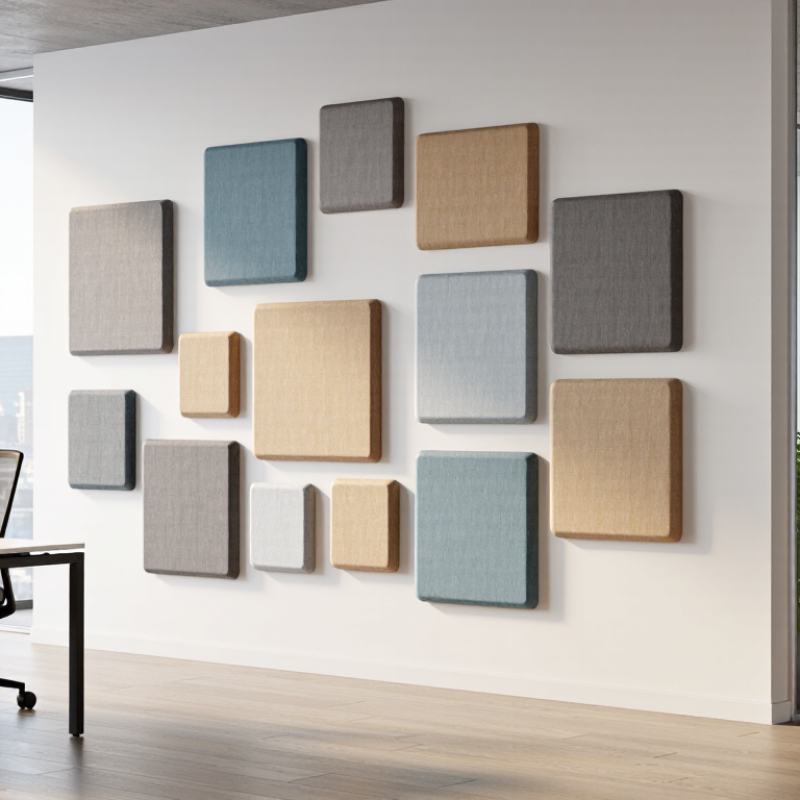
Acoustic sound panels are materials designed to control unwanted reflections inside a room. They absorb part of the sound energy instead of letting it bounce between hard surfaces. Common cores include polyester fiber, mineral wool, and other porous materials. Fabric, wood, or perforated finishes protect the core and support the room’s visual design.
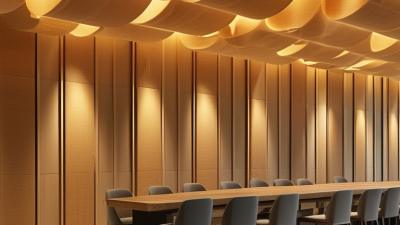
They do not completely block outside noise. That difference matters. When sound waves meet a panel, air moves through tiny spaces in the core. Friction changes some sound energy into small amounts of heat. Echoes become shorter, speech becomes clearer, and music sounds less harsh. In a meeting room, panels can reduce the sharp flutter heard between glass walls. Ceiling clouds also help control noise above busy workstations.
Placement affects performance greatly. Panels on opposite walls can manage strong reflections, while corner treatment may reduce low-frequency buildup. I once saw a room filled with wall panels but still suffering from ceiling reflections. The layout needed more thought. No installation is perfect.
When comparing China’s top acoustic panel manufacturers, buyers should request absorption test data, fire-performance information, core density, and installation guidance. Reliable suppliers explain testing conditions clearly. They should also provide samples, because colors and textures can appear different under office lighting. A thin decorative panel may look attractive but perform poorly in a noisy room. Experienced manufacturers balance acoustic results, durability, safety, and practical maintenance.

When evaluating China’s top acoustic sound panel manufacturers, begin with measurable performance, not polished catalogs.
Ask for laboratory reports showing sound absorption under ISO 354 or ASTM C423. Check the test frequency range, panel thickness, mounting method, and sample size. These details can change the reported coefficient.
A high rating alone proves little. It may not match a hotel corridor or a recording room.
Material safety also deserves close inspection. Request fire classification, VOC, and formaldehyde test results for the complete panel, including fabric, adhesive, and backing. Factory experience matters here. A reliable supplier should explain production controls, moisture protection, and batch traceability without hesitation.
Visit the facility when possible. Look at cutting accuracy, edge finishing, packaging, and warehouse conditions. Small defects often appear before installation. Ask for samples from different batches.
One sample can mislead. It happened during a project I reviewed; the approved panel differed slightly in color and density after mass production. That gap required rework.
A written specification, signed sample, inspection plan, and clear warranty reduce such risks.
Confirm whether the manufacturer provides installation drawings and practical acoustic guidance, rather than only selling attractive wall coverings.
Even experienced teams can overlook room geometry, reflection points, and air gaps behind panels.
China’s top 10 acoustic sound panel manufacturers represent a broad production base for offices, studios, schools, hotels, and public interiors. Many suppliers combine PET felt, mineral fiber, wood slats, perforated boards, and fabric finishes. Their practical value depends on tested performance, not attractive catalogs. A responsible buyer should request absorption data, fire documentation, emissions information, and installation guidance. Small details matter. Panel thickness, air gaps, edge treatment, and ceiling height can change results.
Experienced manufacturers usually provide project drawings, sample pieces, color matching, and packing plans for large shipments. They should explain whether laboratory ratings reflect individual panels or complete wall systems. This distinction is often missed. Look for reports using recognized acoustic methods, clear test conditions, and traceable material specifications. Factory quality control may include density checks, adhesive inspection, surface review, and carton drop testing. Still, production consistency deserves verification through pre-shipment samples and independent inspection.
The strongest candidates among China’s leading ten are not always the cheapest. They respond clearly to technical questions and disclose realistic tolerances. Ask about replacement panels, batch variation, maintenance, and lead times before approval. Acoustic design also requires room measurements; panels cannot correct every low-frequency problem. Attractive layouts can underperform when installers ignore corners and reflection paths. A better evaluation combines supplier evidence, site conditions, and a small pilot installation. Leave room for revision.
| No. | Anonymous Manufacturer Profile | Primary Panel Type | Common Core / Facing Material | Typical Thickness | Typical NRC Range* | Typical Fire-Test Classification | Common Panel Sizes | Typical Wall Applications | Customization Capabilities |
|---|---|---|---|---|---|---|---|---|---|
| 01 | Profile 01 | PET acoustic wall panel | Recycled polyester fiber, molded or pressed | 9–24 mm | 0.30–0.80 | ASTM E84 Class A or equivalent, depending on composition | Approx. 2,400 × 1,200 mm; custom cutting available | Offices, schools, studios, meeting rooms | Color, CNC shapes, printed graphics, edge profiles |
| 02 | Profile 02 | Fabric-wrapped acoustic panel | Mineral wool or fiberglass core with acoustic fabric | 25–100 mm | 0.70–1.15 | ASTM E84 Class A or EN 13501-1 rating when tested | 600 × 600 mm to 2,400 × 1,200 mm | Conference rooms, cinemas, auditoriums, offices | Fabric color, thickness, bevels, printed surfaces, concealed frames |
| 03 | Profile 03 | Wood slat acoustic panel | Veneered or laminated wood slats on an acoustic felt backing | 21–45 mm | 0.35–0.95 | Depends on wood finish, backing and tested assembly | Approx. 2,400 × 600 mm; modular formats common | Restaurants, hospitality areas, offices, residential interiors | Slat spacing, veneer, stain, perforation, edge and module design |
| 04 | Profile 04 | Perforated wood acoustic panel | Perforated MDF, plywood or veneered wood with absorptive backing | 12–25 mm | 0.45–0.85 | Project-specific fire classification; finish and substrate are decisive | 600 × 600 mm to 2,440 × 1,220 mm | Music rooms, lecture halls, offices, public interiors | Hole pattern, open area, veneer, finish, dimensions and edge details |
| 05 | Profile 05 | Acoustic wall diffuser | Solid timber, MDF or engineered wood with profiled surface | 50–150 mm | Primarily diffusion; NRC is not the principal rating | Depends on substrate and surface treatment | 600 × 600 mm to 1,200 × 1,200 mm | Recording rooms, control rooms, theaters, listening rooms | Profile depth, sequence, wood species, stain and module size |
| 06 | Profile 06 | Polyester fiber baffle or 3D panel | Thermoformed recycled PET fiber | 12–50 mm | 0.40–1.00, depending on shape and air gap | ASTM E84 Class A or equivalent options available | Custom geometric modules; standard sheets also available | Open-plan offices, education spaces, retail interiors | 3D forming, color combinations, printed patterns and cutting |
| 07 | Profile 07 | Acoustic foam wall panel | Open-cell polyurethane or melamine foam | 25–100 mm | 0.45–1.10 | Fire performance varies substantially by foam chemistry and test method | 300 × 300 mm to 1,200 × 600 mm | Broadcast rooms, vocal booths, rehearsal rooms, industrial spaces | Wedge, pyramid, contour, thickness, color and cut-to-size formats |
| 08 | Profile 08 | Microperforated acoustic panel | Microperforated polymer, metal or coated wood surface with air cavity | 10–40 mm plus cavity | 0.35–0.85 | Requires assembly-specific testing; surface material affects classification | 600 × 600 mm to 2,400 × 1,200 mm | Cleanrooms, offices, museums, transport and public buildings | Perforation ratio, cavity depth, finish, color and module dimensions |
| 09 | Profile 09 | Stretch-fabric acoustic system | Absorptive mineral wool or fiberglass core with replaceable fabric | 40–100 mm | 0.80–1.25 | Fabric and core assembly commonly tested to ASTM E84 or EN standards | Made-to-measure wall sections and continuous systems | Large offices, hotels, auditoriums, educational facilities | Curved walls, access panels, integrated graphics and large-format layouts |
| 10 | Profile 10 | Hybrid acoustic art panel | PET or fabric-wrapped absorptive core with digitally printed surface | 12–50 mm | 0.35–0.95 | Depends on the selected substrate, coating and complete assembly | Custom artwork sizes; commonly up to approximately 2,400 × 1,200 mm | Hotels, restaurants, offices, healthcare and residential interiors | Artwork, photographic printing, shapes, colors, thickness and framing |
* NRC values are indicative ranges for commonly manufactured wall-panel constructions. Actual performance depends on frequency, mounting method, air gap, panel size and the complete tested assembly. Fire classifications must be confirmed through current third-party test reports for the specific product configuration.
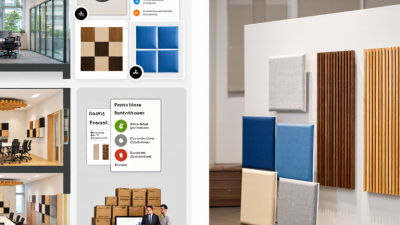
China’s leading acoustic panel manufacturers typically offer fabric-wrapped panels, PET felt boards, wood slat panels, bass traps, and decorative wall systems. Each type serves a different acoustic problem. Fabric panels absorb speech reflections, while wood slats combine diffusion with visual warmth. PET panels are lightweight and easy to shape. They suit offices, classrooms, studios, and hospitality spaces.
Grand View Research reported that the global acoustic panels market was valued at over USD 10 billion in 2023. The report also forecasts steady growth through 2030. This demand supports wider material choices, including recycled polyester, fiberglass, mineral wool, MDF, veneer, and perforated timber. However, material selection needs testing. A visually attractive panel may perform poorly in low-frequency control. No panel solves every room.
Tips: Ask for NRC test results based on ASTM C423 or equivalent standards. Request fire-performance documents and production samples. Confirm panel thickness, edge details, mounting hardware, color tolerance, and carton protection. Custom options may include logos, printed surfaces, curved forms, acoustic clouds, and project-specific dimensions. Still, extreme customization can increase lead times and replacement difficulty. I have seen designs prioritize appearance too heavily. That choice often creates expensive corrections later. Evaluate the room’s reverberation time before approving the final pattern.
When comparing China’s top acoustic wall panel manufacturers, start with evidence, not rankings. A polished catalog proves little. Request recent factory photos, production capacity, material specifications, and independent acoustic test reports. Check whether each report matches the exact panel thickness, backing, and installation method. A 40-millimeter panel can perform differently with an air gap. This detail is often missed.
Ask each supplier for a sample set. Inspect edge finishing, fabric tension, color consistency, and odor after unpacking. Measure lead time from approved drawing to shipment, not from the first inquiry. Reliable manufacturers explain tolerances, packaging, replacement procedures, and quality checks before payment. Compare NRC values carefully, because laboratory results may not predict a busy office or restaurant. Request installation drawings and maintenance guidance. If a supplier avoids clear answers, treat that as useful evidence. It may reflect weak process control.
Price should be compared beside density, fire-performance documentation, warranty scope, minimum order quantity, and communication speed. A low quote can hide fragile corners, poor cartons, or expensive rework. For larger projects, ask for a pre-production sample and a video inspection at key stages. Verify references from projects with similar room sizes and reverberation problems. My comparison sheets are rarely perfect; freight changes and revised drawings can distort the result. Leave space for uncertainty. Choose the manufacturer that documents limitations honestly and can repeat the approved sample, not merely the one promising fast delivery.