A quiet bedroom can feel like a small luxury: the hallway softens, traffic becomes less sharp, and your own thoughts finally settle. But “soundproof” can promise more than a panel delivers. Most wall panels absorb reflections inside a room; they rarely stop loud voices or street noise passing through walls. That distinction matters.
The World Health Organization’s 2018 Environmental Noise Guidelines for the European Region recommend keeping average nighttime road-traffic noise below 40 dB Lnight outdoors. This is a public-health guideline, not a guarantee that any bedroom product will create silence. Sound consultant Julian Treasure offers a useful reminder: “We spend roughly 60 percent of our communication time listening, but we’re not very good at it.” His TED talk focuses on listening, yet the point fits a bedroom: the sounds we notice can shape how restful a space feels.
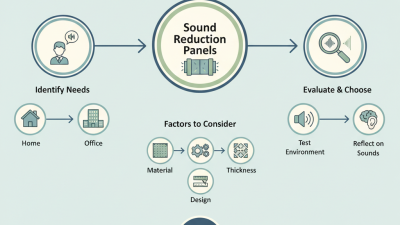
This guide compares the top 10 soundproof wall panels for bedroom use, with attention to documented acoustic ratings, materials, installation, and practical coverage. NRC ratings can help indicate how much sound a panel absorbs, but they do not measure how well it blocks sound through a wall. Check the product data, not just the lifestyle photos. A panel behind a headboard may tame a hollow echo; it may do little against a neighbor’s television. That can be disappointing. The best choice depends on the noise source, the room, and realistic expectations—not on the word “soundproof” alone.
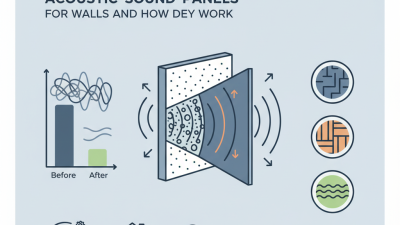
Bedroom wall panels control sound in two distinct ways: absorption and blocking. Absorptive panels reduce echoes inside the room. Their porous surfaces, often made from fabric-wrapped fibers, let sound enter and lose energy. This can make speech and television sound less sharp, but it will not stop a neighbor’s bass from passing through a wall. Different job. Big difference.
The Noise Reduction Coefficient, measured under ASTM C423, rates how much sound a material absorbs across selected frequencies. A higher NRC can help tame room reflections, but it does not measure sound isolation. Blocking relies more on mass, airtightness, and wall construction. The Sound Transmission Class rating, classified under ASTM E413, estimates airborne sound reduction through building assemblies; it is not a guarantee of bedroom performance. Gaps around outlets, doors, and trim can undermine a well-rated wall.
The World Health Organization’s 2018 Environmental Noise Guidelines recommend keeping average outdoor nighttime noise below 40 dB Lnight to protect health. That benchmark concerns outdoor exposure, not a panel’s tested performance. For a bedroom, use absorption panels to soften echoes, and investigate leaks or wall construction when outside noise remains intrusive. A thin decorative panel may look substantial. It may still block very little.
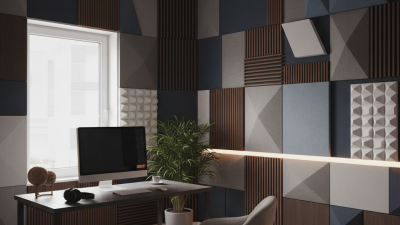
When comparing bedroom wall panels, read NRC and STC as different measurements. NRC, tested under ASTM C423, estimates how much sound a material absorbs inside a room. It ranges from 0.0 to 1.0; higher values generally mean less reflected sound. An NRC of 0.80 does not mean the panel blocks 80 percent of noise. It may help soften echoes, such as a sharp clap bouncing off bare walls.
STC, classified under ASTM E413, describes airborne sound reduction through a tested wall or partition assembly. Higher STC values generally indicate better blocking of voices or television noise. The rating applies to the tested construction, not automatically to a loose panel. That distinction is easy to miss. A panel can improve room acoustics while doing little to stop a neighbor’s voice. Gaps, doors, and thin walls can also affect what you hear. One number cannot describe every sound or bedroom.
Tips: Check the test report and what was tested. Compare NRC values at similar frequencies, when available, and look for STC data for a complete wall assembly. Treat unusually broad promises cautiously. Ratings are useful, but your room may behave differently. A small uncovered corner can still reflect sound.
Bedroom panels can reduce echo and make voices sound less sharp, but they rarely stop noise passing through walls. For a fair comparison, note the noise source: hallway speech, traffic, and bass behave differently. A panel that improves a bedroom’s acoustics may not quiet a neighbour’s subwoofer.
Thickness matters, but it is not the only measure. Thicker, denser panels may absorb a broader range of sound, while thin foam often helps mainly with reflections. Coverage matters. A few small squares above the bed may leave most of a bare wall untreated; sketch the wall and estimate the area you can cover before buying. Leave access to outlets and switches. I would not assume a larger panel automatically performs better.
Check the product’s fire-test information and follow its installation instructions, especially near heaters or lamps. Requirements can vary by building and location, so unclear documentation deserves a question to the seller or installer. For VOC emissions, look for specific emissions-testing details rather than relying on a “low odor” claim. A faint smell can linger after unpacking, but smell alone cannot confirm what is in the air. Small bedroom, closed door, new panels—that combination is worth considering before installation.
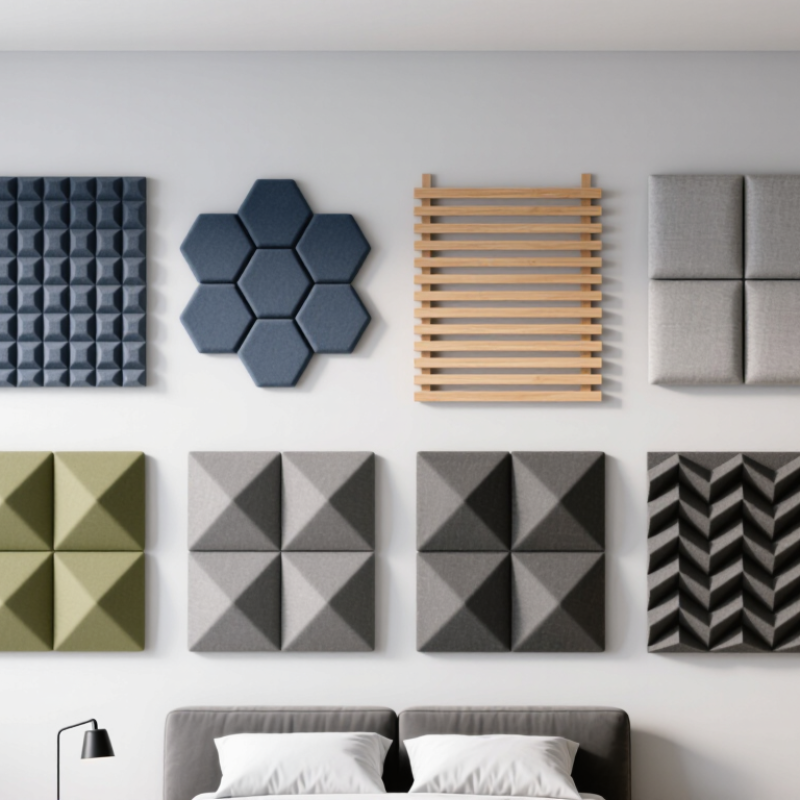
Choosing among the top ten bedroom wall panels means comparing materials, not just appearance. Fabric-wrapped mineral wool and fiberglass often absorb mid- and high-frequency sounds well. PET felt, recycled cotton, and foam are lighter options, while cork offers a firmer, decorative surface. Wood-slat felt and perforated wood combine a finished look with an absorbent backing. Dense composite and mass-loaded-vinyl panels add weight, but need careful installation. Results vary by thickness, coverage, and wall construction.
Check ratings closely. NRC measures how much sound a panel absorbs inside a room; it does not show how much noise passes through a wall. STC generally rates a complete wall assembly, not a thin decorative panel alone. A high NRC can reduce echo from a hard floor or bare wall, but it may not stop traffic rumble or a neighbor’s television. Look for test details, panel thickness, and installation requirements. Be cautious when listings present one rating as proof of total soundproofing.
Tips: Treat ratings as comparisons, not guarantees. Try a small section first, and listen from the bed after installation. Seal obvious gaps around doors separately; panels cannot fix every sound path. A quiet room is not always perfectly silent.
Before installing bedroom wall panels, inspect the edges of windows, doors, outlets, and baseboards. A narrow gap can let conversation or traffic noise pass through, even when the wall looks covered. Use suitable flexible sealant around fixed gaps, and weatherstripping where a door closes. Keep ventilation openings clear. Small gaps matter.
Mount panels according to their instructions, with secure fixings and even spacing. Absorptive panels can reduce echoes, but they do not replace insulation or seal a wall against outside noise. For a simple performance check, stand in the same spot before and after installation and clap once. Listen for the length and sharpness of the echo. Then listen again. A phone recording can help compare results, though automatic volume controls make it an imperfect tool.
For a more consistent check, use an acoustic app to estimate reverberation time from several positions in the room. Record the readings before installation, then repeat with doors and windows in the same positions. Avoid measuring beside a soft bed one time and near a bare wall the next. Differences may come from furniture, not the panels. If speech still sounds clear through a closed door, inspect its bottom edge and frame before adding more wall treatment.