How to Choose the Best Decorative Acoustic Panels for Your Space?
When selecting decorative acoustic panels, you must consider various factors. These panels serve both aesthetic and functional purposes. They enhance the appearance of a room while improving sound quality.
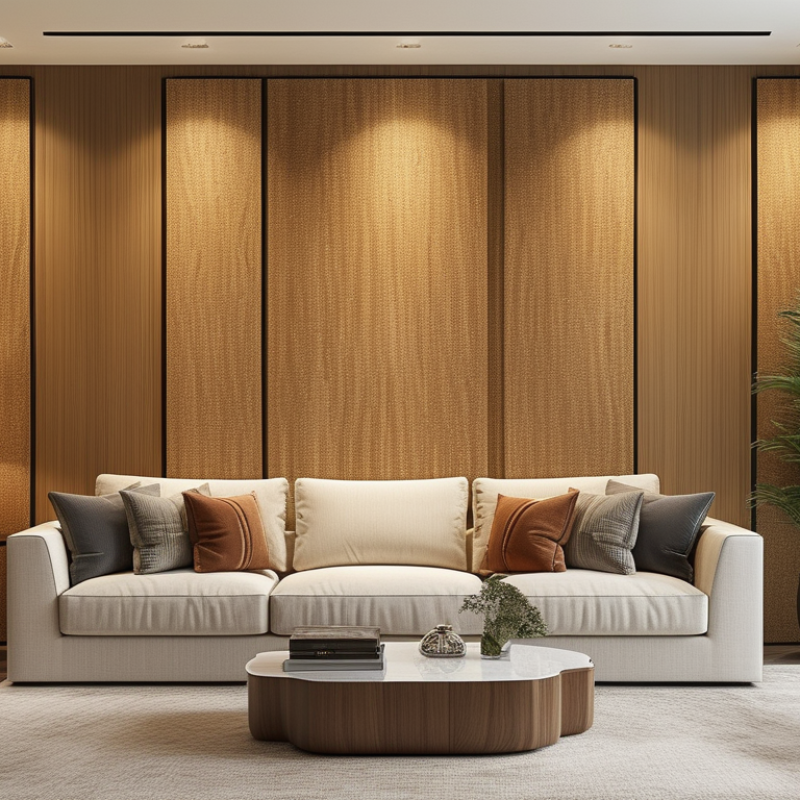
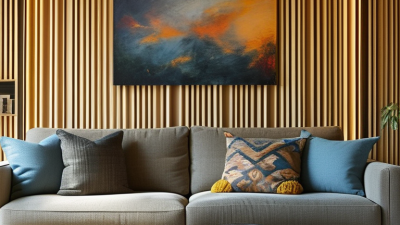
Choosing the right panels can feel overwhelming. The market offers a plethora of designs, materials, and sizes. Each option affects the acoustics of your space. For instance, wood panels create warmth, while fabric options offer a softer look. Think about the atmosphere you want to achieve.
Reflecting on your space is essential. Will the panels blend seamlessly or stand out? Involving an expert can help navigate these choices. However, personal taste should also guide your decision. Decorative acoustic panels can transform a room, making it uniquely yours.
Identifying Your Acoustic Needs and Goals for Decoration
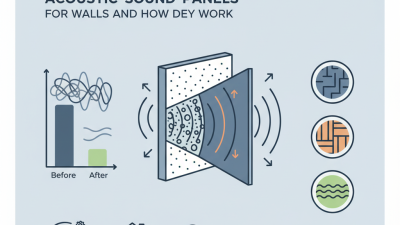
When choosing decorative acoustic panels, it’s crucial to identify your acoustic needs. Understanding the fundamental sound characteristics of your space is essential. For instance, research from the National Institute of Standards and Technology (NIST) shows that sound absorption can improve speech intelligibility by up to 70% in settings like offices or meeting rooms. Assessing how sound travels within your area is pivotal. Consider conducting a sound analysis. This will help you measure reverberation time and pinpoint problematic frequencies.
Your decoration goals also play a significant role in selecting panels. Data from the Acoustical Society of America indicates that aesthetically pleasing environments can enhance productivity and mood. For instance, incorporating color and texture can make a stark workspace feel inviting. Think about the overall design and how the panels complement it. Aiming for a balance between functionality and visual appeal can enhance both acoustic performance and interior aesthetics.
However, not all panels work for every space. Sometimes materials that absorb sound well may not align with your design vision. Evaluating different options and their impact on both acoustics and decor can be challenging. It requires a thoughtful approach to ensure that both goals are met without compromise.
Evaluating Different Types of Decorative Acoustic Panels
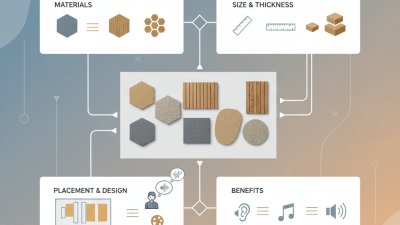
When choosing decorative acoustic panels, it's crucial to evaluate the different types available. Various materials significantly influence the sound absorption properties of these panels. For instance, wood fiber panels often offer good sound absorption while adding a natural aesthetic. However, they may not perform as effectively in very large spaces. In contrast, fabric-wrapped panels provide versatile design options but might require more maintenance over time.
Industry data suggests that spaces with high ceilings can benefit from high-density acoustic panels. According to a report by the Acoustical Society of America, proper panel placement can reduce noise levels by up to 30%. It's essential to consider both the acoustic performance and the visual appeal. A panel that looks great might not perform well in sound absorption.
Reflecting on the functionality of these panels is critical. Some homeowners rush into choices based on appearance alone. While getting the right texture or color can enhance a room, it shouldn't overshadow the primary purpose of reducing sound reflection. Understanding the balance between aesthetics and acoustic efficiency is vital for creating the desired environment.
How to Choose the Best Decorative Acoustic Panels for Your Space?
| Type of Panel |
Material |
Sound Absorption Rating |
Design Options |
Ideal For |
| Fabric Wrapped Panels |
High-density fiberglass |
NRC 0.85 |
Custom fabrics and colors |
Studios, offices |
| Wood Panels |
Natural wood veneer |
NRC 0.60 |
Sleek, modern designs |
Restaurants, lobbies |
| 3D Wall Panels |
Polyester fiber |
NRC 0.75 |
Intricate patterns |
Home theaters, creative spaces |
| Ceiling Tiles |
Acoustic foam |
NRC 0.70 |
Various finishes |
Commercial spaces, classrooms |
| Baffles |
Mineral wool |
NRC 0.90 |
Vertical alignment |
Gyms, auditoriums |
Assessing Material Choices and Their Aesthetic Qualities
Choosing the right materials for decorative acoustic panels can significantly impact your space's ambiance and sound quality.
Wood, fabric, and foam are popular choices, each offering unique aesthetic qualities.
Wood panels exude warmth and elegance, making them suitable for cozy environments.
Fabric-covered panels can introduce vibrant colors and textures, enhancing visual appeal.
Foam panels are lightweight and versatile, perfect for modern decor.
When assessing these materials, consider their texture and finish. Smooth surfaces can create a contemporary look, while textured fabrics add depth. Reflective surfaces might enhance light, but can also cause glare. Look for options that harmonize with your existing decor. It’s essential to reflect on how each material complements your style.
Not every material works in every setting. Some wood finishes may clash with minimalist decor, while bold fabric prints might overwhelm a subtle space.
Take time to visualize how each option will transform your environment. Room acoustics should also play a role in your decision. Remember, balance and harmony are key. A thoughtful selection can turn practical solutions into striking design elements.
Considering Colors, Patterns, and Textures for Your Space
Choosing the right colors, patterns, and textures for decorative acoustic panels can transform your space. Start by evaluating the mood you want to create. Warm colors like terracotta or mustard can evoke comfort. Cool tones, like blue or green, promote calmness. Think about how the color palette interacts with your existing décor. It should complement the overall design while addressing sound absorption needs.
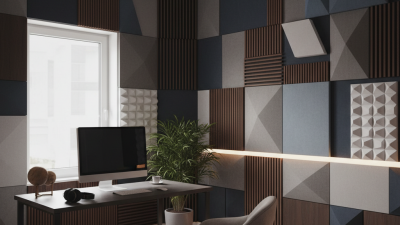
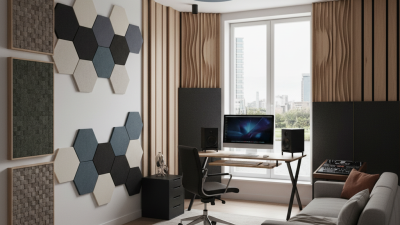
Patterns add personality. Geometric shapes can create a modern vibe, while organic designs feel more inviting. When selecting patterns, consider the scale. A large pattern can dominate a small space, making it feel cluttered. Smaller patterns might get lost in larger rooms or walls. Take time to visualize how different designs resonate with the room’s theme.
Textures play a crucial role too. Smooth finishes reflect sound, while textured surfaces absorb it. Combining both can create a balanced acoustic environment. Experimenting is key. A mix of materials can lead to a unique atmosphere. The challenge lies in ensuring that the overall aesthetic supports sound functioning without overwhelming the senses. Remember, the goal is not just style, but a space that feels right.
Understanding Installation Options and Maintenance Requirements
When selecting decorative acoustic panels, understanding installation options is crucial. Some panels allow for easy DIY installation, while others may require professional help. The choice impacts both costs and effectiveness. According to the Acoustical Society of America, proper installation can improve sound absorption by up to 30%. This means that taking the time to ensure panels are placed correctly is essential for achieving desired results.
Maintenance requirements also deserve attention. Most panels are designed to be low maintenance but can accumulate dust and allergens over time. Regular cleaning can enhance their performance and longevity. The Journal of Building Acoustics suggests that cleaning panels quarterly can maintain their acoustic properties effectively. Additionally, some materials are more resistant to stains and damage, which can save time and effort in the long run. Choosing the right material not only influences aesthetics but also the frequency of maintenance needed. This balance is key in ensuring that the panels remain functional and visually appealing.