What Are the 10 Best Sound Proofing Materials?
A quiet room is not created by one miracle product. It begins with a clear question: where is the noise coming from, and how is it entering? A bass note vibrating through a shared wall needs a different approach from voices passing through a hollow door. Even a small gap beneath that door can matter. The details are easy to miss.
Acoustics researcher Dr. Lily M. Wang’s work offers a useful guiding principle: “Match the treatment to the sound path, not just the material.” This is a paraphrase, not a verbatim quotation. It captures an important distinction. Absorbing sound inside a room can reduce echo, but it may not stop noise traveling through a wall. That difference helps explain why foam panels often disappoint when used as a substitute for insulation or a sealed barrier.
This guide examines ten commonly used sound proofing material options, including mineral wool, mass-loaded vinyl, acoustic sealant, and resilient channels. Each has a different job. Some add mass; others fill cavities, seal cracks, or reduce vibration. We’ll consider practical uses, limitations, and installation details, such as sealing edges around outlets and window frames. No material works everywhere. That is the part product labels sometimes blur. A careful choice starts with the room, the noise, and a realistic goal—not a promise of total silence.
Understanding How Soundproofing Materials Reduce Noise
Soundproofing materials reduce noise in different ways: some absorb sound, some block it, and others limit vibration or seal gaps. Mineral wool, fiberglass, cellulose, and acoustic foam absorb sound within a room or wall cavity. They can soften echoes, but they do not stop every sound from passing through a wall. That distinction matters.
Mass-loaded vinyl, extra layers of drywall, and cement board add mass, making it harder for airborne noise to travel through a partition. Resilient channels help separate drywall from framing, reducing the path vibration can follow. Laminated glass can lessen outdoor noise through a window, while door seals close small openings around a door. Small gaps can undermine heavier materials.
The right choice depends on the noise and the building. For example, voices from a neighboring room may call for sealed gaps and added wall mass; footsteps often travel through floors and framing, so surface foam alone is unlikely to help much. Installation matters, too. Poorly fitted panels leave leaks, and dense materials may need suitable structural support. A room can still transmit bass or vibration after visible gaps are sealed. Sound control is rarely perfect, which is easy to underestimate.
The 10 Best Soundproofing Materials and Their Uses
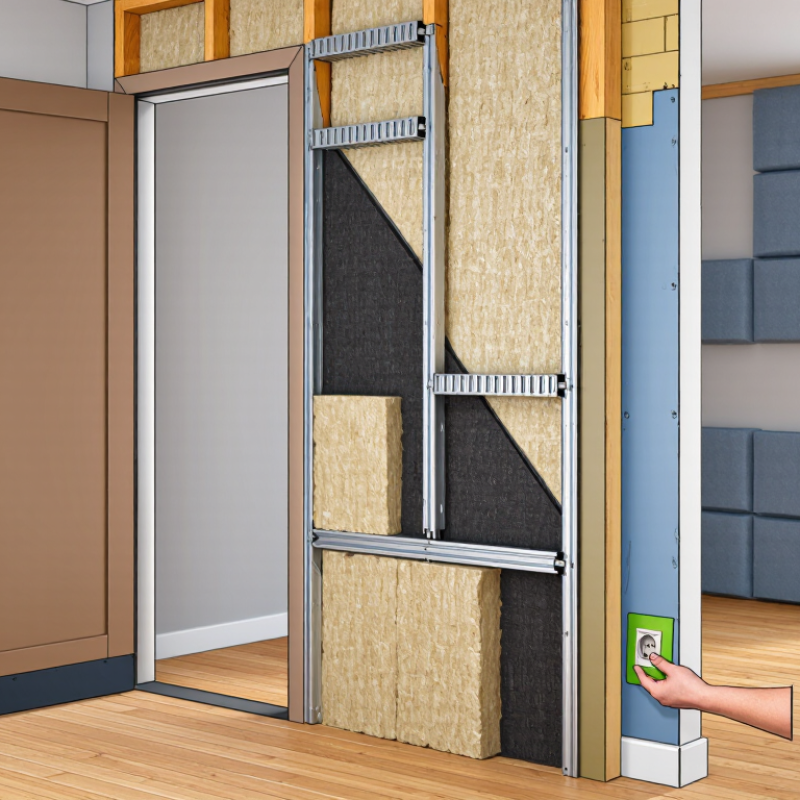
Soundproofing works best as a complete assembly, not a single magic layer. Mineral wool and fiberglass batts fit wall cavities and absorb sound inside partitions. Dense cellulose can fill irregular cavities, while mass-loaded vinyl adds flexible mass to walls or floors. Extra gypsum board increases wall mass; resilient channels help separate it from framing. Small gaps matter. Acoustic sealant closes edges around outlets, trim, and pipes, where sound can leak through.
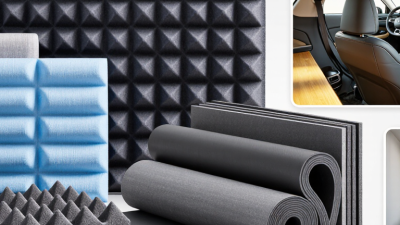
For rooms with echo, acoustic foam and fabric-wrapped panels absorb reflections, but they do little to block noise passing between rooms. Heavy curtains soften reflections near windows; laminated glass can reduce outside noise when fitted into a well-sealed frame. For floors, dense underlay beneath a finished surface can limit impact noise. Results depend on installation.
Compare test data carefully. ASTM C423 reports absorption using the Noise Reduction Coefficient, based on measurements at 250, 500, 1,000, and 2,000 Hz. ASTM E90 measures airborne sound transmission loss; ASTM E413 classifies results as Sound Transmission Class. These figures describe different things. A high absorption rating does not guarantee privacy between rooms. One imperfect but common mistake is buying foam for a noisy shared wall. I would check the full wall assembly and seal its gaps first.
What Are the 10 Best Soundproofing Materials?
Typical Noise Reduction Coefficient (NRC) ranges for common sound-absorbing materials
How to read this chart: NRC estimates how much sound a tested surface absorbs; higher values indicate greater absorption. These approximate ranges are illustrative, not guaranteed ratings—actual results depend on product, thickness, mounting, and test conditions. NRC does not measure how well a wall blocks sound.
Common uses: Mineral wool and fiberglass go inside walls or behind acoustic panels; fabric-wrapped and wood-wool panels treat rooms and studios; foam helps reduce indoor reflections; perforated panels are used on treated walls and ceilings; cellulose is used in cavities; cork, carpet, and heavy curtains can soften reflections in living spaces.
Choosing Materials for Different Noise Problems
What Are the 10 Best Sound Proofing Materials?
Choosing Materials for Different Noise Problems
The right material depends on what you hear and where it enters. Voices through a shared wall are airborne noise. Footsteps from above are impact noise. A single product rarely handles both well. Start by noticing the pattern: does the sound pass through a wall, leak around a door, or vibrate through the floor?
For speech and television, dense layers such as extra drywall can help block transmission. Mineral wool or cellulose inside a wall cavity absorbs sound within the assembly, but insulation alone will not stop every voice. Seal gaps around outlets, trim, and pipes with suitable acoustic sealant. Small openings matter. A heavy door may still leak sound beneath it, so a door sweep can be a practical fix.
Footsteps call for a different approach. Resilient underlayment beneath flooring can reduce impact noise, while resilient channels can help separate drywall from framing. For traffic noise through windows, properly fitted laminated glazing may help; loose frames can undermine the improvement. Low-frequency hums are tougher, and thin acoustic foam usually does little to block them. It is tempting to buy the softest-looking material, but absorption and sound blocking are not the same. Even careful upgrades can leave a faint rumble, which can be frustrating.
Installation Factors That Affect Soundproofing Performance
Installation Factors That Affect Soundproofing Performance
Even the best soundproofing materials underperform when sound can slip around them. A 3 mm gap beneath a door, an unsealed cable hole, or a rigid screw bridging resilient channels can weaken an otherwise careful assembly. Seal perimeter joints with compatible acoustic sealant, and avoid compressing fibrous insulation; it works by trapping air, not by being packed tight. Small details matter.
The test rating also needs context. ASTM E413 derives a single-number Sound Transmission Class rating from laboratory transmission-loss measurements across 125–4,000 Hz. ASTM E336, by contrast, measures sound isolation between rooms in completed buildings, where flanking paths through ceilings, floors, and shared framing can affect results. A laboratory figure is not a field guarantee. Check the full wall or ceiling assembly, not just one product’s rating.
Installation quality is measurable. Before closing the wall, inspect every cavity for gaps, aligned electrical boxes, and hard connections between separated framing layers. Then consider an on-site test if speech privacy matters; field results can reveal paths that visual checks miss. I still find this easy to overlook: adding another heavy layer may do little when sound travels through a continuous joist or an unsealed edge. Test, inspect, and adjust the whole assembly.