How to Choose the Best Acoustic Tiles for Your Space?
Choosing the right acoustic tiles for your space can greatly enhance sound quality. With countless options available, the selection process may seem overwhelming. However, understanding the purpose and characteristics of different acoustic tiles can simplify your decision.
Acoustic tiles come in various materials, shapes, and designs. Some tiles absorb sound better than others. It's essential to consider how much soundproofing you need. For example, a home theater may require more absorption than a typical office space. You want to create a comfortable environment that meets your specific needs.
Reflections and echoes can impact how a room feels. Sometimes, people overlook these effects when designing their spaces. It’s wise to think critically about your requirements before making a final choice. Investing in quality acoustic tiles can make a significant difference in sound quality. Yet, it’s equally important to balance aesthetics and functionality.
Understanding the Importance of Acoustic Tiles in Interior Design
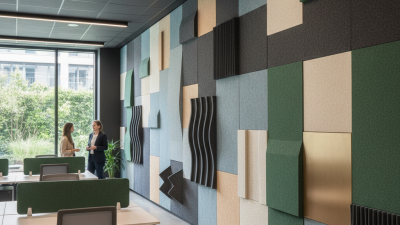
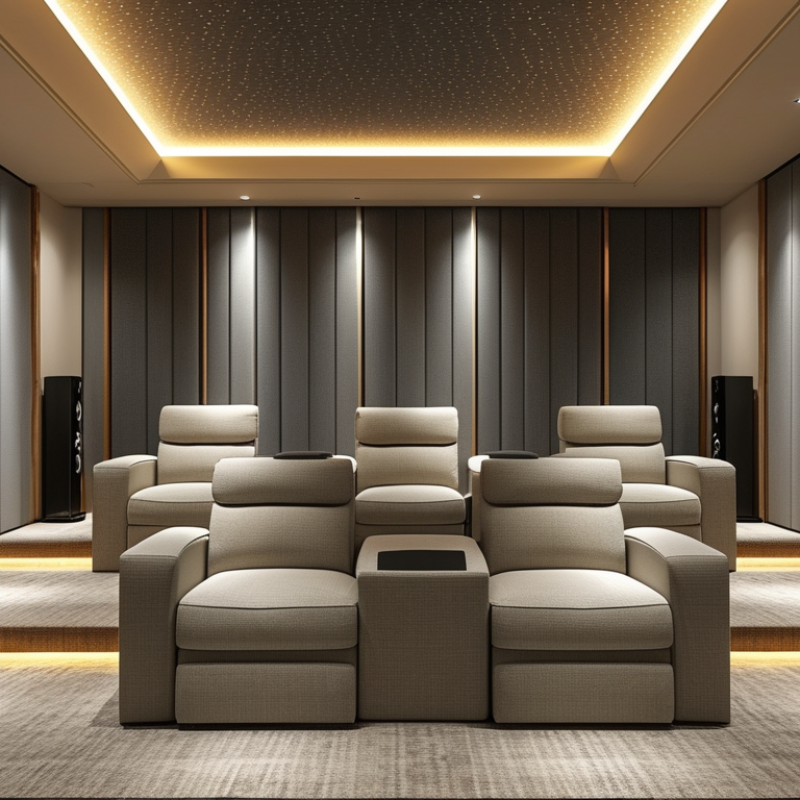
Acoustic tiles play a vital role in modern interior design. They serve practical purposes beyond just aesthetics. By absorbing sound, they minimize noise pollution and create a more serene atmosphere in any space. For offices and studios, reduced echo can enhance concentration and productivity, making acoustic tiles an essential feature.
Choosing the right acoustic tiles involves several factors. The material, thickness, and design can significantly impact their effectiveness. For instance, porous materials tend to absorb sound better. However, aesthetics should not be overlooked. Some tiles may offer unique patterns or colors that align with your design vision. Yet, balancing functionality and style can be challenging. You may find tiles that look appealing but perform poorly.
Installation is another area for reflection. While it appears easy, achieving the ideal configuration may require expertise. Incorrect placement can diminish their sound-absorbing qualities. It's essential to consider the layout of your space and seek professional advice if necessary. Ultimately, the proper use of acoustic tiles can considerably enhance your environment, but it requires thoughtful consideration and planning.
Evaluating Different Types of Acoustic Tiles for Your Needs
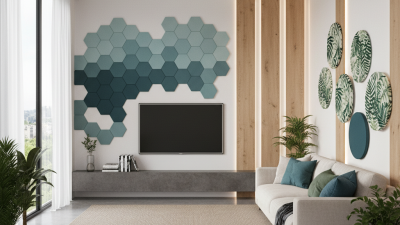
When evaluating different types of acoustic tiles, consider the material and function. Acoustic tiles come in various materials, including foam, fabric, and wood. Each type offers unique benefits. Foam tiles are lightweight and easy to install. Fabric tiles provide aesthetic appeal and improved sound absorption. Wood options add warmth and elegance to your space.
Tips: Look for tiles with high NRC ratings for optimal sound absorption. This rating indicates how effectively a material absorbs sound. Check if the tiles are easy to clean. Some materials may retain dust and allergens.
Evaluate the installation process before purchasing. Some tiles require adhesives, while others are easy to mount using clips. If you're uncertain about DIY installation, hiring a professional may ensure the best results. Measure your space and consider the layout. The arrangement you choose will impact the overall acoustic performance.
Factors to Consider When Choosing Acoustic Tiles for a Space
When choosing acoustic tiles for your space, understanding key factors is essential for effective sound management. The type of material significantly influences sound absorption. Fiberglass and foam are common options. A report by the Acoustical Society of America highlights that foam tiles can reduce noise levels by up to 50%. Acoustic tiles should also match your space's aesthetics. The color and texture impact both functionality and design synergy.
Consider room size and height. Larger spaces may require thicker tiles to achieve desired acoustics. A design with varied tile shapes can enhance sound diffusion, creating a balanced auditory environment. Natural lighting and layout should also be contemplated. Reports suggest that poorly placed tiles can lead to echoes, diminishing sound quality.
Experiment with different configurations before finalizing. This process can reveal unanticipated acoustic issues. Additionally, always check for installation guidelines. Improper installation can negate the benefits of high-quality tiles. Prioritizing these factors will guide you in making informed decisions, ensuring optimal acoustic performance in your environment.
Acoustic Tile Performance Comparison
This chart compares the Noise Reduction Coefficient (NRC) of various acoustic tiles. Choosing the right acoustic tile based on NRC can significantly impact the sound quality in your space.
How to Measure and Assess Your Space for Acoustic Tile Installation
To effectively assess your space for acoustic tile installation, start by evaluating the dimensions of the room. Measure the length, width, and height accurately. You need a precise understanding of these figures to select the right tile dimensions. A common mistake is overlooking irregular room shapes. Be diligent in noting any alcoves or recesses that may affect sound absorption.
Next, consider the room's purpose. Is it a studio, a conference room, or a home theater? The acoustic requirements will vary greatly. Reflecting surfaces, like glass or tile, can create echoes. If your space has many hard surfaces, you might need more tiles for balance. Pay close attention to furniture placement. Thicker carpets and heavy drapes can also influence sound quality.
In addition to measuring and assessing, observe the current acoustics. Speak or play music in the room. Take note of the sound reverberation. If it feels overly echoey, more tiles will be required. There may be a point where the aesthetics conflict with functionality. It’s crucial to find a balance. This process can be challenging, as your ideal sound environment may not initially align with personal taste.
How to Choose the Best Acoustic Tiles for Your Space? - How to Measure and Assess Your Space for Acoustic Tile Installation
| Dimension |
Measurement |
Tile Type |
Acoustic Rating (NRC) |
Ideal Area Use |
| Length |
20 ft |
Foam Tiles |
0.85 |
Home Recording Studio |
| Width |
15 ft |
Fabric Panels |
0.95 |
Conference Room |
| Height |
10 ft |
Wood Tiles |
0.70 |
Theater Room |
| Total Area |
300 sq ft |
Mineral Fiber Tiles |
0.80 |
Office Space |
Tips for Installation and Maintenance of Acoustic Tiles in Your Space
When installing acoustic tiles, it's essential to assess your space first. Measure the dimensions carefully. Think about the layout. Identify areas with high noise levels. Having a plan helps ensure effective sound absorption. A systematic approach is crucial during installation.
Proper maintenance extends the life of acoustic tiles. Regular cleaning prevents dust buildup. Use a gentle vacuum or a slightly damp cloth to wipe surfaces. Check for any signs of damage. Tiles can crack or peel over time. Repair or replace damaged tiles promptly to maintain optimal performance.
Consider the aesthetics of your space as well. The color and texture of the tiles can greatly influence the ambiance. While functionality is key, don’t overlook the visual impact. Balancing sound control with design will create a harmonious environment. Experiment with different styles to find what works best for you.