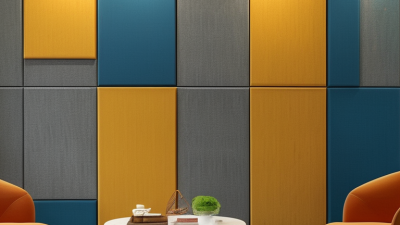
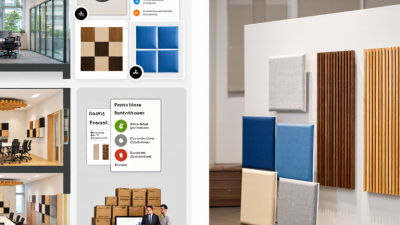
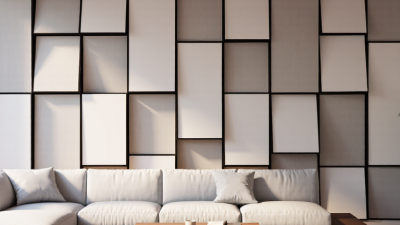
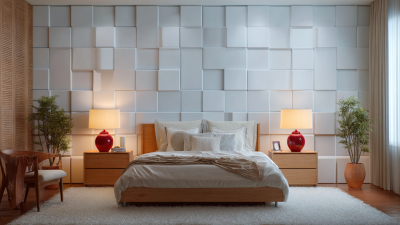
7 Best Soundproof Wall Panels for Bedroom Noise Reduction?
Bedroom noise is not merely annoying. It can interrupt deep sleep, raise nighttime stress, and make mornings feel unusually heavy. The World Health Organization’s Environmental Noise Guidelines for the European Region recommends keeping bedroom noise below 40 dB Lnight to reduce sleep-related health risks. That target explains why choosing suitable soundproof wall panels for bedroom spaces deserves more care than selecting the thickest product online.
This guide examines seven promising options for reducing voices, television sound, traffic rumble, and household echoes. However, an important distinction matters. Many wall panels absorb reflected sound inside a room; they do not completely block noise passing through walls. Effective sound isolation usually requires mass, airtight construction, decoupling, and sometimes added insulation. A decorative foam panel cannot solve every problem. Not even close.
The evaluation considers absorption ratings, construction quality, installation method, fire performance, appearance, and bedroom practicality. Products may advertise NRC values under ASTM C423 testing, while sound transmission is commonly discussed through STC ratings. These measurements describe different acoustic behaviors. Confusing them can lead to expensive disappointment.
The U.S. Environmental Protection Agency has also linked excessive noise exposure with sleep disturbance and reduced comfort. Personal experience supports that finding: a thin wall can carry a neighbor’s low voice, door slam, or bass vibration directly toward the bed. Still, room dimensions and building structure change every result. No ranking fits every bedroom. This review offers practical comparisons, but readers should verify laboratory data and installation requirements before purchasing.
Understanding Bedroom Noise and How Soundproof Wall Panels Work
Understanding Bedroom Noise and How Soundproof Wall Panels Work
Bedroom noise usually enters through thin walls, doors, windows, and ceiling gaps. Traffic creates airborne noise, while footsteps produce structure-borne vibration. Soundproof wall panels can help, but they rarely block every sound. Their main job is reducing echoes and absorbing reflected energy inside the room.
The seven most useful options include PET felt panels, acoustic foam, fabric-wrapped mineral wool, wood slat panels with acoustic backing, cork composites, mass-loaded vinyl systems, and dense gypsum acoustic boards. Soft panels improve speech and television clarity. Dense layers add mass and resist sound transmission. A professional assessment should check wall construction, gaps, panel thickness, and mounting methods. A common mistake is expecting thin decorative panels to stop deep bass. They usually cannot. Results depend heavily on installation quality.
Tips: Place absorptive panels near the bed’s opposite wall and beside major reflection points. Seal door gaps with suitable weatherstripping. Leave ventilation paths clear. Combine panels with heavy curtains and a solid-core door when possible. Test the room at night before buying materials. Listen for the loudest source. Perfect results are unlikely, and even expensive treatment may disappoint if the wall itself vibrates. Evaluate one change at a time, then adjust.
7 Best Soundproof Wall Panels for Bedroom Noise Reduction
Typical Noise Absorption Performance of Common Wall-Panel Types
Noise Reduction Coefficient (NRC) is a rounded average absorption rating from 0 to 1. Higher values generally mean less reflected sound and lower echo inside a bedroom. Actual performance depends on panel thickness, air gaps, wall construction, installation quality, and the frequency of the noise. Absorption panels improve room acoustics but do not completely block sound transmission through walls.
Key Factors for Choosing the Right Bedroom Acoustic Panel
Choosing the right bedroom acoustic panel starts with identifying the noise problem.
Soft panels absorb echoes, voices, and television sounds. They rarely block traffic or loud neighbors completely. For serious noise reduction, combine wall panels with sealed gaps, heavier curtains, and a solid-core door.
Panel thickness matters.
A 2-inch panel can reduce mid and high frequencies, while thicker panels handle lower sounds more effectively. Check the Noise Reduction Coefficient, but do not trust one number alone. Room size, wall material, and panel placement change performance. Fabric-wrapped fiberglass, mineral wool, wood slat panels, and dense foam offer different results. These are four useful options among seven common bedroom choices.
Safety deserves equal attention.
Choose panels with tested fire ratings and low chemical emissions, especially near beds. A removable cover helps with dust and cleaning. Avoid placing panels over heaters, vents, or damp walls. Mounting hardware must match the wall structure. Loose panels may rattle and create another noise.
Listen before buying.
Record the room at night, then test a small panel area near the wall shared with the noise source. Corner bass traps can help with deep sounds, though they take more space. Many buyers expect silence and feel disappointed. I would measure twice, start with limited coverage, and adjust after several nights. Even a well-designed panel can sound ineffective when the bedroom door leaks sound.
Seven Effective Soundproof Wall Panel Options for Noise Reduction
7 Best Soundproof Wall Panels for Bedroom Noise Reduction?
Seven Effective Soundproof Wall Panel Options for Noise Reduction
Bedroom noise reduction starts with a realistic expectation. Wall panels mainly absorb echoes, while true soundproofing also needs mass, airtight seals, and careful installation.
Seven useful options include:
- mineral wool panels
- fiberglass panels
- PET felt panels
- fabric-wrapped acoustic panels
- perforated wood panels
- slatted wood panels with acoustic backing
- dense composite panels
Each option performs differently. Check the panel’s tested absorption data, not only its appearance.
Mineral wool panels provide strong broadband absorption and suit bedrooms with voices or television noise.
Fiberglass works similarly but may need a sealed fabric surface.
PET felt is lightweight, clean-looking, and easy to cut.
Fabric-wrapped panels add softness and hide the core.
Perforated wood panels combine absorption with a warmer finish.
Slatted wood systems can reduce reflections when backed by acoustic material.
Dense composite panels add useful mass, although they are not a complete barrier alone.
Leave small air gaps behind absorptive panels when the installation allows it. That gap can improve low-frequency performance. Seal outlets, corners, and wall joints carefully. Sound often travels around a panel, not through it.
In practical bedroom installations, a thick panel on the noisy wall usually outperforms several thin decorative tiles. Still, results vary with wall construction and noise frequency. I would not promise silence. A bass-heavy neighbor may require added framing, insulation, and a second sealed wall layer. Measure the room before buying, because attractive panels can disappoint when placed randomly.
Step-by-Step Guide to Installing Wall Panels in a Bedroom
For bedroom noise reduction, installation matters more than appearance. Choose panels with published absorption data, not vague “soundproof” claims. ASTM C423 measures sound absorption, while ASTM E413 evaluates Sound Transmission Class. These ratings describe different problems. Absorptive panels reduce echoes; they rarely block traffic, voices, or deep bass alone.
Mark the wall and locate studs, cables, and outlets before drilling. Leave a small air gap behind each panel when possible. This space can improve low-frequency absorption. Install panels at ear height beside the bed, then add units behind the headboard and opposite reflective surfaces. Use mechanical fasteners suited to the wall material. Press each panel firmly, but do not compress soft cores. A rushed layout often leaves one bare reflection zone. I would recheck it at night, when outside noise is easier to notice. The World Health Organization recommends keeping indoor bedroom noise below 30 dB(A) for good sleep. A phone app can show trends, but it cannot replace a calibrated meter.
Tips: Seal visible gaps around doors, frames, and outlets first. Thick curtains may soften reflections, yet they will not stop bass. Record the room before installation, then compare it afterward. If footsteps remain, ceiling or floor treatment may matter more than another wall panel. The result may feel imperfect, and that is useful information.
How to Measure Noise Reduction and Improve Panel Performance
The seven strongest bedroom options include fabric-wrapped fiberglass, mineral wool, PET felt, acoustic foam, perforated wood, slatted wood, and micro-perforated panels. Each mainly absorbs reflected sound. None creates a perfect sound barrier. Thick mineral wool or fiberglass usually performs better at speech frequencies than thin foam. Slatted and perforated wood can add useful absorption, but their backing depth matters greatly.
Measure the room before buying panels. Record the sound level beside the bed, then near the noise source, using the same phone or calibrated meter. Take readings for 60 seconds during quiet, normal, and peak periods. The World Health Organization’s 2018 Environmental Noise Guidelines recommend indoor nighttime levels below 30 dB(A) for good sleep. That target is demanding. A bedroom may still feel loud after a small reduction.
Use ASTM C423 data to compare sound absorption, especially the Noise Reduction Coefficient (NRC). Use ASTM E90 laboratory ratings or ISO 16283 field testing when judging wall-to-wall sound transmission. These methods measure different problems. NRC describes absorption inside the room; STC-related testing concerns airborne transmission through assemblies. Do not treat them as interchangeable. Leave a 25–50 millimeter air gap behind rigid panels when possible. The gap can improve low-frequency absorption. Seal door edges and electrical openings too. Small leaks matter. I have seen attractive panels underperform because the door remained the weakest surface. Recheck after installation, and question any result based only on a product photograph or a single laboratory number.