Best Soundproof Wall Panels Tips for Effective Noise Reduction?
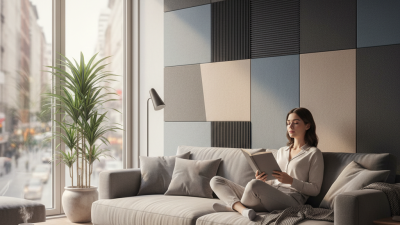
Creating an ideal living or working space often involves addressing noise issues. Effective soundproofing is essential for comfort and peace. One of the most effective solutions is soundproof wall panels. These panels help absorb and block unwanted sound, turning any room into a quieter sanctuary.
When selecting soundproof wall panels, consider materials and thickness. Not all panels offer the same level of noise reduction. Some might perform better in different environments. Understanding the specific needs of your space is crucial.
Additionally, proper installation plays a vital role. Misalignment or poor placement can lead to inefficiency. Without expert guidance, it’s easy to make mistakes in the soundproofing process. It’s important to learn and reflect on the installation techniques for best results. In this guide, we will explore tips and insights for choosing the right soundproof wall panels effectively.
Understanding Soundproof Wall Panels and Their Functionality
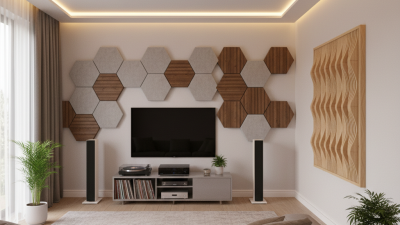
When aiming for effective noise reduction, understanding soundproof wall panels is essential. These panels serve to dampen sound waves, minimizing their transmission from one room to another. Constructed from various materials, they can absorb or reflect sound depending on their design. Fiberglass, foam, and wood are common choices, each offering unique properties. For example, foam panels are lightweight and easy to install, whereas wood panels provide a more aesthetic option while still being effective.
Proper installation of these panels can transform acoustic environments. A well-planned arrangement maximizes their efficacy. Even slight misalignments can lead to gaps where sound can seep through. It is crucial to consider the wall surface, as irregularities can affect panel performance. Additionally, the choice of panel thickness plays a significant role in sound absorption. Thicker panels will typically absorb lower frequencies better, while thinner ones may only address higher pitches.
However, expectations must be realistic. Soundproofing is about reducing noise, not completely eliminating it. Factors such as room layout and furniture placement also influence acoustics. Panels can create a quieter space, but they work best as part of a comprehensive approach. Regular assessment of their effectiveness is advisable, as changing conditions may necessitate adjustments in wall panels or even additional treatments.
Best Soundproof Wall Panels for Effective Noise Reduction
Types of Soundproof Wall Panels: Materials and Designs Explained
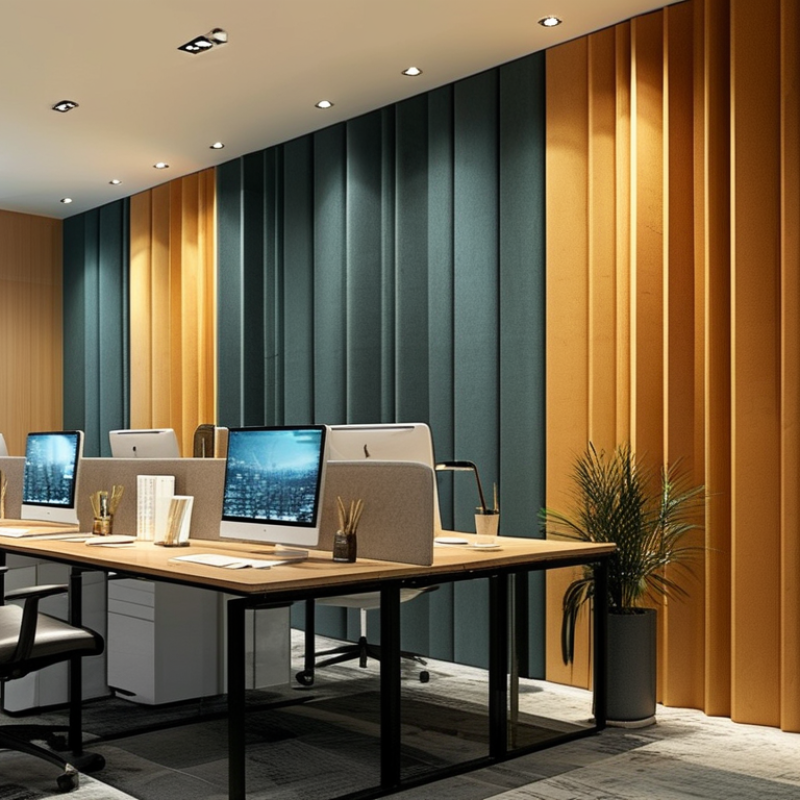
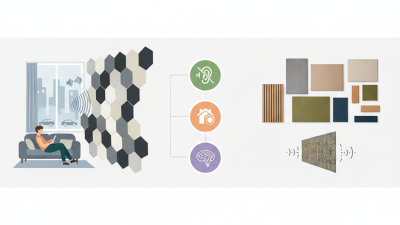
When choosing soundproof wall panels, understanding materials and designs is essential. Acoustic panels are typically made from foam, fabric, or fiberglass. Foam panels absorb sound waves and are lightweight, making them easy to install. Fabric panels provide a stylish touch while effectively reducing noise. Fiberglass panels are more durable and ideal for professional settings but can be heavier.
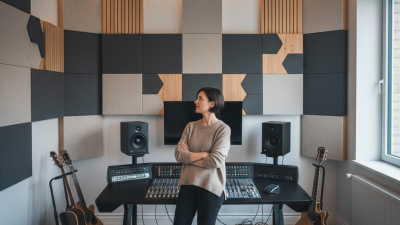
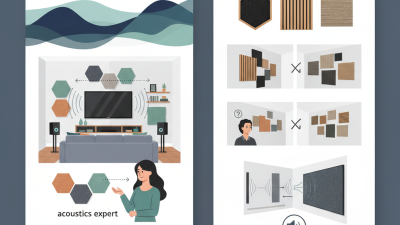
To maximize effectiveness, consider the room's size and acoustics. A larger space may require more panels to achieve desired results. Pay attention to placement; panels should cover bare walls and corners. Odd angles can create unwanted echoes, so strategic positioning is crucial. Mixing materials can create a more dynamic look and enhance sound absorption.
A few practical tips can greatly improve your soundproofing efforts. Always test different configurations before finalizing the layout. This helps identify which setups work best. Experimenting with colors and textures can also impact sound absorption and aesthetics. Don't hesitate to reach out to experts for advice based on your specific needs and space. Reliable information can help you make informed decisions for a quieter home or office environment.
Factors to Consider When Choosing Soundproof Wall Panels
When selecting soundproof wall panels, consider the material. Different materials offer varying levels of sound absorption. According to industry reports, fiberglass panels can reduce noise by up to 70%. Foam panels, while less effective, are lighter and easier to install. Understanding these distinctions is crucial for achieving optimal results.
Another important factor is the density of the panels. High-density panels provide superior soundproofing capabilities. Research shows that thicker panels can block more sound. Moreover, installation methods also matter. Panels tightly fitted on walls yield better performance. Gaps or loose fittings allow sound leakage, diminishing their effectiveness.
Listening to user experiences can be insightful. Some found that aesthetically pleasing designs motivate them to improve their spaces. Others emphasize that proper placement enhances performance. Experimenting with different arrangements can lead to unexpected outcomes. Adapting to your environment is key; what works in one space may not work in another. Balancing sound quality and style can be an interesting challenge.
Installation Tips for Maximizing Noise Reduction Effectiveness
When installing soundproof wall panels, placement is crucial. An effective strategy involves identifying sound sources. Common areas include walls adjacent to busy streets or highly trafficked rooms. According to the Acoustical Society of America, sound travels more efficiently through hard surfaces. Hence, understanding wall material can enhance your results.
Optimal panel placement often follows the 1/3 rule. This involves spacing panels evenly across the wall's surface. Also, consider the height of the panels. Ideally, they should be at ear level when seated. Research from the National Center for Physical Acoustics highlights that uneven panel distribution can reduce overall noise absorption by up to 30%.
Another aspect to reflect on is the choice of panels. Not all materials are equal. Foam panels are a common choice, but dense materials tend to perform better. A study by the Environmental Protection Agency shows that high-density panels can lower noise levels by 50%. This statistic reminds us that costs and efficiency should be balanced during selection. Remember, the ultimate goal is a quieter environment, and small adjustments can lead to significant improvements.
Maintenance and Care for Optimal Performance of Sound Panels
Maintaining soundproof wall panels is crucial for their effectiveness. Regular care can greatly enhance their longevity and acoustic performance. Experts recommend cleaning panels with a soft, damp cloth to prevent dust accumulation. Dust can effectively diminish their noise reduction capabilities. A study by the Acoustical Society of America shows that dirty sound panels can lose up to 24% of their efficiency over time.
For optimal performance, consider the placement of your panels. Ensuring they cover reflective surfaces can make a significant difference. One effective strategy is to position panels at first reflection points. These locations are where sound bounces off walls. Placing them here can noticeably reduce echo and improve sound clarity.
Moreover, don’t overlook the importance of environmental factors. High humidity and extreme temperature fluctuations can affect the material structure. A report from the Institute of Noise Control Engineering recommends maintaining stable conditions. This might involve using a dehumidifier or avoiding direct sunlight. Regularly inspect for signs of wear, such as sagging or discoloration. Taking these steps can help maximize the effectiveness of your soundproof wall panels.