10 Tips for Choosing Decorative Sound Panels for Your Space?
When designing a functional space, choosing the right decorative sound panels is crucial. John Anderson, an industry expert from Acoustic Innovations, once stated, "The right sound panels can transform both the acoustics and aesthetics of a room." Decorative sound panels not only enhance sound quality but also add a unique design element to your environment.
Incorporating these panels offers both practical benefits and visual appeal. They can be used in various settings, from home theaters to open offices. However, selecting the right style and material can be challenging. There are numerous options available, and each can significantly affect the room's atmosphere.
Understanding how these panels work with your décor is essential. Consider the colors, textures, and shapes that fit your space. Don't be afraid to experiment. It’s an opportunity to reflect your style while improving sound quality. Finding a balance between function and design may require some trial and error, but the end result is worth the effort.
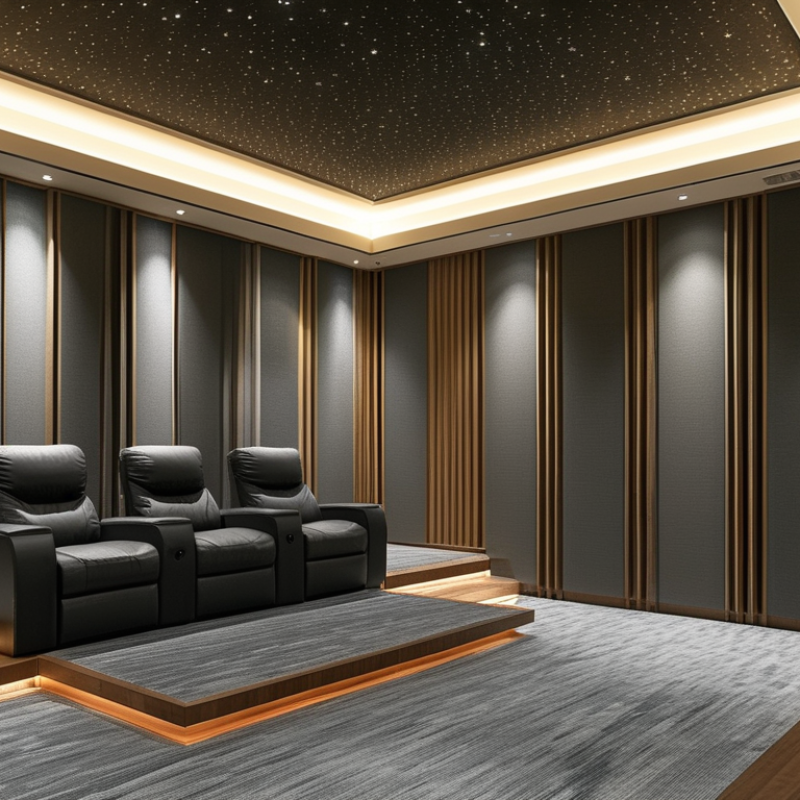
Understanding the Purpose of Decorative Sound Panels in Your Space
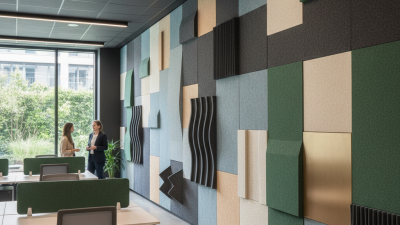
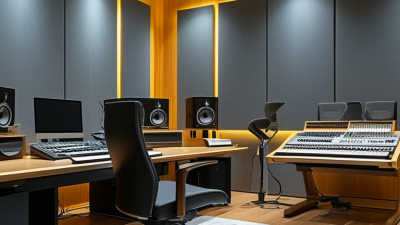
Decorative sound panels serve a significant purpose in modern spaces. They help manage noise levels and improve acoustics. By absorbing sound, these panels create a more pleasant environment for conversation and relaxation. Spaces like offices, homes, and restaurants benefit from enhanced sound quality.
Choosing the right sound panels involves understanding your specific needs. Do you want to reduce echo in a large room? Or perhaps you aim to create a cozy atmosphere in a small space? Look for panels that align with your aesthetic preferences while serving their acoustic function. A variety of colors, shapes, and textures are available, allowing you to reflect your personal style.
However, not every design is suitable for every area. A too-busy pattern can overwhelm the space. Conversely, overly plain panels may fail to enhance the decor. It’s crucial to strike a balance. Seeking professional advice may help in making an informed choice. The right decorative panels elevate both function and style, creating harmony in any environment.
Evaluating Different Materials for Sound Absorption and Aesthetics
When selecting decorative sound panels, understanding the materials is crucial. Different substances play unique roles in sound absorption. For instance, foam panels are lightweight and effective against echoes. Wood panels, on the other hand, add warmth to a room, but they may not absorb sound as well. Fabric-wrapped panels can also be a smart choice, as they balance aesthetics and functionality.
Choosing the right material is about both sound performance and visual appeal. Consider how the surface texture interacts with light. A smooth finish may look modern, while a textured surface can create depth. However, some materials, like heavy fabrics, may require more maintenance. They can attract dust and might show wear over time. It's essential to weigh durability against aesthetic qualities. Experimenting with various color and pattern options can yield surprising results. Your selections should reflect your style while also serving practical sound absorption needs.
10 Tips for Choosing Decorative Sound Panels for Your Space
| Tip |
Material |
Sound Absorption Rating (NRC) |
Aesthetic Appeal |
Durability |
| 1. Consider the room size |
Fabric-wrapped fiberglass |
0.90 |
High - available in various colors |
High |
| 2. Match with interior design |
Wood panels |
0.70 |
Moderate - warm aesthetic |
Very High |
| 3. Evaluate the absorption |
Foam panels |
0.80 |
Low - limited design options |
Moderate |
| 4. Look for eco-friendly options |
Recycled materials |
0.75 |
High - unique textures |
Moderate |
| 5. Check installation methods |
Acoustic panels with adhesive |
0.85 |
Moderate - customizable |
High |
| 6. Analyze maintenance needs |
PVC panels |
0.60 |
Low - limited design appeal |
High |
| 7. Decide on size and shape |
Custom-cut panels |
0.90 |
High - tailored fit |
Variable |
| 8. Consider acoustic performance |
Mineral wool panels |
0.95 |
Moderate - can be painted |
Very High |
| 9. Research soundproofing benefits |
Cork panels |
0.85 |
High - natural look |
High |
| 10. Factor in budget constraints |
Economical foam bricks |
0.75 |
Low - functional |
Moderate |
Choosing the Right Size and Shape to Fit Your Room's Layout
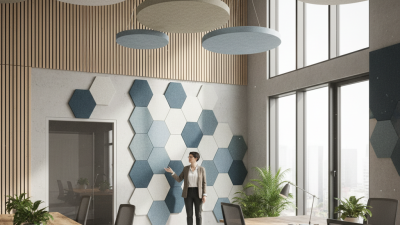
When selecting decorative sound panels, size and shape play crucial roles in enhancing your space. First, consider the dimensions of your room. A small area may feel crowded with large panels. Instead, opt for smaller, strategically placed pieces that blend seamlessly. This approach creates balance and maintains an airy feel.
Think about the room's layout too. Rectangular panels suit elongated spaces, while square ones complement compact areas. Experiment with various arrangements. Sometimes, an unconventional layout can bring a fresh aesthetic. A well-thought-out design enhances both acoustics and visual appeal. Transparency in choices can inspire new ideas.
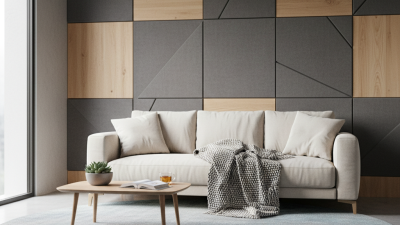
Remember the material as well. Acoustic panels come in different textures and finishes. Some materials may overpower the design. Others may appear too delicate. Take time to see how these features interact with your existing decor. Be open to revisiting your choices until it aligns perfectly with your vision. The right combination can transform your environment remarkably.
Selecting Colors and Patterns that Complement Your Decor Style
Choosing decorative sound panels can enhance your space while improving acoustics. When selecting colors and patterns, consider the room's overall style. A modern space might benefit from geometric designs in bold colors. For a more traditional room, softer hues and floral patterns could be more suitable. Think about how these choices will affect the ambiance.
Balance is vital. A vibrant panel might clash with muted decor. You could ask yourself if the panel complements or distracts. Sometimes, the contrast can create a striking focus. Mixing textures and colors can also spark interest. However, be cautious not to overwhelm the senses. Subtle patterns can also add depth without dominating the room.
Reflect on personal preferences. Choose shades that evoke the mood you desire. You might favor calming blues or energizing yellows. Your choice doesn't need to be perfect; it should resonate with you. Each decision shapes the space's character. Consider how these elements will come together over time. Ultimately, the right panels can transform your environment significantly.
Decorative Sound Panels Color and Pattern Preferences
Considering Budget and Installation Options for Sound Panels
When choosing decorative sound panels, budget and installation options are crucial factors. Soundproofing is not a one-size-fits-all solution. According to a report by the Acoustical Society of America, effective soundproofing can reduce noise levels by up to 30 decibels in optimal conditions. This indicates that investing wisely can significantly enhance your space.
Start by evaluating your budget. The cost of sound panels varies widely, depending on material, design, and installation. For example, high-quality fabric-covered panels may cost more up front but offer better durability and aesthetics over time. On average, professional installation can range from $50 to $150 per panel, depending on the complexity of the job. If you're inclined to save, consider DIY projects. However, improper installation can diminish soundproofing effectiveness.
Think about installation options as well. Some panels come with simple adhesive backing, while others require more intricate mounting systems. This selection affects both time and effort. Remember that any mistake in installation might lead to an incomplete soundproofing effect. Researching best practices in panel placement could save you from potential pitfalls. Testing and adjusting your setup after installation might also lead to unforeseen improvements.