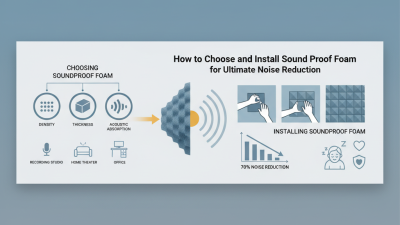
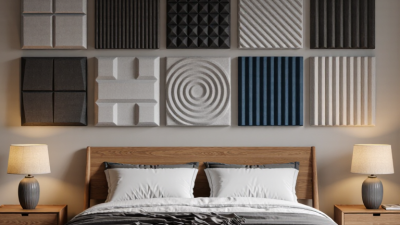
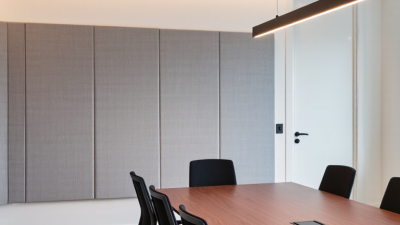
What Are the Best Sound Deadening Panels in 2026?

Noise can make a home office feel tiring, muddy a podcast recording, or carry footsteps through a shared wall. That is why shoppers comparing sound deadening panels in 2026 should look beyond color and price. The right choice depends on the problem: echo inside a room is different from noise passing through a wall.

Sound consultant Julian Treasure has warned, “We are losing our listening.” His reminder points to something easy to overlook: everyday noise shapes how well we work, rest, and communicate. But no panel is a universal fix. Foam may reduce reflections, while heavier, well-sealed construction is usually needed to limit sound traveling between spaces. Product claims deserve a careful look.

This guide compares panel materials, thicknesses, installation needs, and practical performance. It also considers room size, placement, and whether a renter can install panels without permanent changes. A small test area can reveal more than a polished product photo. Sometimes, the result is less dramatic than expected.

We’ll separate useful specifications from vague promises and explain which options suit home studios, offices, and living spaces. The aim is not to declare one panel “best” for everyone. It is to help readers choose based on the noise they hear, the space they have, and the improvement they realistically need.
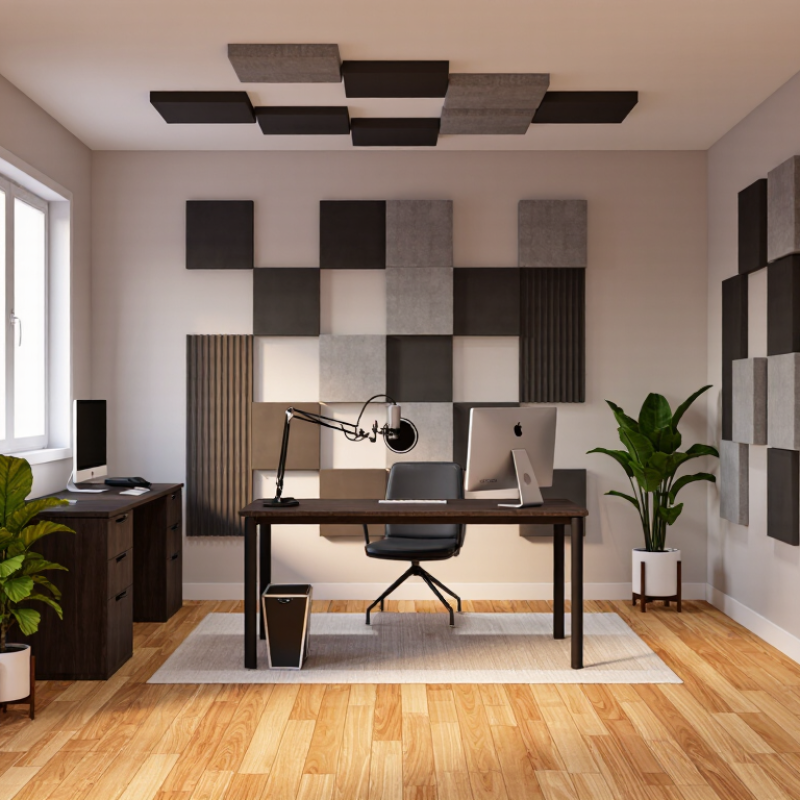
What Are the Best Sound Deadening Panels in 2026?

What Sound Deadening Panels Are and How They Reduce Noise

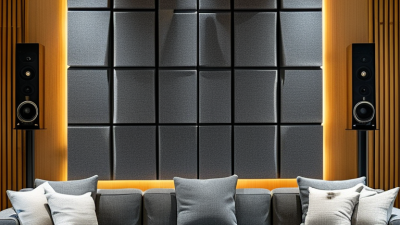
Sound-deadening panels are materials fitted to walls or ceilings to control noise inside a room. Many are porous, with fibers or open-cell foam that slow moving air particles. As sound enters the material, some energy becomes a small amount of heat through friction. The result is less reflected sound and a shorter, clearer echo. That distinction matters.

A panel near a bare wall can soften sharp reflections from speech, clapping, or a television. In a home office, placing panels at the first reflection points can make video calls sound less hollow. Results vary. Room shape, panel thickness, and coverage all matter; covering every wall is rarely necessary and may make a room feel unnaturally dull. Hard floors and windows can still reflect sound, even after wall treatment.

These panels mainly improve sound within a space. They usually do not block much noise traveling through walls, doors, or floors; that requires addressing gaps, mass, and construction. A thin decorative panel may quiet an echo but do little against traffic outside. Check the material’s documented absorption performance and intended use before buying. A small listening test after installation can reveal missed reflections, though one person’s judgment is not a precise measurement.

How to Compare Panel Materials, Performance, and Safety

The best sound-deadening panel depends on whether you need less echo inside a room or less sound passing through a wall. These are different problems. ASTM C423 measures sound absorption; its Noise Reduction Coefficient, or NRC, averages results at 250, 500, 1,000, and 2,000 Hz. A higher NRC can mean less reflected sound, but it does not prove that a panel blocks noise between rooms. For that, compare assembly-level Sound Transmission Class data, tested under ASTM E90. Check the test method, not just a headline rating.

Tips: Ask for test results for the full wall or ceiling assembly. Check flame-spread and smoke-development data, too. ASTM E84 tests surface burning, but it does not certify every aspect of fire safety.

Material choice matters. Mineral-fiber, polyester, and foam panels can differ in absorption, moisture response, durability, and fire performance; compare the exact product’s documentation. NIOSH’s 1998 Criteria for a Recommended Standard: Occupational Noise Exposure recommends limiting workplace exposure to 85 dBA over eight hours, using a 3 dB exchange rate. That figure is not a panel rating, and panels alone may not make a noisy space safe. A weak spot remains: installation gaps and untreated doors can undermine otherwise strong results. Check edges, seams, and the actual room conditions before choosing.

Which Panel Types Suit Different Noise-Control Needs

The best sound-deadening panel depends on the noise you want to control. For echo in a home office or dining room, porous fabric-wrapped panels filled with mineral wool or fiberglass can absorb speech frequencies. Place them near reflective walls, where a sharp clap currently rings. They improve room clarity, but they do not stop much sound passing through a wall. Foam panels can soften some reflections, though thin foam is weak against traffic or a neighbour’s television.

Tips: For low, boomy notes, choose thicker panels or corner bass traps; bass waves need more depth. To reduce sound passing between rooms, look for a complete wall system with added mass and sealed gaps, not just a decorative panel. Check installation details before buying.

Measure the room and note when the problem occurs. A bare wall behind a desk calls for a different solution than rumbling from a shared wall. Panels work best as part of a plan that may include rugs, door seals, or heavier construction. I’ve found that people sometimes expect one panel to fix everything; that expectation is easy to have, but rarely realistic. Treat product ratings as useful comparisons, not a promise of silence.

What Are the Best Sound Deadening Panels in 2026? — Which Panel Types Suit Different Noise-Control Needs

The right panel depends on whether the goal is to absorb room echo, reduce vibration, or limit sound passing through a wall. These materials work in different ways and are not interchangeable.

Panel or Material Type How It Controls Noise Best Suited To Typical Performance Indicator Key Advantages Limitations and Installation Notes
Fiberglass or mineral-wool acoustic panels Porous fibers absorb sound energy, helping reduce reflections and reverberation inside a room. Studios, offices, classrooms, home theaters, and other echo-prone rooms. Many tested panels fall roughly within NRC 0.7–1.0; the exact rating depends on thickness, facing, mounting, and test method. Strong broad-frequency room absorption; available in a range of thicknesses and finishes. They reduce room echo but do not, by themselves, soundproof a wall. Install securely and follow the product’s facing and exposure guidance.
Acoustic foam panels Open-cell foam absorbs some reflected sound, particularly in the mid and high frequencies. Small recording or practice spaces where reducing flutter echo and sharp reflections is the priority. NRC varies widely by foam profile, thickness, and test setup; check the rating for the specific panel rather than relying on appearance. Lightweight, easy to cut, and simple to attach to suitable surfaces. Thin foam has limited low-frequency absorption and provides little sound isolation. Check fire-safety documentation before installation.
Polyester (PET) acoustic panels Porous polyester fibers absorb reflected sound and reduce reverberation. Offices, meeting rooms, schools, and interiors where a lightweight or fiber-based finish is preferred. Absorption varies with thickness and mounting; use the manufacturer’s tested NRC or frequency-band data for comparison. Lightweight, available in colors and shapes, and often suitable for wall or ceiling applications. Performance depends on panel depth and any air gap behind it. It is an absorption treatment, not a substitute for a sealed, insulated wall assembly.
Perforated wood panels with an absorptive backing Perforations allow sound to reach an absorptive layer behind the decorative panel. Multipurpose rooms, offices, halls, and interiors that need acoustic treatment with a finished architectural surface. Performance depends on the perforation pattern, backing material, cavity depth, and tested assembly; consult frequency-band test results. Combines a durable, finished surface with sound absorption when correctly designed and installed. The wood facing alone is not an absorber. Panel spacing, backing, and edge details affect performance.
Mass-loaded vinyl (MLV) barrier Adds mass to an assembly, helping reduce airborne sound transmission when installed as part of a complete barrier system. Walls, ceilings, or enclosures where added sound isolation is needed and construction details allow a flexible barrier layer. There is no useful stand-alone NRC value for its blocking role; judge performance by tested wall or ceiling assembly data. Flexible and relatively thin for the mass it adds; can be incorporated into some layered assemblies. It does not absorb room echo. Seams, penetrations, flanking paths, and installation quality can undermine isolation; it may require concealed fixing.
Butyl-rubber vibration-damping sheets When bonded to a vibrating surface, a viscoelastic layer dissipates some vibration energy and reduces panel resonance. Vehicle doors, floors, trunks, appliance panels, and lightweight metal surfaces that buzz or resonate. There is no standard NRC rating for vibration damping; evaluate the intended substrate, coverage, and damping data. Targets structure-borne vibration and panel rattle without needing to cover an entire surface in many applications. It is not a room-echo absorber or a complete soundproofing solution. Clean the surface and follow temperature, coverage, and application instructions.
Composite acoustic panels Combine layers—for example, an absorptive face with a barrier or damping layer—to address more than one noise pathway. Projects with mixed goals, such as reducing reflections while also improving a partition or enclosure. Performance is assembly-specific; compare tested absorption and sound-transmission data for the complete panel system. Can combine absorption, damping, and barrier functions in a coordinated construction. “Composite” does not guarantee a particular result. Check which noise-control functions are tested and whether the assembly suits the installation.

Selection note: NRC describes sound absorption, not how much sound a wall blocks. For room echo, compare tested absorption data; for sound passing between spaces, look for data on the complete wall or ceiling assembly; for rattling panels, choose a damping treatment designed for the vibrating surface. Results vary with thickness, mounting, gaps, and installation.

How to Choose the Best Panels for Your Space in 2026

Choosing the best sound deadening panels starts with identifying the noise problem. Panels made from porous materials absorb echoes inside a room; they usually do not block traffic or loud neighbors by themselves. For those problems, gaps, doors, windows, and wall construction may matter more. Know what you need.

Measure the room and note where sound reflects, such as a bare wall behind a desk or a ceiling above a dining table. Thicker panels often absorb more lower-frequency sound, but placement and total coverage also affect results. Check published absorption data, such as an NRC rating, while remembering that ratings do not guarantee the same performance in every room. Small gaps matter. Choose materials suited to the space: a busy classroom may need durable, cleanable surfaces, while a home office may prioritize appearance and easy installation. Check fire-safety information and mounting requirements before buying. A panel that looks ideal online may feel too bulky once installed, and that is easy to underestimate. If possible, test a small area first, then listen from the seats or workstations where people actually spend time.

How to Install and Maintain Sound Deadening Panels

Installing sound-deadening panels well starts with choosing the right surface and treatment. Panels that absorb echoes work differently from materials designed to reduce vibration, so check the product’s intended use. Measure the room and mark areas where sound reflects, such as the wall opposite a speaker. Clean those spots with a dry or lightly damp cloth, then let them dry fully. Dust weakens adhesion. Small gaps matter.

Before attaching anything, check for loose paint, damp patches, vents, and electrical fittings. Follow the panel maker’s instructions for adhesive, fasteners, and spacing; test one panel first if the wall finish is delicate. Cut panels on a stable surface, using suitable eye protection when the material calls for it. Keep airflow and access points clear. Covering every wall is rarely necessary, and it can make a room feel oddly lifeless. I’d reassess after a few panels rather than trust a perfect-looking diagram.

Maintenance is simple but worth doing. Vacuum fabric surfaces gently with a brush attachment, and wipe washable finishes as directed. Inspect edges every few months, especially in warm or humid rooms. A lifting corner may need prompt repair, but don’t add adhesive until you know the surface is clean and dry. If panels smell musty, show staining, or remain damp, remove them and address the moisture source before reinstalling. Dust collects quickly.