2026 How to Achieve Effective Sound Dampening in Your Home?
Effective sound dampening is crucial for creating a peaceful home environment. Noise can disrupt daily life, affect sleep, and impact overall well-being. To address these challenges, homeowners need practical solutions for sound dampening. It involves using specific materials and techniques to absorb or block sound.
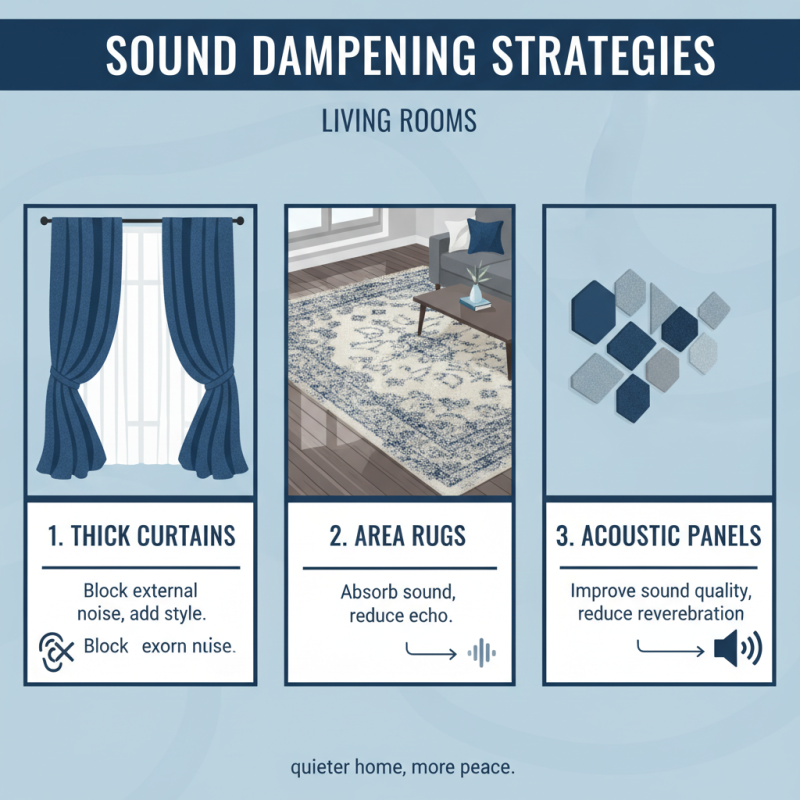
Many people underestimate the significance of sound dampening. They may not realize how it enhances comfort. For instance, thick rugs, heavy curtains, and acoustic panels can dramatically improve noise control. It is essential to choose the right materials for each room. Open floor plans often amplify sound, making targeted dampening even more necessary.
However, not all methods work for everyone. Some may find certain solutions too costly or difficult to install. Exploring various options can lead to better results. The goal is to strike a balance between aesthetics and functionality. Thoughtful design can help create a sound-dampened sanctuary that meets individual needs.
Understanding Sound Dampening and Its Importance in Home Design
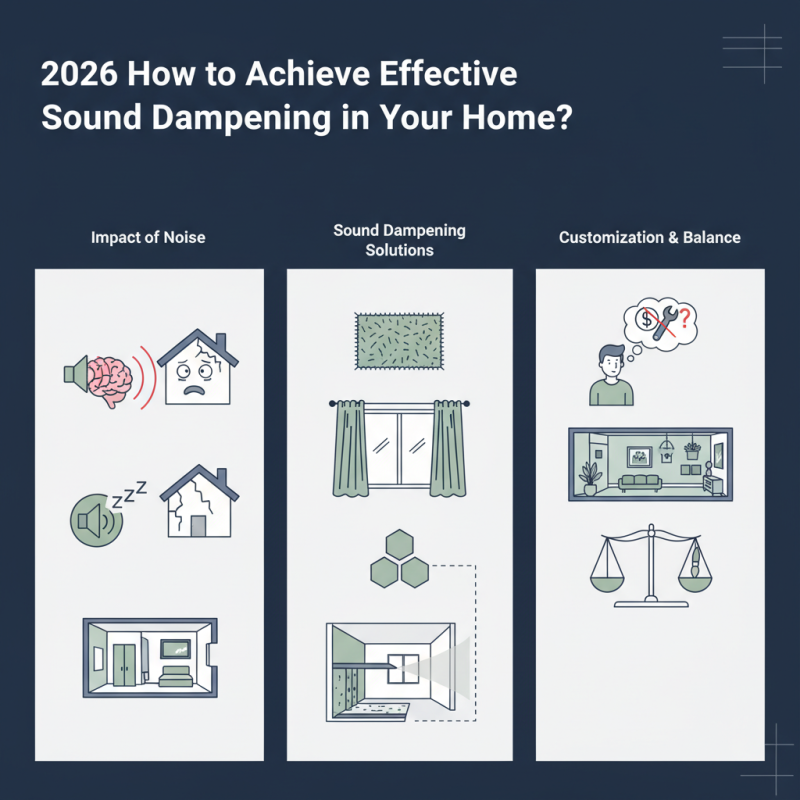
Sound dampening is crucial in home design. Effective soundproofing enhances comfort and privacy. With noise pollution on the rise, creating a peaceful home environment is more important than ever.
Research from the World Health Organization indicates that noise can disrupt sleep and lead to health issues. Homes with proper sound dampening can reduce these risks significantly. Materials like heavy drapes, thick carpets, and acoustic panels can absorb sound. Each element contributes to minimizing noise levels.
Many homeowners overlook these aspects. They focus on aesthetics, neglecting acoustic balance. This often leads to unpleasant echoes and disturbances. Understanding the science behind sound waves can aid in making better choices. Sound travels through walls and windows easily. By prioritizing sound dampening, homeowners invest in long-term wellness.
Identifying Primary Sources of Noise Pollution in Your Home
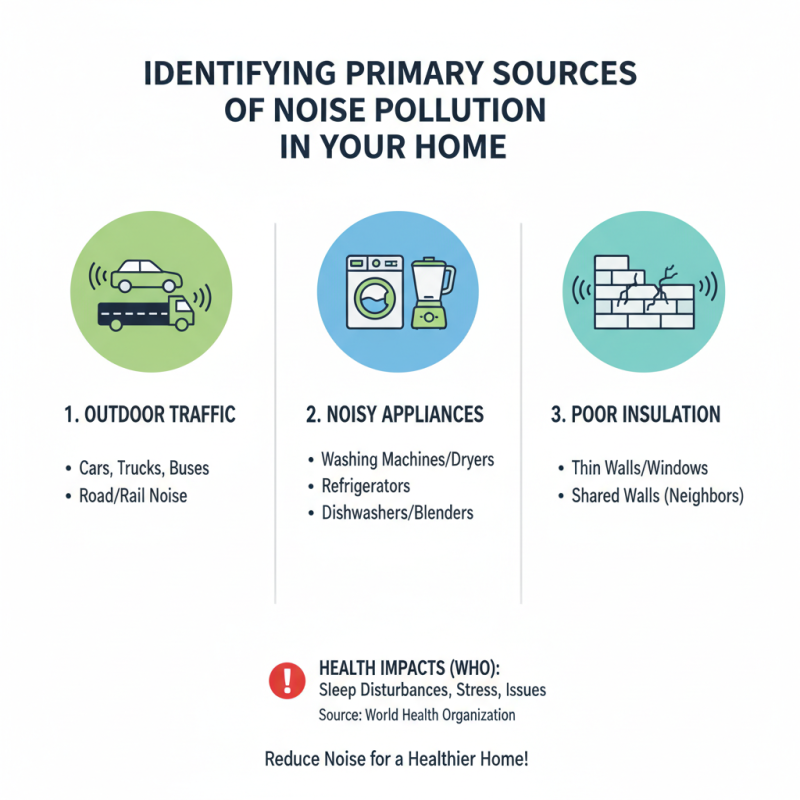
Noise pollution in our homes can stem from various sources. Common culprits include traffic sounds, noisy appliances, and poorly insulated walls. A report by the World Health Organization indicates that excessive noise can lead to health issues, including sleep disturbances and increased stress levels. Understanding these sources is crucial for effective sound dampening.
To tackle noise pollution, consider these tips. Use heavy curtains to absorb sound waves. This simple step can significantly reduce outside noise. Additionally, rugs and carpets serve dual purposes by enhancing decor while dampening sound. These materials can be particularly effective in echo-prone areas like hallways.
Focus on high-noise areas when evaluating your home. The kitchen often becomes a noise hub due to appliances. Using quieter models can make a noticeable difference. However, there are limits to how much sound can be reduced. Thin walls may still transmit noise even after making all the right adjustments. Acknowledging these challenges can guide further improvements in your sound dampening journey.
Effective Materials and Techniques for Soundproofing Rooms
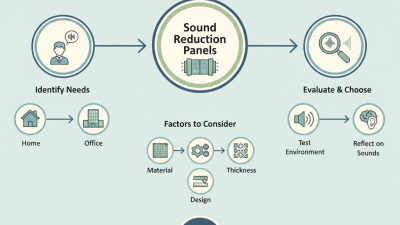
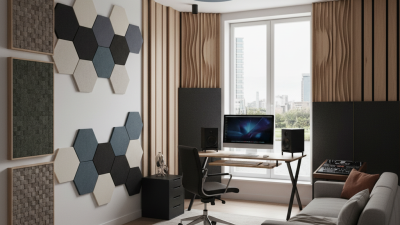
To achieve effective sound dampening in your home, choosing the right materials is crucial. Acoustic panels offer a practical solution. They are specifically designed to absorb sound waves. Place them on walls or ceilings, where noise tends to bounce. Soft fabrics, like wool or polyester, work well. Their dense fibers minimize sound transmission.
Mass-loaded vinyl is another option worth considering. It is heavy and can be applied under flooring or in walls. This helps reduce sound from traveling. Combine these materials with thick carpets or rugs, especially in rooms where noise is a problem. They add an extra layer of sound insulation.
Techniques also play a vital role. Ensure windows are sealed properly with weatherstripping. This can prevent outside noise from creeping in. Heavy curtains can block sound too, so don’t overlook them. Remember, achieving complete soundproofing can be challenging. Reflection and absorption must be balanced carefully. Testing different combinations can lead to better results. Reflect on which methods work best for your space, and make adjustments as needed.
2026 How to Achieve Effective Sound Dampening in Your Home? - Effective Materials and Techniques for Soundproofing Rooms
| Material/Technique |
Effectiveness Rating |
Cost per Square Foot |
Installation Difficulty |
| Acoustic Panels |
High |
$10 |
Easy |
| Soundproof Drywall |
Very High |
$15 |
Moderate |
| Mass Loaded Vinyl (MLV) |
High |
$2 |
Moderate |
| Insulation (Fiberglass) |
Medium |
$1.50 |
Moderate to Difficult |
| Acoustic Curtains |
Medium |
$25 |
Easy |
| Window Inserts |
Very High |
$50 |
Difficult |
Maintenance and Upkeep for Long-lasting Sound Dampening Solutions
Sound dampening is crucial for a peaceful home environment. After installing soundproofing materials, regular maintenance enhances effectiveness. Over time, materials may degrade or lose their sound-dampening abilities. Checking panels and seals for wear is essential. Small gaps can greatly reduce sound isolation.
Occasionally, clean surfaces with a mild detergent and water. This prevents buildup that can affect sound absorption. Replace any damaged elements promptly. If dampening materials shift, re-secure them. Attention to detail ensures long-lasting results.
While these steps sound straightforward, they can be overlooked. Maintaining a schedule for regular checks can help. Remind yourself that even simple upkeep can make a big difference. A few minutes spent on maintenance can yield peace and quiet for years to come.
2026 Sound Dampening Solutions Effectiveness
This chart represents the effectiveness of various sound dampening solutions in reducing sound levels in decibels (dB). As seen, insulation and double glazing provide the highest sound reduction, making them ideal choices for effective sound dampening in your home.