What Are the Top 10 Training Pad Suppliers in China?

Finding reliable Training Pads suppliers in China takes more than comparing catalog prices. Buyers need to understand product construction, production capacity, quality controls, and communication practices. This guide introduces ten suppliers for closer evaluation, with attention to practical factors such as absorbent-core materials, leak-resistant backing, available sizes, packaging options, and private-label services. Small details matter. A pad may look suitable in a photograph, yet perform differently under repeated use.

The supplier landscape changes, and published company information can become outdated. The list should therefore serve as a starting point, not a certified ranking or a guarantee of performance. Before ordering, request current specifications, material details, sample units, and written production terms. Check whether stated certifications apply to the relevant facility and product. Ask about minimum order quantities, lead times, packaging dimensions, and how defects are handled. Clear answers are useful evidence; vague promises are not.

Price is only one part of the decision. Buyers should compare samples under realistic conditions, including absorbency, surface feel, edge leakage, and packaging consistency. Even a careful review has limits. A small sample may not reflect a full production run, and supplier claims still require verification. The companies covered here can help buyers build a shortlist, but the right choice depends on the intended use, target market, and order scale. A little skepticism helps. Reliable sourcing is a process, not a logo on a webpage.
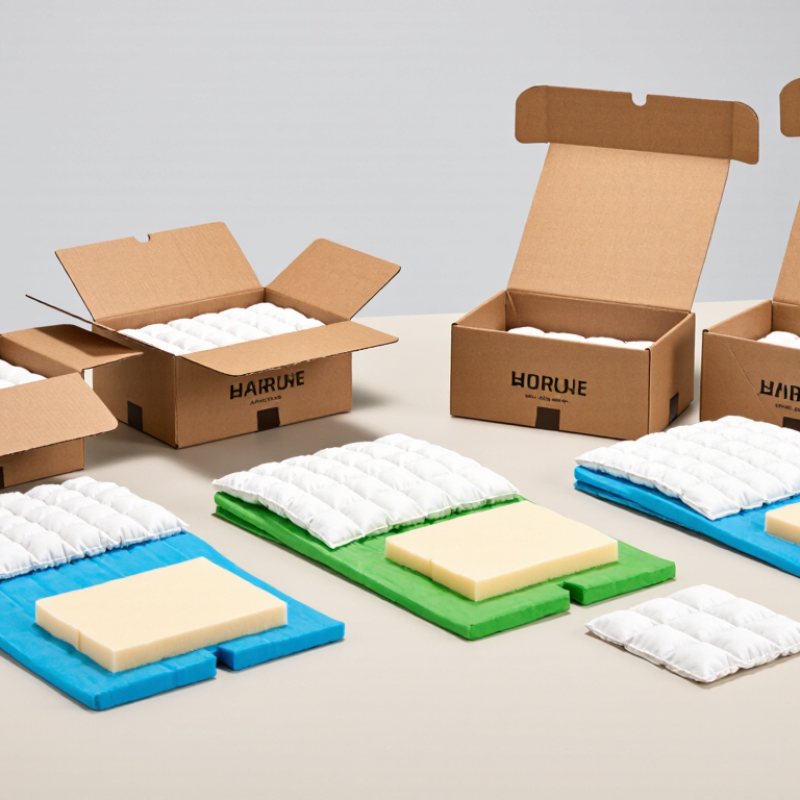
What Are the Top 10 Training Pad Suppliers in China?

What Training Pads Are and How They Are Used

Training pads are absorbent sheets designed to catch urine and protect floors during indoor pet care. Most combine a soft top layer, an absorbent core, and a moisture-resistant backing. Some are disposable; others can be washed and reused. They are commonly placed near a door, in a puppy’s designated area, or beneath a pet’s resting space. A steady location helps pets recognize the intended spot. Replace a wet pad promptly, and check that its edges lie flat on the floor. Small details matter.

Pads can support house-training, travel, senior-pet care, or cleanup during recovery. They are not a substitute for regular outdoor breaks or veterinary advice when a pet’s urination changes suddenly. The American Pet Products Association’s 2024 industry report estimated that 82 million U.S. households had a pet; the report does not measure pad use specifically. That distinction matters when comparing supplier claims with actual demand. Buyers should check absorbency, sheet dimensions, backing strength, and material details, then test performance on the intended floor. A pad may leak if it is undersized or saturated. Not every household needs the same design.

How China’s Training Pad Supply Industry Is Organized

China’s training-pad supply industry is better understood as a network than a simple list of factories. Some companies make absorbent cores; others convert materials into finished pads. The layers matter. A buyer may source nonwoven topsheets, pulp, waterproof films, and adhesives through separate channels. Converting plants then cut, layer, seal, and package the product. This division supports varied specifications, but it can blur accountability. A factory may manage assembly while relying on partners for key inputs.

Suppliers commonly fall into three groups: material makers, pad converters, and export-oriented manufacturers. Some combine these roles, though “one-stop” claims still need checking. Request a dated specification sheet and recent batch records. Ask how absorbency, leakage, edge sealing, and pack counts are checked. Compare samples with the same size and construction. Small details show. A curled corner or uneven absorbent layer can matter more than polished catalog photos.

When comparing ten suppliers, look at production consistency, customization limits, communication, and material traceability—not ranking language alone. A site visit or live production call adds useful evidence, but it is not a guarantee. Supply chains change, and paperwork can lag behind the actual production line. That gap deserves a closer look.

What Are the Top 10 Training Pad Suppliers in China? — How China’s Training Pad Supply Industry Is Organized

This table maps ten common supplier profiles in China’s pet training pad supply chain. It is an industry overview, not a verified ranking of named companies; supplier capabilities and specifications vary by factory and order.

Profile Supplier type Typical products or capabilities How it fits into the supply chain Typical buyer Checks to make before ordering
1 Finished-pad OEM manufacturer Disposable puppy pads in standard and custom sizes, with absorbent cores, nonwoven topsheets, and waterproof backing. Converts raw and semi-finished materials into packaged finished goods; may offer private-label production. Importers, wholesalers, and pet-product retailers Confirm pad dimensions, layer construction, absorbency test method, packaging options, and production lead time.
2 ODM product developer Existing pad designs plus options for packaging, artwork, sizing, and selected material specifications. Combines product development with manufacturing, often using established designs that can be adapted for buyers. Brands and distributors seeking a differentiated product without developing every specification from scratch Clarify which design elements are customizable, who owns artwork and tooling, and whether samples match bulk production.
3 Absorbent-core specialist Core materials using fluff pulp, superabsorbent polymer (SAP), or a combination, supplied as components or incorporated into pads. Provides a key absorbent layer to converters or produces finished pads with a focus on core performance. Converters and buyers prioritizing absorbency and liquid retention Request documented test conditions for absorption and rewet; performance depends on the full pad construction, not SAP content alone.
4 Nonwoven and topsheet-integrated producer Pet pads using nonwoven topsheets, sometimes with embossed or quilted surface patterns. Sources or integrates topsheet materials and assembles them with the absorbent core and backing layers. Private-label buyers and distributors with defined surface or comfort requirements Check topsheet material, softness, liquid pass-through, seam quality, and whether the specified material is used in production.
5 Reusable-washable pad manufacturer Washable multi-layer pads, generally constructed with a top fabric, absorbent layer, and leak-resistant backing. Supplies textile-based alternatives to disposable pads; products require sewing, lamination, or related textile processes. Pet retailers and buyers serving customers seeking reusable products Verify wash-care instructions, layer composition, stitching or lamination quality, and performance after repeated washing.
6 Custom-size and custom-construction converter Made-to-order dimensions, absorbent-core layouts, backing options, and packaging configurations. Adapts converting and packing processes to buyer specifications, subject to machinery limits and order quantities. Retail chains, distributors, and buyers with non-standard product requirements Approve a production sample and confirm tolerances, minimum order quantity, change-control procedures, and final specifications in writing.
7 Bulk and institutional-pack supplier Large-count packs or plain-pack formats intended for frequent use, kennels, and other high-consumption settings. Focuses on efficient packing and shipment of higher-volume orders; may manufacture directly or source from converters. Pet-care facilities, wholesalers, and value-oriented retail channels Compare usable pad size and construction as well as pack count; confirm carton dimensions, pallet configuration, and shipping weight.
8 Retail-ready private-label packer Finished pads packed with buyer-provided or supplier-supported labels, artwork, barcodes, and retail packaging. Coordinates finished-product packing and presentation, either in-house or through manufacturing partners. Retailers and brands requiring shelf-ready packaging Check packaging proofs, barcode placement, language requirements, pack-count accuracy, and responsibility for artwork approval.
9 Export-oriented contract manufacturer Disposable or reusable pads produced to buyer specifications for export markets. Coordinates production with export documentation and shipment planning; actual compliance obligations depend on the destination market. Importers and overseas distributors Verify the legal manufacturer, product and packaging specifications, applicable destination-market requirements, and export-document accuracy.
10 Trading company or multi-factory sourcing supplier Can offer several pad types, pack formats, or related pet-care products by sourcing from one or more factories. Acts as an intermediary between buyers and manufacturing facilities; may coordinate sampling, orders, and shipment. Smaller buyers or importers seeking consolidated sourcing Identify the actual manufacturing site, confirm who controls quality checks, and establish traceability and accountability for defects.

Criteria for Evaluating Chinese Training Pad Suppliers

A careful evaluation of Chinese training pad suppliers should begin with product consistency, not a low quotation. Compare absorbency, core thickness, surface dryness, and leak resistance using the same test conditions. Request specifications for each layer and ask how production batches are checked. Test samples with measured water volumes, then inspect the edges and backing for seepage. Small details matter. A sample may perform well while later batches vary, so ask about batch records and corrective actions.

Review the supplier’s quality documents, production capacity, and experience with your required pad sizes and packaging. Confirm whether reported test results come from a traceable laboratory or internal checks; these are not equivalent. Discuss minimum order quantities, lead times, inspection arrangements, and how defects are handled in writing. Communication is also evidence: clear answers and timely sample updates make collaboration easier. Still, a neat factory audit cannot guarantee every shipment, so independent pre-shipment checks may be worthwhile.

Tips: Compare at least two samples per supplier, keep dated test notes, and confirm specifications before ordering. Ask for evidence, not promises. A little extra checking can prevent costly surprises.

Profiles of Ten Notable Training Pad Suppliers in China

The ten profiles below describe supplier strengths to compare, rather than a verified ranking of named companies. One profile focuses on high-volume production and consistent sizing. Another specializes in soft, quilted pads for everyday use. A third offers several absorbency levels for different needs. The fourth emphasizes breathable top sheets. The fifth provides custom dimensions for private-label orders. These distinctions matter: a pad that feels soft may still leak if its core is poorly sealed.

Tips: Request a current specification sheet and samples from the same production line. Check dimensions, absorbency claims, seam quality, and packaging details. Ask how the supplier handles defects and repeat orders. Keep written records.

The remaining profiles include a supplier geared toward compact retail packaging, one serving institutional buyers, and one offering flexible minimum order quantities. Another may stand out for clear inspection records, while the tenth could provide practical packaging customization. These are useful comparison points, not confirmed company attributes. Supplier capabilities can change, and this framework is imperfect without factory audits or independent test results. A careful buyer should compare samples and written specifications before making a decision.

How to Compare Suppliers’ Products, Capacity, and Services

When comparing ten training pad suppliers in China, start with the product, not the catalog photos. Check pad dimensions, absorbent-core weight, surface feel, and backing material. Ask for samples from the same product grade you plan to order. Test them with a measured amount of water and note how quickly the surface dries. Small details matter.

Then examine production capacity with specific questions. How many lines are running, and what is the normal monthly output? Ask for recent lead times and how orders are handled during busy periods. A large stated capacity is not enough; request evidence such as a production schedule or a factory visit. I still find this difficult to judge from polished presentations alone.

Service can separate otherwise similar suppliers. Compare sample turnaround, packaging options, inspection records, and response times when defects are reported. Ask how batch consistency is checked, and whether inspection results can be shared before shipment. Keep the same checklist for every supplier, so comparisons stay fair. Not perfect, but useful. A low quote may look attractive until custom packaging or delayed samples add time and cost. Verify claims directly, and record what remains uncertain.

How to Compare Training Pad Suppliers in China

Suggested evaluation weights for comparing shortlisted suppliers—these are buyer-side criteria, not supplier-reported results or a market ranking.

Assess product quality and compliance, production capacity, customization, lead time, pricing, service, and export experience. Verify specifications, test reports, capacity, and terms directly with each supplier.