How to Source Pink Clothing Donation Bins in 2026
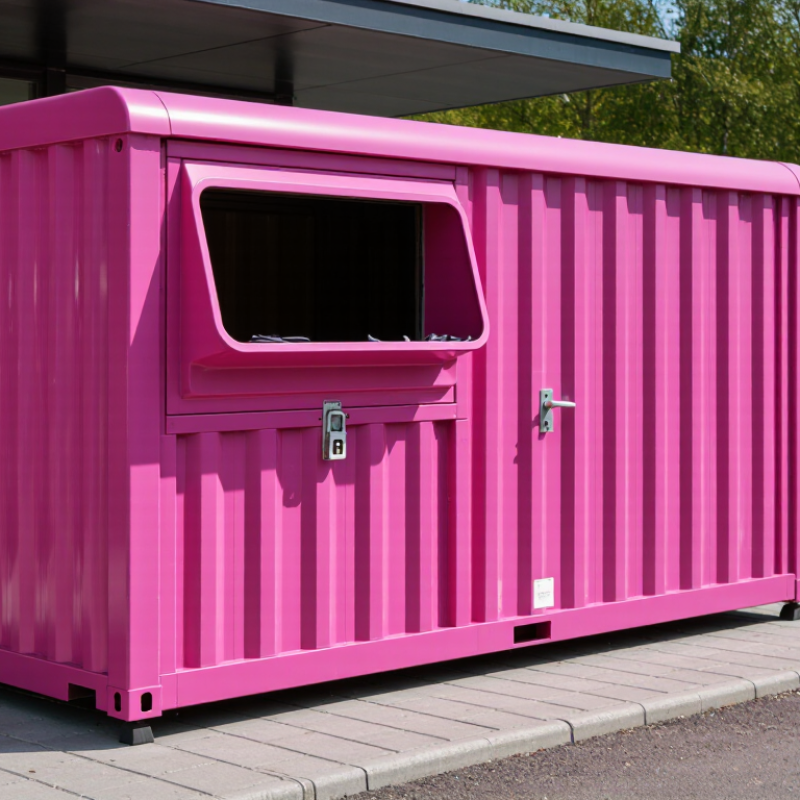
In 2026, sourcing Pink Clothing Donation Bins means balancing visibility, durability, and practical collection needs. A bright pink finish can help a bin stand out beside a shop entrance or community center, but color alone does not earn trust. Donors also need clear instructions, a visible contact number, and an opening that accepts ordinary clothing without snagging sleeves. Small details matter.
Fashion Revolution co-founder Orsola de Castro has said, “The most sustainable garment is the one already in your wardrobe.” That idea makes responsible collection design important: a bin should support reuse, not merely look reassuring. Before choosing a supplier, ask about steel thickness, weather-resistant coating, lock design, capacity, delivery, and repair options. Request photographs of installed units, not only polished product renders. Check whether signs can explain what items are accepted and how to report a full or damaged bin.
A sourcing decision should fit its location. A busy pavement may need a compact footprint and a stable base; a sheltered parking area may allow a larger unit. Ask how collections are scheduled and how overflow is handled. Test one site first. Then observe whether people can find, understand, and use the bin easily.
There may be trade-offs. A vivid finish can fade, and a larger opening may invite unsuitable items. No specification solves every site problem. This guide explores how to compare suppliers, assess quality, and choose Pink Clothing Donation Bins with practical evidence rather than attractive promises.
Define the Purpose and Requirements for Pink Clothing Donation Bins
Before sourcing pink clothing donation bins, define what the program should achieve. Start with the need. Is the goal to collect wearable clothing for community reuse, support a seasonal drive, or make a donation point easy to recognize? A clear purpose helps determine bin size, placement, and collection frequency. Pink can improve visibility, but it should not replace plain instructions.
Write down what people may donate, and what they should keep out. Keep it specific. For example, state whether clean shoes, coats, or household textiles are accepted. Use weather-resistant signs with large lettering, simple examples, and a contact method for questions. A person carrying a heavy bag should understand the rules without searching for another notice. Check that the opening suits common donation bags and does not create sharp edges or pinch points.
Think through the site before comparing suppliers. Measure the available space, including room for a collection vehicle to approach safely. Consider rain exposure, lighting, foot traffic, and accessibility for people with limited mobility. Ask who will inspect the bin, remove overflowing donations, and arrange pickup. These details are easy to overlook; a bright bin can still become an awkward obstacle. Confirm site-owner approval and review local placement requirements before ordering. Decide what material, locking method, and capacity suit the location, then put those requirements in writing.
Identify Manufacturers and Suppliers Offering Custom Pink Bins
When sourcing pink clothing donation bins in 2026, compare manufacturers that build the bins with suppliers that customize and distribute them. Ask what each company handles: fabrication, delivery, artwork, and replacement parts. A supplier may offer several sizes, while a manufacturer may adjust dimensions or access panels. Get those details in writing.
Request a physical color sample or a photo taken outdoors, not just a screen image. Pink can look pale in shade and much brighter in direct sun. Small differences show. Confirm the finish resists fading and can be cleaned without damaging the surface. Ask for dimensions, material thickness, capacity, and details about the deposit opening and collection door. A simple drawing can reveal awkward access before production begins.
Before placing a large order, ask for a sample bin or a small first run. Check that the door opens smoothly, the label is readable from the sidewalk, and the bin sits securely on its intended surface. Request a written quote that separates customization, freight, and installation costs. I would not rely on color names alone; one supplier’s “rose pink” may differ from another’s. Review the final sample under the lighting where the bin will be placed.
Verify Bin Materials, Safety Standards, and Donation Policies
When sourcing pink clothing donation bins in 2026, check more than the color. Ask for written material specifications: steel thickness or polymer grade, corrosion protection, UV resistance, and weather sealing. Inspect a sample for sharp edges, pinch points, a stable base, and a secure collection door.
The U.S. Environmental Protection Agency reported that Americans generated 17 million tons of textiles in 2018, with only 2.5 million tons recycled. A bin exposed to rain or difficult to access can undermine collection efforts.
Request documented safety testing and installation guidance, then confirm the design suits the placement site. Ask how bins are anchored, emptied, and kept clear of walkways. Review the donation policy before purchase: accepted items, handling of unusable clothing, pickup frequency, and where donations go. Get these details in writing. A bright label is not a policy. I would also question vague claims such as “all donations are reused”; sorting outcomes can vary, and that deserves honest disclosure.
Tips: Test the door with gloves on. Check that labels remain readable outdoors. Keep a dated record of pickups and weights. Small oversight matters.
Compare Pricing, Shipping, Customization, and Support
How to Source Pink Clothing Donation Bins in 2026
Compare Pricing, Shipping, Customization, and Support
Compare the delivered price, not just the bin’s unit cost. Ask for separate quotes covering hardware, freight, packaging, and any setup fees. Shipping can change the value of a low-priced bin, especially for bulky units sent across long distances. The U.S. EPA’s 2018 materials report estimated that 17 million tons of textiles entered the U.S. waste stream, while 2.5 million tons were recycled. That scale makes dependable collection equipment worth careful comparison. Check dimensions, capacity, weather resistance, and how the deposit door handles folded garments.
Customization should help donors identify the bin quickly. Request a color sample or photo before approving a pink finish, and confirm whether signage, lettering, and collection instructions are included. Ask how replacement parts are supplied and how quickly support responds to damage or delivery problems. A polished quote can still miss a practical detail; confirm installation needs and who handles freight damage in writing. For multiple locations, request consistent specifications and delivery dates.
Tips: Compare at least three written quotes using the same bin size and delivery address. Photograph the delivery and inspect hinges, edges, and signage before placing the bin. A few minutes of checking helps.
Place an Order and Plan Bin Delivery and Installation
When requesting a quote, specify the bin’s dimensions, capacity, finish, and intended location. Ask whether the pink color is painted, coated, or applied as a wrap, and request a sample if color matching matters. Confirm the deposit opening, collection door, lock type, and signage area before approving the order. Small details matter. Share a site photo and measured route, including gate width and overhead clearance. A delivery truck needs room to turn, not just a place to stop.
Agree in writing on the delivery date, unloading method, installation scope, and any extra charges. Confirm who supplies equipment and who anchors the bin, if anchoring is approved for the site. Ask how the crew will handle uneven paving or a narrow entrance. Plans change; ours sometimes do. Keep a contact person available on delivery day, and provide clear instructions for access and placement. If the site is not ready, rescheduling can be easier than moving a heavy bin twice.
Before signing off, check that the quoted model fits the actual collection needs and available space. Request written confirmation of lead time, finish, and included hardware. On arrival, inspect the bin for dents, color differences, and door alignment before the crew leaves. Take photos and note any issues on the delivery paperwork. I would leave a little extra clearance around the bin; a placement that looks neat can still make servicing awkward.