Top Tips for Using Soundproof Wall Panels to Reduce Noise in Your Home
In today's fast-paced world, the need for tranquility within our homes has become increasingly important. As noise pollution from urban environments continues to rise, many homeowners are seeking effective solutions to reclaim their peace. One such solution is the implementation of soundproof wall panels. According to Dr. Emily Harmon, an acoustics expert and author of "Noise Reduction Techniques," “Soundproof wall panels not only help in reducing unwanted noise but also enhance the aesthetic appeal of living spaces.”
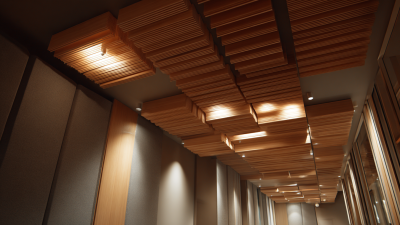
Utilizing soundproof wall panels can dramatically alter the auditory dynamics of a home, making it a serene sanctuary. Whether it’s the sounds of bustling traffic, loud neighbors, or the everyday clatter of household activities, these panels serve as a reliable barrier against intrusive noise. Moreover, the installation of soundproof wall panels can create a more productive and focused environment, benefiting everyone from remote workers to families looking to enjoy leisure activities without distractions.
In this article, we will explore top tips for effectively using soundproof wall panels, helping you to make informed choices that cater to your specific needs. By understanding how to strategically place and select the right type of panels, you can transform your living space into a peaceful haven, taking full advantage of the benefits these innovative acoustic solutions offer.
Understanding Soundproof Wall Panels: Types and Materials
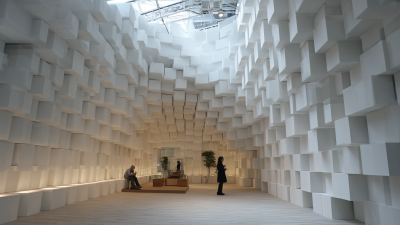
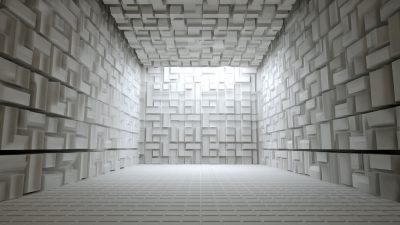
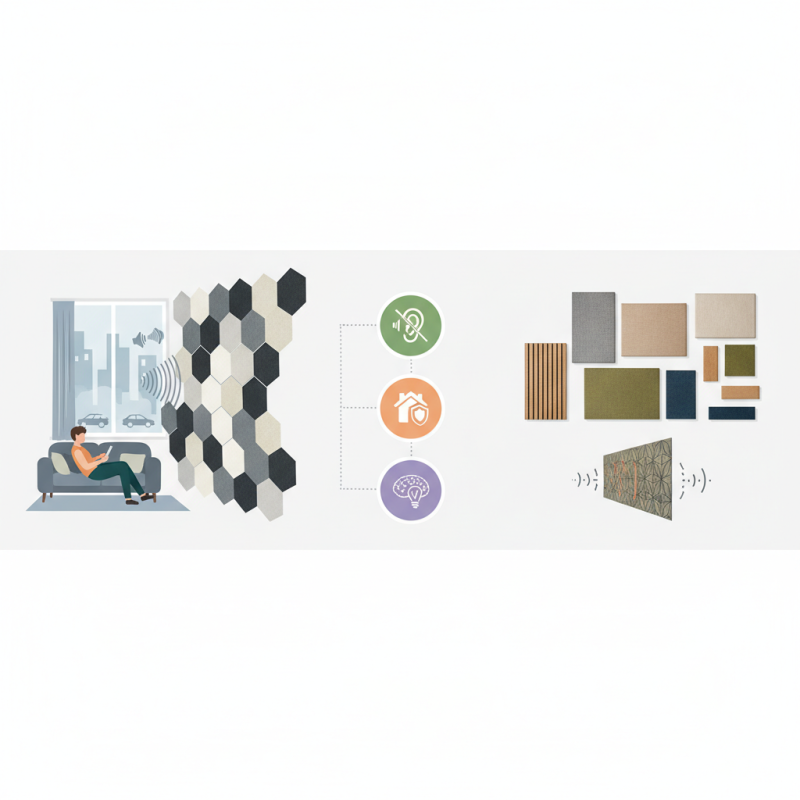
When considering soundproof wall panels, it's essential to understand the various types and materials available to maximize noise reduction in your home. Generally, soundproof panels fall into two main categories: absorption panels and sound barrier panels. Absorption panels, often made from soft, porous materials like foam or fabric, are designed to absorb sound energy, reducing echoes and reverberation within a room. These panels are particularly effective in spaces like home theaters or music studios where clarity of sound is crucial.
On the other hand, sound barrier panels are constructed from denser materials like mass loaded vinyl or gypsum board. These panels work by blocking sound waves from passing through the walls, making them ideal for areas adjacent to noisy environments, such as busy streets or loud neighbors. The effectiveness of sound barrier panels can be enhanced by using multiple layers or combining them with absorption panels, creating a more comprehensive approach to soundproofing. Understanding these materials and their functions will help you select the right panels to create a quieter, more peaceful living space.
Benefits of Soundproof Wall Panels for Home Noise Reduction
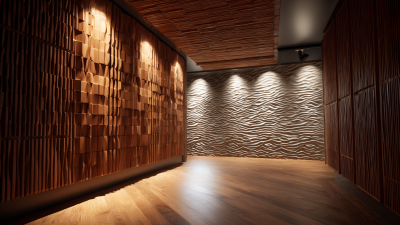
Soundproof wall panels offer a variety of benefits for those looking to reduce noise in their homes. One of the most significant advantages is their ability to enhance privacy. Whether you live in a bustling urban environment or a quiet suburban neighborhood, unwanted sounds can intrude upon your peace. By installing soundproof panels, you can create a tranquil atmosphere in your living spaces, allowing you to relax, focus, or entertain without disturbances from outside noise or even activities in other rooms.
In addition to privacy enhancements, soundproof wall panels contribute to improved sound quality within a room. This is particularly useful for environments such as home theaters, music studios, or offices, where clarity and sound fidelity are essential. The panels absorb sound waves, reducing echo and reverberation, resulting in a more pleasant auditory experience. Furthermore, these panels can also help in managing sound leakage, ensuring that your audio experiences do not disturb other areas of your home or nearby living spaces. With these benefits, soundproof wall panels can transform your home into a more comfortable and acoustically balanced environment.
Soundproof Wall Panels Effectiveness in Noise Reduction
Choosing the Right Location for Installation
When it comes to effectively reducing noise levels in your home, the strategic placement of soundproof wall panels is crucial. Acoustic experts recommend identifying the primary sources of noise within your living space, which often include areas adjacent to busy streets, shared walls with neighbors, or rooms that serve as entertainment hubs. According to a study by the Acoustical Society of America, sound travels approximately 1,125 feet per second, making it essential to focus on locations where sound infiltrates your home most heavily. Installing panels in these areas not only maximizes noise reduction but also enhances overall sound quality inside the room.
In addition to identifying noisy areas, consider the arrangement of furniture and other elements within the space. Research from the National Institute of Building Sciences highlights that placing sound-absorbing materials—such as furniture or decorative textiles—near soundproof panels can further diminish echo and reverberation. This layered approach not only bolsters the effectiveness of the wall panels themselves but also allows for a more aesthetically pleasing environment. Furthermore, the ideal installation height should be at ear level when seated to ensure optimal sound attenuation, as noise tends to be most disruptive at frequencies that affect conversational speech. By thoughtfully choosing locations and considering surrounding factors, the benefits of soundproof wall panels can be fully realized, resulting in a quieter, more serene home environment.
Top Tips for Using Soundproof Wall Panels to Reduce Noise in Your Home - Choosing the Right Location for Installation
| Location |
Noise Source |
Recommended Panel Type |
Panel Thickness |
Installation Tips |
| Living Room |
TV Noise |
Acoustic Foam Panels |
2 inches |
Apply on the wall behind the TV for optimal sound absorption. |
| Bedroom |
Outside Traffic Noise |
Mass Loaded Vinyl Panels |
1 inch |
Install on exterior walls to reduce external noise intrusion. |
| Home Office |
Neighbor Conversations |
Soundproofing Panels |
1.5 inches |
Position panels on shared walls to block conversations. |
| Music Room |
Loud Instruments |
Bass Traps & Panels |
3 inches |
Use a combination of traps in corners and panels on walls. |
| Playroom |
Children's Noise |
Acoustic Fabric Panels |
2 inches |
Cover walls with colorful panels to add a fun element. |
Step-by-Step Installation Process for Optimal Results
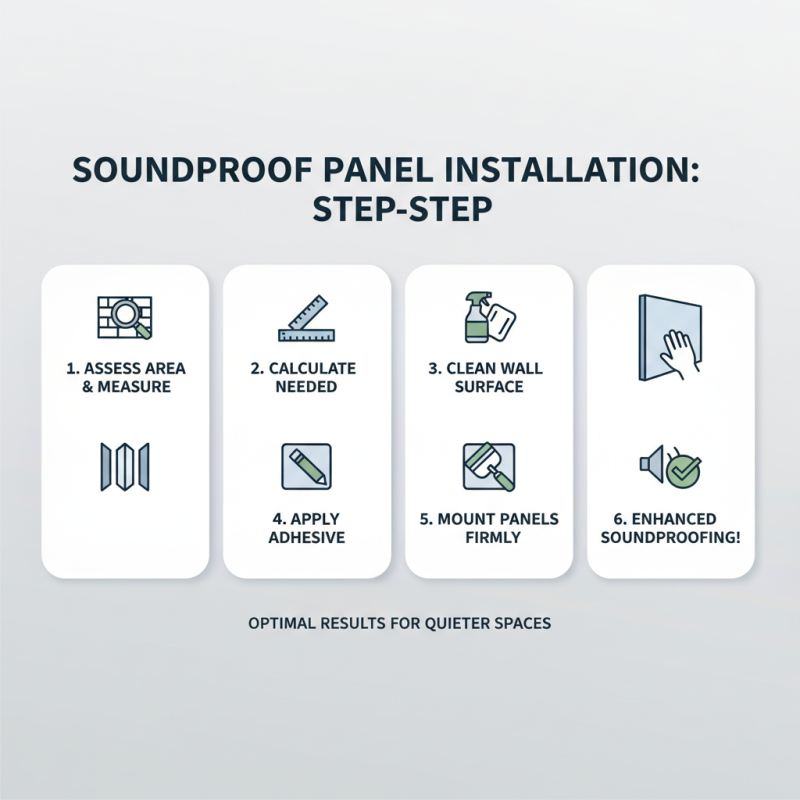
To achieve optimal results when installing soundproof wall panels, it is crucial to follow a step-by-step process that ensures both effectiveness and efficiency. Begin by assessing the area where you intend to install the panels. Measure the wall space accurately to determine how many panels you'll need. Clean the wall surface thoroughly to remove any dust or debris, as this promotes better adhesion and ensures a smoother installation.
Next, apply the appropriate adhesive or mounting hardware as recommended for the type of soundproof panels you are using. It’s essential to follow the manufacturer’s instructions, but generally, you’ll want to apply the adhesive evenly across the back of the panel. Carefully position the panel on the wall, using a level to ensure it is straight. For larger panels or when working alone, it may help to have a friend assist you to hold the panel in place while you secure it. Repeat this process, taking care to align each panel properly, and fill in any gaps with additional materials as needed to minimize sound leakage.
Maintaining and Caring for Soundproof Wall Panels
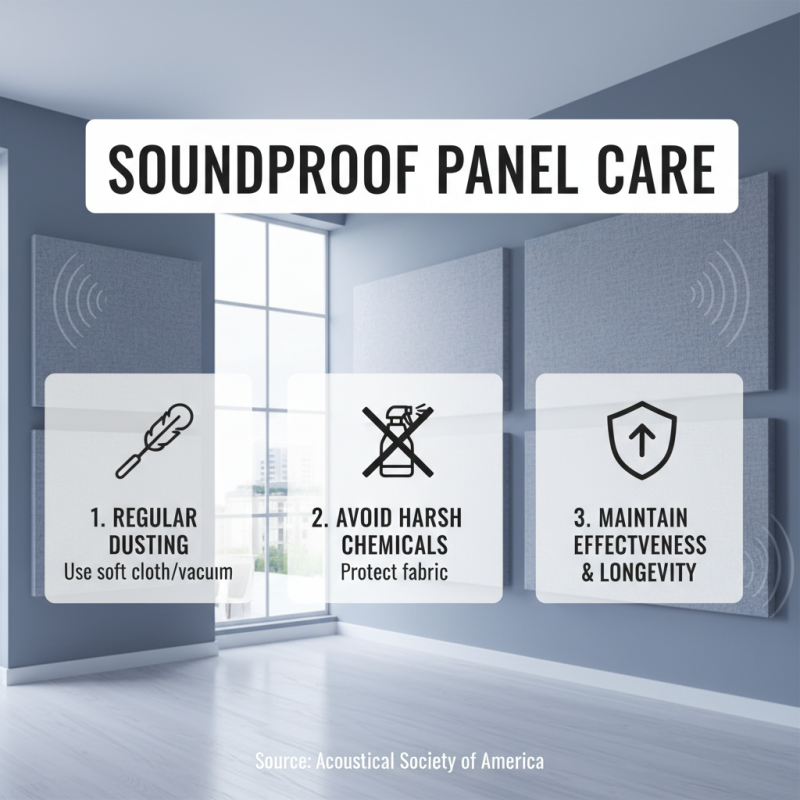
When incorporating soundproof wall panels into your home, maintenance and care are critical in ensuring their effectiveness and longevity. According to a report from the Acoustical Society of America, improper upkeep can reduce the sound absorption properties of these panels, leading to increased noise levels. Regular dusting with a soft cloth and occasional vacuuming helps maintain their surface, ensuring that dust and debris do not accumulate and affect performance. Additionally, avoid using harsh chemicals that could damage the fabric or material of the panels, as this may compromise their soundproofing abilities.
One important tip for maintaining soundproof wall panels is to monitor the humidity levels in the room. Excess moisture can lead to mold growth, which not only impacts the panels' functionality but can also pose health risks. Using a dehumidifier or ensuring proper ventilation can help mitigate this issue. Furthermore, consider periodic inspections of the panel adhesion. Over time, the adhesive may weaken, so it's essential to check for any loose panels and reapply adhesive if necessary to maintain an effective barrier against noise.
Lastly, consider rearranging or replacing panels as needed based on your acoustic goals. The effectiveness of soundproof panels can change with alterations in furniture layout or when new sound sources are introduced. Staying proactive about these adjustments ensures your living space remains quiet and comfortable while prolonging the lifespan of your soundproofing solutions.