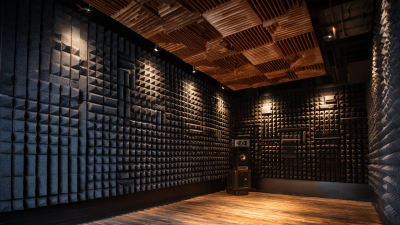
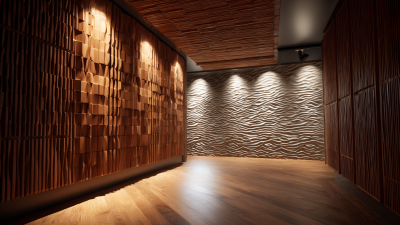
Top Sound Panels for Ceiling to Enhance Acoustics in 2025
In the pursuit of optimal acoustics within both residential and commercial spaces, sound panels for ceiling installations have emerged as a crucial solution for enhancing sound quality in various environments. According to a report by MarketsandMarkets, the global acoustic treatment market is projected to reach USD 1.7 billion by 2025, reflecting a growing awareness of the significant impact that proper sound management has on productivity and comfort. This trend highlights the increasing adoption of innovative ceiling sound panel designs that not only improve acoustics but also contribute to the aesthetic appeal of interiors.

As we look forward to 2025, the effectiveness of sound panels for ceiling applications is being further underscored by advancements in materials and technology. With a shifting focus towards sustainable building practices, many manufacturers are now offering eco-friendly and efficient acoustic solutions that meet both design and functionality needs. The Acoustic Society of America has indicated that improper acoustics can harm concentration and lead to increased stress levels, making the role of these panels in soundproofing and noise control more vital than ever. This underscores the need for stakeholders in both residential and commercial sectors to consider the best sound panel options available to create harmonious living and working environments.
Key Features to Look for in Acoustic Ceiling Panels
When choosing acoustic ceiling panels, several key features should be prioritized to deliver both functionality and aesthetics. First, the material composition plays a crucial role in sound absorption. Panels made from high-density fibers or specialized acoustical materials help to minimize sound reflections, ensuring a quieter and more comfortable environment. Additionally, the thickness and density of the panels can greatly influence their effectiveness in dampening noise. Look for panels that offer a balance between lightweight design and high-performance acoustic properties.
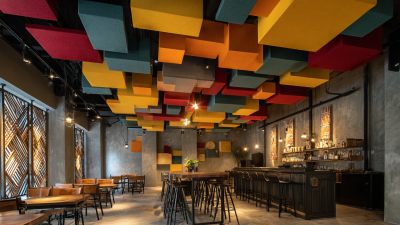
Aesthetics are equally important when selecting ceiling panels. Today's market offers a wide variety of colors, textures, and patterns, allowing for creative expression while maintaining acoustic functionality. The trend is moving away from traditional white panels towards more vibrant colors and unique finishes that enhance the overall interior design. Customization options, such as unique shapes and integrated lighting, can transform an ordinary ceiling into a stunning focal point. As the architectural acoustic panels market continues to expand, these innovations will provide even more possibilities for enhancing acoustics and elevating the design of various spaces in 2025 and beyond.
Top Sound Panels for Ceiling to Enhance Acoustics in 2025
| Model |
Material |
Thickness |
Dimensions |
Noise Reduction Coefficient (NRC) |
Installation Type |
| Acoustic Panel A |
Fiberglass |
2 inches |
24" x 48" |
0.95 |
Glue-up |
| Acoustic Panel B |
Foam |
1 inch |
20" x 20" |
0.80 |
Staple-up |
| Acoustic Panel C |
Mineral Wool |
1.5 inches |
24" x 24" |
0.90 |
Drop ceiling |
| Acoustic Panel D |
Wood Fiber |
1 inch |
48" x 96" |
0.85 |
Direct mount |
| Acoustic Panel E |
Polyester |
2 inches |
36" x 60" |
0.95 |
Wall-mounted |
Top 10 Acoustic Ceiling Panels Reviewed for 2025
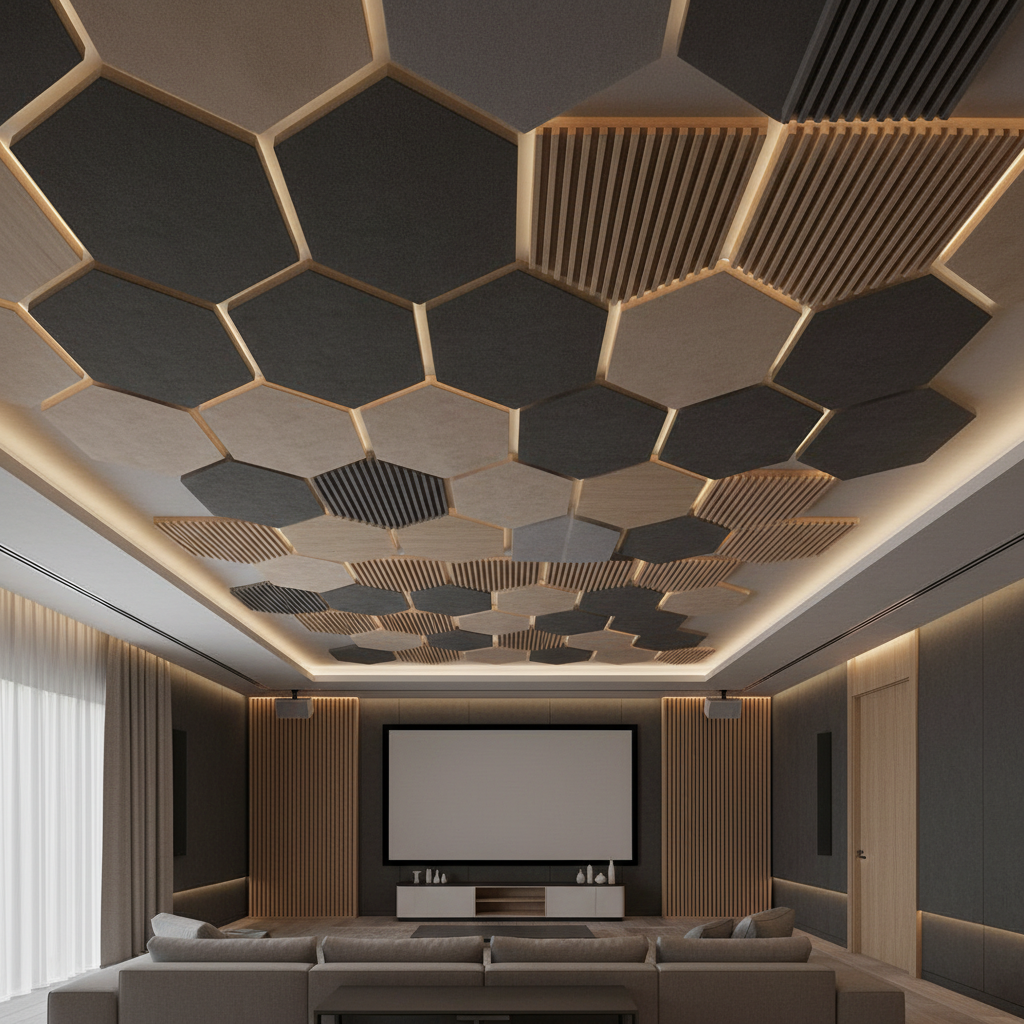 Acoustic ceiling panels play a crucial role in enhancing the auditory experience in various settings, from music studios to office spaces. In 2025, the demand for effective soundproofing solutions continues to rise, driven by the growing awareness of acoustic comfort and noise reduction. In a recent industry report by the Acoustical Society of America, it was noted that the use of high-quality acoustic panels can reduce sound reverberation time by up to 50%, significantly improving clarity and comfort in any environment.
When selecting the best acoustic ceiling panels, consider materials that offer superior sound absorption such as fiberglass or mineral wool. These materials not only eliminate unwanted noise but also add aesthetic appeal to spaces. It's important to note that panels with a Noise Reduction Coefficient (NRC) rating of 0.85 or higher are generally more effective in controlling sound.
Tips: Ensure to assess the specific acoustic needs of your space. For instance, in areas with high foot traffic or echo-prone environments, look for thicker panels with a higher NRC. Additionally, incorporating different panel shapes can enhance the visual interest while improving acoustics. Always consult with professionals for tailored advice to achieve the best results in your acoustic setup.
Comparative Analysis of Material Types for Sound Panels
When considering the best sound panels for ceiling installations in 2025, a comparative analysis of material types reveals diverse options that cater to varying acoustic needs. The latest developments in the acoustic ceiling tiles market indicate a substantial demand for high-performance materials, projected to reach a market value of USD 11.53 billion by 2033. Notably, sandwich and composite panels have gained popularity due to their exceptional sound insulation properties, effectively minimizing noise transmission in both residential and commercial settings.
In addition, innovative approaches in using waste recycled porous materials for sound reduction present eco-friendly alternatives that align with sustainability goals. As urban noise pollution intensifies, the need for effective soundproofing solutions is paramount. By exploring various materials, including recycled options, designers and builders can enhance acoustic performance while contributing to environmental sustainability. The architectural acoustic panels market reflects this trend, with a projected growth from $8.97 billion in 2024 to $13.76 billion by 2032, underscoring the increasing emphasis on effective building materials that harmonize acoustic quality with ecological responsibility.
Top Sound Panels for Ceiling to Enhance Acoustics in 2025
Innovative Designs and Technologies in Ceiling Acoustics
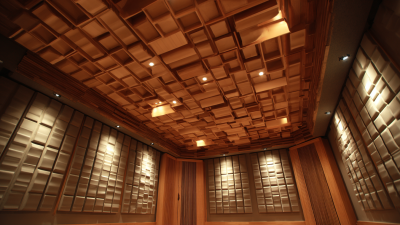
In 2025, the intersection of innovative design and technology in ceiling acoustics is poised to enhance both functionality and aesthetics within various spaces.
Modern ceilings have evolved beyond mere architectural elements; they now embody a blend of stylish design, sustainability, and advanced sound-absorbing technologies.
For instance, sound-absorbing panels not only improve acoustic comfort but also integrate ethical considerations and aesthetic appeal, offering dynamic solutions to noise reduction in both domestic and commercial environments.
Tips: When considering the installation of acoustic panels, opt for designs that complement the overall decor while enhancing sound quality.
Additionally, explore the latest offerings like ceiling-mounted orb speakers that blend sound and light for a seamless aesthetic upgrade.
Lastly, keep an eye on innovative materials such as industrial-style panels that reflect the technology used in their manufacturing, ensuring your space is not only stylish but also a beacon of modern acoustic design.
Installation Tips for Maximizing Acoustic Panel Performance
When installing acoustic panels on the ceiling, precision is key to maximizing their performance. Start by assessing the room’s layout and identifying areas with the most sound reflection. Use a decibel meter or consult acoustic maps to determine where sound waves converge and scatter. This strategic placement will significantly enhance the panels' effectiveness in reducing echoes and improving overall sound quality.
For best results, adhere the panels to areas where soundwaves are likely to hit the ceiling directly, such as over seating areas or near high-traffic zones. Utilizing a combination of panel sizes and shapes can create a more dynamic acoustic environment. Additionally, ensuring proper mounting methods—whether adhesive or mechanical fasteners—can prevent the panels from sagging or falling over time. Taking the extra time to align panels symmetrically can also contribute to a more visually pleasing and acoustically balanced outcome.