Why Sound Blocking Panels Are Essential for Reducing Noise in Your Home
In today’s urban living environments, noise pollution has become a significant concern for many homeowners. Whether it's the constant hum of traffic, loud neighbors, or the sounds of daily life, the quest for tranquility within our own spaces has never been more vital. Renowned acoustics expert Dr. Emily Johnson emphasizes the importance of addressing this issue, stating, "The incorporation of sound blocking panels can transform not just the acoustics of a space, but also the overall well-being of its inhabitants."
Sound blocking panels are essential tools designed to mitigate unwanted noise, fostering a more peaceful and productive home environment. These panels leverage specialized materials and design techniques that effectively absorb and block sound waves, creating a barrier against external disturbances. As people increasingly focus on wellness and mental health, the role of sound blocking panels becomes even more crucial in safeguarding the serene ambiance of our homes.
By investing in sound blocking panels, homeowners can take proactive steps toward reducing the noise that disrupts their daily lives, leading to improved concentration, relaxation, and overall quality of life. Understanding the necessity of these panels not only aids in selecting the right solutions but also highlights their transformative power in creating a sanctuary amidst urban chaos.

Understanding the Basics of Sound Blocking Panels in Residential Spaces
Sound blocking panels are designed to minimize the transmission of noise between spaces, making them an essential addition to residential environments. These panels work by absorbing sound waves and preventing them from passing through walls, ceilings, or floors. When installed correctly, they can significantly reduce unwanted noise from external sources, such as traffic or construction, as well as internal commotion from family members or appliances within the home.
Understanding the types and materials of sound blocking panels is crucial for effective noise reduction. Common materials used in these panels include acoustic foam, fiberglass, and mass-loaded vinyl, each offering different benefits in terms of sound absorption and blocking capabilities. Acoustic foam, for example, is excellent for preventing echoes and reverberation within a room, while mass-loaded vinyl is more effective at blocking sound transmission between spaces. By strategically placing these panels in key areas, such as home theaters, bedrooms, or home offices, homeowners can create a quieter and more peaceful living environment tailored to their specific needs.
Noise Reduction Effectiveness of Sound Blocking Panels
The Importance of Noise Reduction for a Comfortable Home Environment
Noise pollution has increasingly become a significant concern in today's urban living environments. Research conducted by the World Health Organization indicates that prolonged exposure to noise can lead to various health issues, including stress, sleep disturbances, and even cardiovascular diseases. In a survey conducted by the Environmental Protection Agency, over 50% of respondents indicated that noise levels in their homes negatively impacted their quality of life, highlighting the urgent need for effective solutions.
To create a comfortable home environment, sound blocking panels can serve as an invaluable resource for reducing noise intrusion. According to studies from acoustic engineering professionals, sound blocking panels can reduce noise levels by up to 50%, making them essential components in homes situated near busy streets or high-traffic areas. These panels work by absorbing sound waves and preventing them from reverberating throughout the space, thereby contributing to a more serene atmosphere. Whether it be for a home office, bedroom, or entertainment room, the installation of sound blocking panels can significantly enhance the acoustic comfort and overall well-being of occupants.
Given the increasing awareness of noise pollution's adverse effects, many homeowners are turning to acoustic treatments to improve their living conditions. As highlighted in a report from the Acoustical Society of America, investing in soundproofing solutions not only enhances comfort but can also increase property value. By prioritizing noise reduction through sound blocking panels, homeowners can foster a tranquil environment that supports relaxation and productivity.
How Sound Blocking Panels Work to Minimize Sound Transmission
Sound blocking panels serve as an effective solution for minimizing sound transmission within homes, addressing the common issue of unwanted noise. These panels are designed with materials that absorb, reflect, or deflect sound waves, significantly reducing their intensity as they travel from one room to another. By strategically placing these panels on walls, ceilings, or floors, homeowners can create a more tranquil indoor environment, enhancing privacy and comfort.
The mechanics behind sound blocking panels involve their dense construction, which helps to impede sound waves. When sound waves encounter these physical barriers, some of the energy is absorbed by the materials, while the rest is reflected away, preventing it from penetrating through to adjacent areas. Additionally, many panels utilize layered designs, incorporating different densities and textures that further disrupt sound wave patterns. This multi-faceted approach not only attenuates noise from outside but also minimizes the sound generated from within, making it an essential tool for reducing noise pollution in any residential space.
Types of Sound Blocking Panels Suitable for Home Use
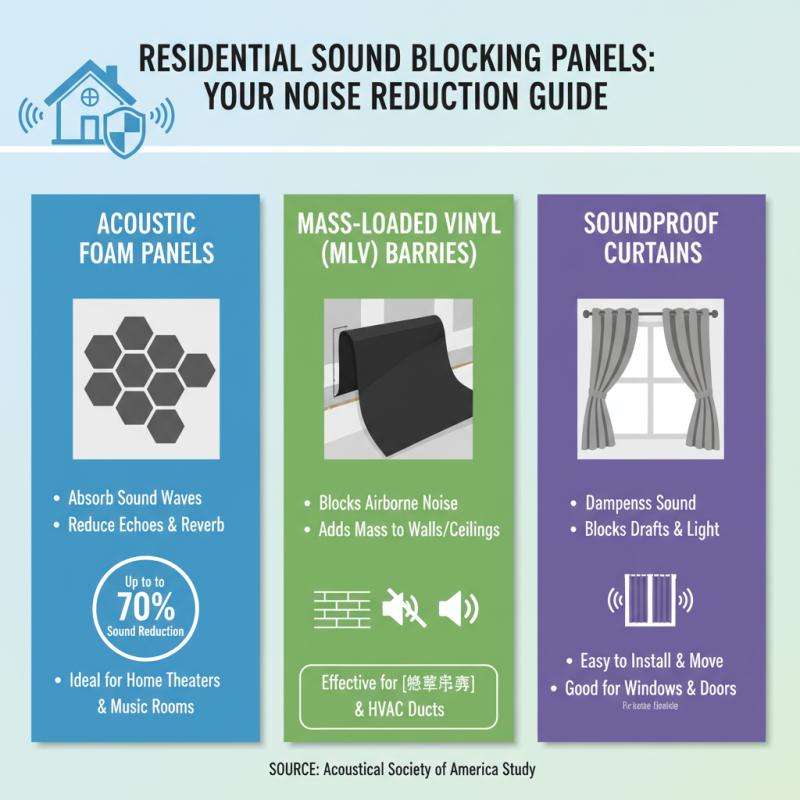
When it comes to managing noise levels in residential spaces, sound blocking panels have become an essential solution for many homeowners. These panels come in various types, each effective in addressing different noise-related needs and challenges. Among the most commonly used types are acoustic foam panels, mass-loaded vinyl (MLV) barriers, and soundproof curtains. Acoustic foam panels are particularly popular for their ability to absorb sound waves and reduce echoes in rooms. According to a study by the Acoustical Society of America, these panels can reduce sound transmission by up to 70%, making them an effective choice for home theaters and music rooms.
Mass-loaded vinyl barriers are another effective option, offering significant noise reduction by adding weight to walls and ceilings. This type of panel can be particularly useful in urban settings where external noise pollution is a concern. Reports indicate that MLV can block up to 95% of sound from passing through walls, making it ideal for bedrooms or shared living spaces where privacy is desired. Lastly, soundproof curtains present a flexible solution; particularly easy to install, these can reduce noise by around 30-50%, depending on the thickness and material used, according to industry research. This makes them suitable for those who want to improve their home's sound environment without permanent alterations.
Tips for Effective Installation and Placement of Sound Blocking Panels
When it comes to minimizing noise and creating a peaceful environment in your home, sound blocking panels play a crucial role. To maximize their effectiveness, proper installation and strategic placement are key. One important tip is to identify the primary noise sources in your home, such as windows, doors, or shared walls. By focusing your sound blocking efforts in these areas, you can significantly reduce noise infiltration.
Another effective strategy is to consider the material and thickness of the panels. Thicker panels usually provide better sound absorption, so placing them in places where noise levels are highest can prove beneficial. For instance, mounting panels on walls adjacent to busy streets or in entertainment rooms can enhance your overall soundproofing efforts. Additionally, remember to install the panels at varying heights; this will help with sound dispersion, allowing for a more comprehensive reduction in noise throughout the space.
Lastly, don't overlook the aesthetics. Choosing sound blocking panels that complement your room decor can make a significant difference in achieving both functionality and visual appeal. Arrange them in a way that not only serves the purpose of noise reduction but also enhances the overall ambiance of your space, creating a serene sanctuary away from the hustle and bustle of everyday life.