Why Sound Absorbing Wall Panels are Essential for Better Room Acoustics
In an increasingly noisy world, the need for effective sound management in our living and working spaces has never been more critical. Poor room acoustics can lead to distractions, frustration, and even decreased productivity. To combat these challenges, sound absorbing wall panels have emerged as a vital solution. These innovative acoustic treatments not only enhance the sound quality within a room but also contribute to a more pleasant and inviting atmosphere.
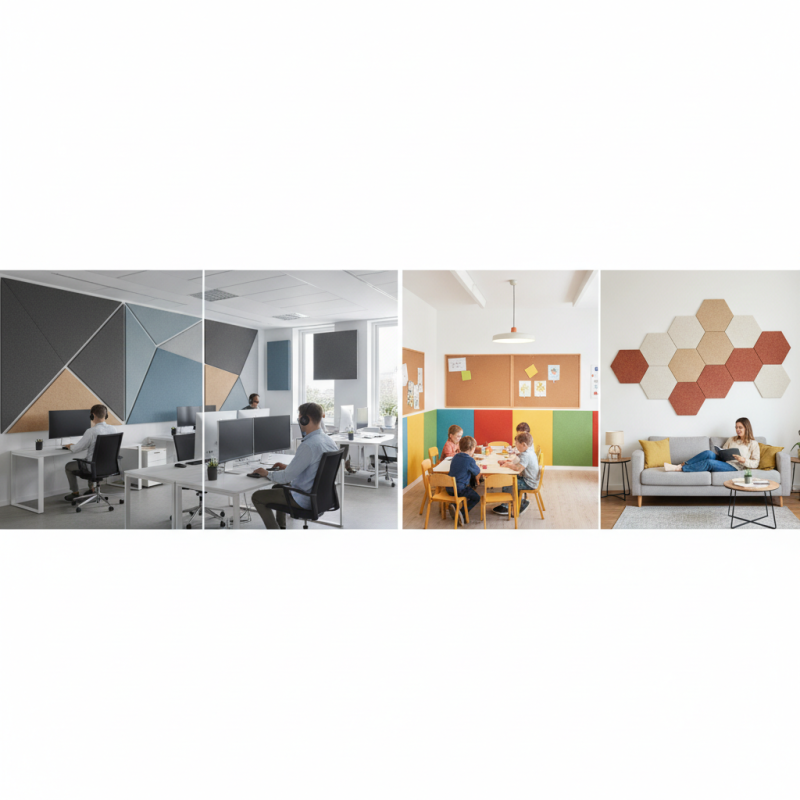
Sound absorbing wall panels are designed to minimize unwanted noise, reduce echoes, and improve overall acoustic conditions. By strategically placing these panels in various environments—such as offices, schools, and homes—individuals can significantly enhance their auditory experience. The effectiveness of sound absorbing wall panels lies in their ability to absorb sound energy, transforming spaces into quieter, more comfortable areas conducive to communication and focus. In this exploration, we will delve into the reasons why incorporating sound absorbing wall panels is essential for achieving optimal room acoustics, highlighting their functionality and benefits in diverse settings.
Understanding Room Acoustics and Its Importance for Sound Quality
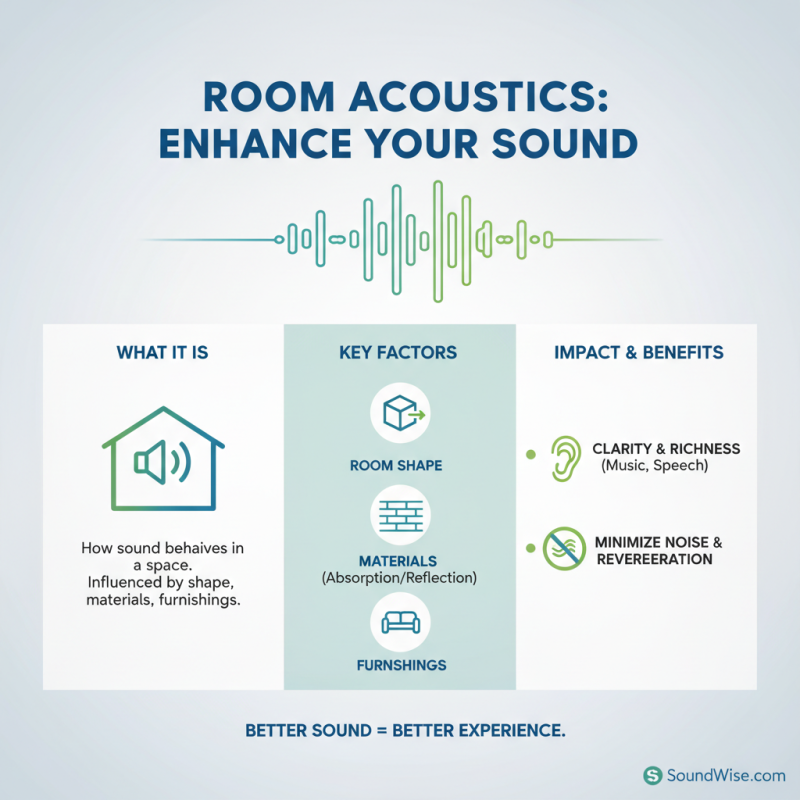
Room acoustics is a vital aspect of sound quality that profoundly impacts how we experience sound in various environments. The way sound behaves within a room is influenced by factors such as room shape, materials used in construction, and furnishings. Good acoustics can greatly enhance the clarity and richness of sound, whether it’s in a concert hall, an office space, or a home theater. Understanding how sound waves interact with surfaces allows us to create environments that minimize unwanted noise and reverberation, leading to a more enjoyable auditory experience.
Sound absorbing wall panels play a crucial role in achieving optimal room acoustics by reducing echoes and controlling sound reflections. These panels are designed to absorb specific frequencies of sound, effectively minimizing disturbances caused by excess noise. In spaces like recording studios or classrooms, the need for clear communication and accurate sound reproduction is paramount. By strategically placing sound absorbing panels, it's possible to tailor the acoustic environment, ensuring that every sound is delivered with precision. This not only enhances the functionality of the space but also contributes to mental well-being by creating a more serene atmosphere.
The Role of Sound Absorbing Wall Panels in Acoustic Treatment
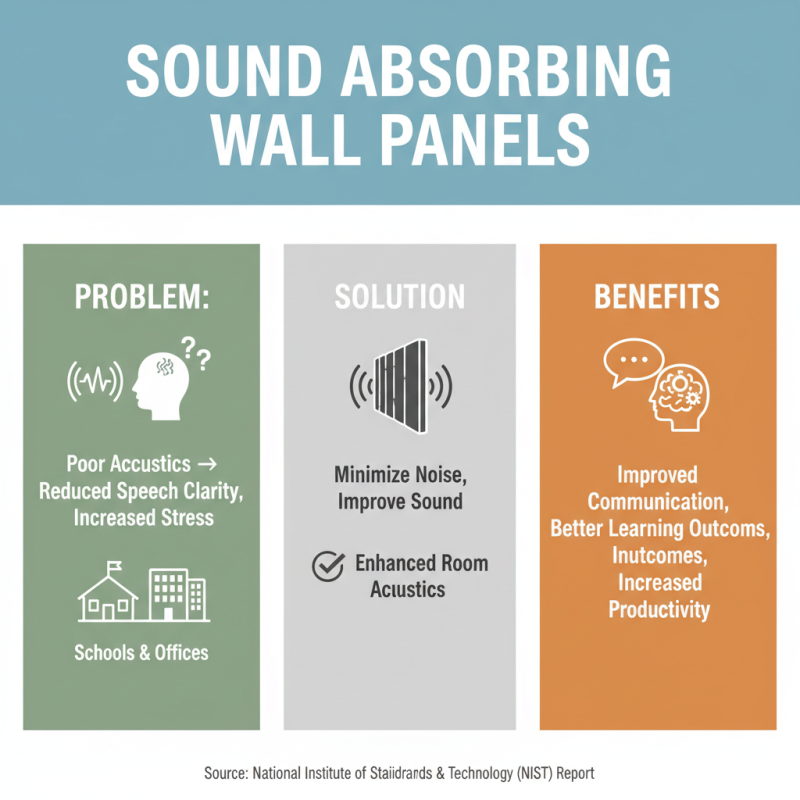
Sound absorbing wall panels play a pivotal role in enhancing room acoustics by minimizing unwanted noise and improving sound clarity. According to a report by the National Institute of Standards and Technology, poor acoustics can lead to reduced speech intelligibility and increased stress levels in both residential and commercial spaces. In environments such as schools and offices, where effective communication is paramount, the implementation of sound absorbing materials has been shown to improve learning outcomes and employee productivity.
Research from the Acoustical Society of America indicates that improper sound management can create echo and reverberation, significantly detracting from the overall auditory experience. The use of wall panels strategically placed around a room can effectively absorb sound waves, decreasing the reverberation time by up to 50%. This reduction in reverberation not only enhances the acoustic quality but also contributes to a more pleasant and comfortable atmosphere where conversations can be heard clearly and without distraction. The appropriate selection and installation of sound absorbing panels are essential for any acoustic treatment plan aimed at creating optimal sound environments.
Types of Sound Absorbing Materials Used in Wall Panels
Sound absorbing wall panels play a pivotal role in enhancing room acoustics, making them essential for various environments such as studios, offices, and homes.
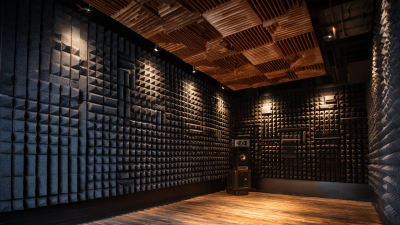
These panels are made from a variety of sound absorbing materials that effectively minimize noise levels and improve sound quality. Common materials used include foam, fiberglass, mineral wool, and textiles.
Foam panels are lightweight and offer excellent sound absorption, while fiberglass is great for both thermal insulation and noise control.
Mineral wool provides dense sound absorption properties, making it ideal for high-noise areas. Additionally, textured fabrics can add aesthetic value while also helping to dampen sound.
When choosing sound absorbing materials for wall panels, consider the specific acoustic needs of your space. For instance, if you need to reduce mid to high-frequency sounds, opt for thicker panels made from fiberglass or mineral wool. Conversely, for spaces that predominantly deal with low-frequency sounds, adding bass traps made from dense foam can be particularly effective.
Tips for installation include ensuring the panels are positioned at the optimal height to catch sound waves effectively, as well as using multiple layers or varying panel sizes to disrupt sound paths better. This approach not only improves sound quality but also adds a stylish element to your room's design.
Properly placed sound absorbing panels can drastically transform your space, making it more conducive to conversation, music, or relaxation.
Benefits of Installing Sound Absorbing Wall Panels in Various Spaces
Installing sound absorbing wall panels can significantly enhance the acoustics of various spaces, leading to a more comfortable and productive environment. According to a report by the Acoustical Society of America, poorly designed acoustics can contribute to a 60% drop in employee productivity in workplaces due to distractions caused by excessive noise. Sound absorbing wall panels effectively reduce reverberation time and cut down on unwanted noise, creating a quieter atmosphere that's conducive to focus and collaboration.
In educational settings, sound absorption is equally crucial. Research from the National Institute for Occupational Safety and Health indicates that students in classrooms with controlled acoustics score 25% higher on learning assessments. Installing wall panels can help minimize background noise, allowing students to hear their teachers clearly and engage in group activities without distraction. Whether in offices, schools, or public spaces, the strategic use of sound absorbing wall panels contributes to improved speech clarity and overall acoustic comfort, making them an essential investment in enhancing the user experience across various environments.
Benefits of Sound Absorbing Wall Panels in Various Spaces
Factors to Consider When Choosing Sound Absorbing Wall Panels
When selecting sound absorbing wall panels to enhance room acoustics, several factors must be considered to ensure optimal performance. Firstly, the material composition of the panels plays a critical role in their sound absorption capabilities. According to the National Acoustics Association, materials like fiberglass, foam, and certain fabric coverings can significantly reduce noise levels by up to 70%, depending on the frequency of the sound. It is essential to choose panels that are designed for specific sound frequencies to better address the unique acoustic challenges of the room, whether it’s a home theater, conference room, or a music studio.
Another crucial aspect to consider is the panel thickness and density. Research indicates that thicker panels tend to absorb lower frequencies more effectively, while thinner panels are better suited for higher frequencies. The Acoustical Society of America reports that a panel thickness of at least 2 inches is often ideal for achieving a balanced sound profile. Additionally, the placement of these panels within the room can dramatically influence their effectiveness. Strategic positioning—such as using wall-mounted panels at first reflection points or in areas with significant sound reverberation—can optimize sound control and improve overall acoustic quality. By thoroughly evaluating these factors, one can make informed decisions that lead to a more pleasant auditory environment.
Why Sound Absorbing Wall Panels are Essential for Better Room Acoustics - Factors to Consider When Choosing Sound Absorbing Wall Panels
| Factor |
Details |
Importance |
| Material Type |
Foam, Fabric, Wood, etc. |
Affects absorption qualities |
| Thickness |
Typically ranges from 1 to 4 inches |
Thicker panels provide better absorption |
| Density |
Higher density materials absorb sound better |
Critical for soundproofing |
| Aesthetic Design |
Color, texture, and style options |
Enhances room decor |
| Installation Type |
Wall-mounted, freestanding, or ceiling-installed |
Impacts room layout |
| Fire Rating |
Check for fire safety certifications |
Ensures safety compliance |
| Cost |
Varies widely based on factors listed |
Budget consideration for projects |