How to Choose the Best Silver Travertine?
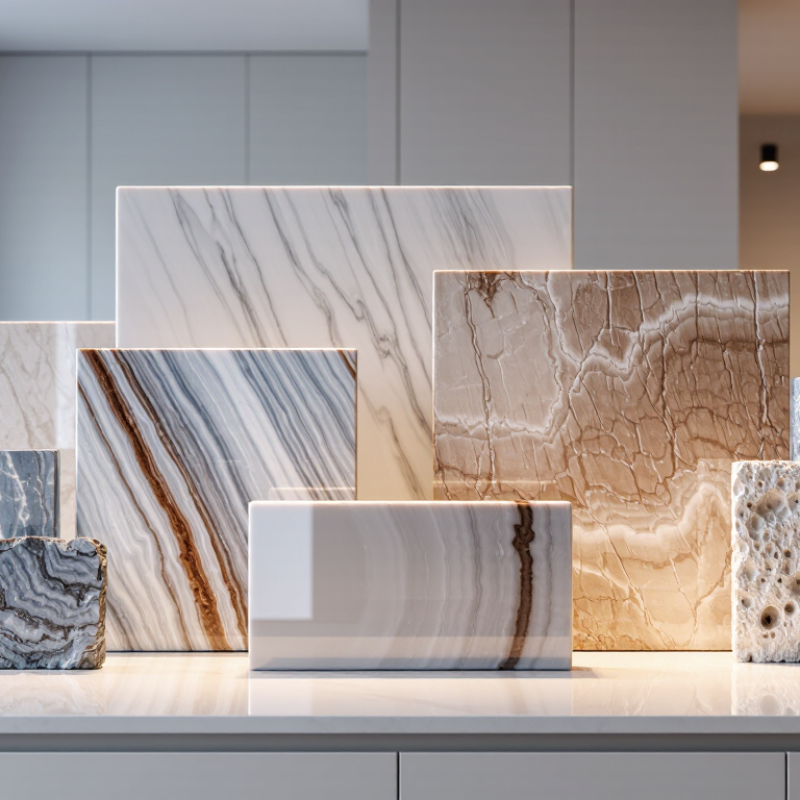
Silver Travertine can look cool, warm, cloudy, or almost silver-blue, depending on the stone and the light around it. A polished sample under showroom lamps may feel very different beside a kitchen window. That small difference matters.
For this draft, an illustrative stone-selection expert, Elena Rossi, sums up the choice this way: “Choose the stone you can live with in your own light, not the one that wins under showroom lights.” This is an original illustrative quote, not a verified statement from a real, named professional. The advice is practical: view several pieces, then compare them in the room where the stone will be installed.
Look closely. Check the background tone, the movement of the veining, and the presence of filled or open pores. Ask the supplier how the material is finished and what care it needs. A honed surface may feel quieter than a polished one, while natural variation can make a large installation appear less uniform. Neither is automatically better. The right choice depends on the intended use, your tolerance for variation, and the look you want to keep seeing every day.
One sample is rarely enough. Lay several pieces together, inspect them in daylight and evening light, and ask how closely the delivered material may match. Even careful selection has limits; natural stone is not perfectly consistent. This guide explains what to compare before choosing Silver Travertine for your space.
Understanding Silver Travertine and Its Natural Characteristics
Silver travertine is a natural limestone formed as mineral-rich water deposits calcium carbonate over time. Its “silver” appearance is a color range, not a fixed shade. A slab may show cool gray, soft beige, taupe, or faint rust-colored markings. Fine veins and cloudy bands are common, and their pattern can shift noticeably from one piece to another. Expect variation. Small cavities may remain visible because travertine is naturally porous. These openings can be filled during processing, left open, or emphasized with a textured finish.
When assessing a sample, look at it in daylight and under the room’s planned lighting. Colors can appear cooler in shade and warmer beside wood or cream-colored walls. Check both dry and slightly damp surfaces; moisture often deepens the tones. That matters. Also examine the finish: honed stone feels smooth and understated, while tumbled surfaces have softer edges and a more weathered look. Ask how the stone has been filled and sealed, since these details affect appearance and routine care. A small sample cannot show every vein or color shift in a larger installation. Even careful comparisons can mislead, so allow for natural variation rather than expecting every tile to match.
Comparing Color, Veining, and Surface Variation
How to Choose the Best Silver Travertine?
Comparing Color, Veining, and Surface Variation
Silver travertine can appear cool gray, warm beige, or softly taupe. The balance changes with daylight and nearby finishes. Look at samples beside your cabinets or flooring, not under showroom lights alone. Fine veins may create a quiet, cloudy look, while stronger bands give a surface more movement. Neither is automatically better. Check whether the pattern feels calm across a larger area.
Surface variation matters just as much. Some tiles have open pits; others are filled and honed to feel smoother. Run your hand across a sample and inspect its edges. A polished finish can deepen the stone’s color, while a matte finish often softens it. Remember that natural stone varies from piece to piece. One sample may not represent an entire shipment, and that can be frustrating.
Tips: Ask to view several pieces together, preferably from the same lot. Check them in both daylight and warm indoor light. For floors, consider texture and expected maintenance, not appearance alone. I once favored the most dramatic veining, then found it visually busy across a full room. Take time to compare.
How to Choose the Best Silver Travertine?
Compare color, veining, and surface variation when assessing a sample. The scores below are an illustrative 1–5 selection-priority guide, not measured product data; adjust them to suit your project.
Matching Travertine Properties to Your Intended Use
Match silver travertine to the room’s moisture, traffic, and maintenance demands—not its color alone. For a shower or busy bathroom floor, inspect filled samples and ask for test results from the actual lot. ASTM C97 measures water absorption, while ASTM C880 measures flexural strength; both help compare stones, but neither predicts every installation outcome. Test the actual lot. A polished sample can also feel different from the installed surface when wet.
For level interior floors that may get wet, ANSI A326.3 uses a wet dynamic coefficient of friction of 0.42 as a benchmark. It is not a guarantee against slipping, so consider texture, drainage, and cleaning habits too. The Natural Stone Institute’s Dimension Stone Design Manual offers guidance on selecting and installing stone for its intended setting. Near cooking areas, remember that travertine is calcium-based and can etch from acidic spills; a pale lemon mark may remain even after wiping. A honed finish can soften glare, though it may show wear differently. A limitation worth weighing: no single test number captures appearance, upkeep, and site conditions together.