2026 How to Choose Acoustic Baffles for Soundproofing?

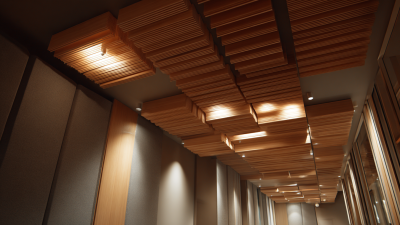
Choosing the right acoustic baffles for soundproofing can significantly improve your space's acoustics. Acoustic baffles help absorb sound, reducing echoes and enhancing clarity. These panels come in various sizes and materials, making selection crucial.

Not all acoustic baffles are created equal. Some work better in specific environments than others. Selecting the wrong type might lead to unsatisfactory results. It’s important to consider your space's layout and intended use. For example, a small room may require different baffles compared to a large hall.

Think about aesthetics as well. Acoustic baffles can be sleek and modern, pairing function with design. However, your choices might clash with your decor. Finding balance is key. Evaluating your options carefully will lead to better outcomes. An informed decision can transform your auditory experience.
2026 How to Choose Acoustic Baffles for Soundproofing?

Understanding Acoustic Baffles and Their Role in Soundproofing

2026 How to Choose Acoustic Baffles for Soundproofing?

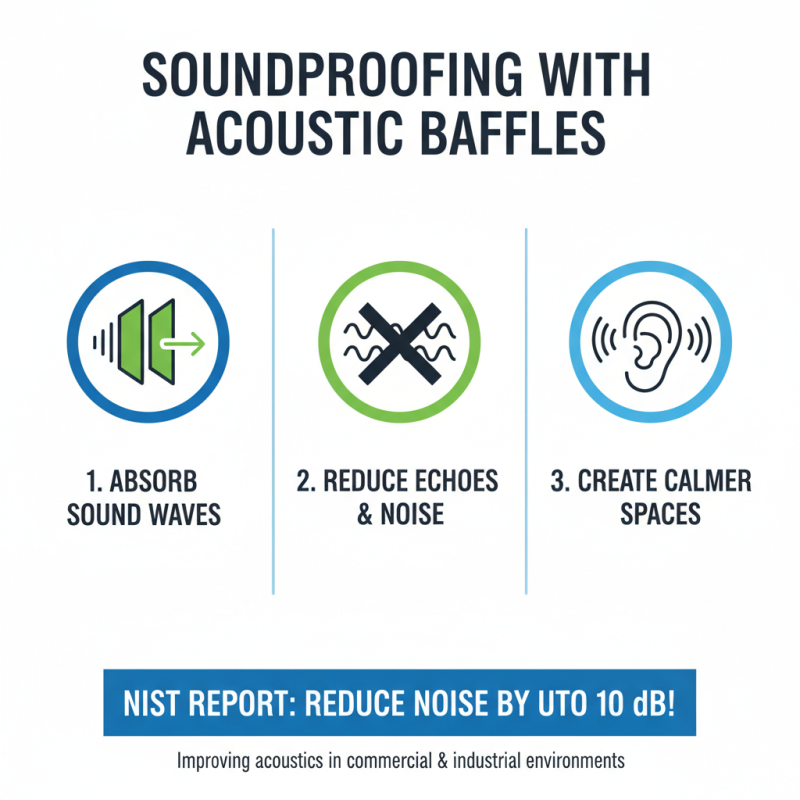
Acoustic baffles play a crucial role in soundproofing spaces, especially in commercial and industrial environments. According to a report by the National Institute of Standards and Technology, properly installed baffles can reduce noise levels by up to 10 decibels. This reduction significantly enhances the quality of sound in various settings. They absorb sound waves, reducing echoes and noise, creating a more pleasant atmosphere.

Different materials and designs result in varying performance levels. Acoustic baffles are often made from foam, mineral wool, or fiberglass. Each material has distinct absorption qualities that impact efficiency. A study by the Acoustical Society of America found that the thickness and density of the baffle material can enhance sound absorption capabilities. Visual appeal is also important. The aesthetics of baffles can influence how they fit into a space while still working effectively.

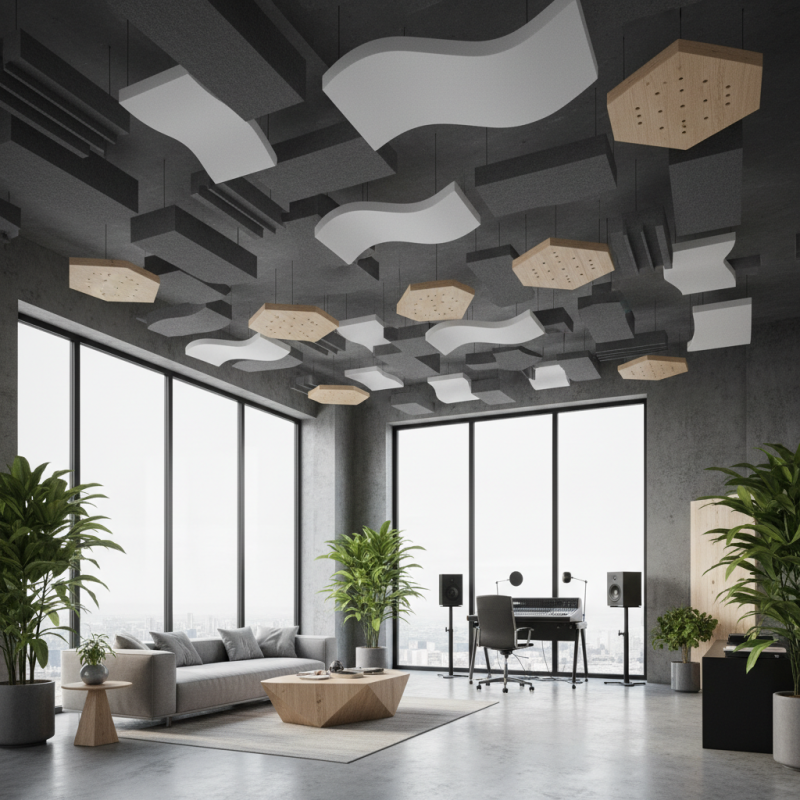
The placement and configuration of baffles matter as well. Installing them strategically ensures optimal sound control. Mistakes in installation can lead to inadequate soundproofing. Users should consider the unique characteristics of their environment before making decisions. Consider experimenting with different designs and placements. An informed approach will yield better noise control outcomes.
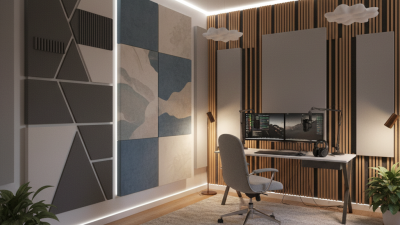
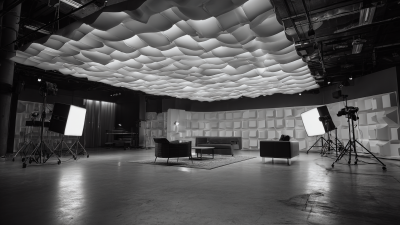
Key Factors to Consider When Choosing Acoustic Baffles

When choosing acoustic baffles for soundproofing, several factors come into play. The material used in baffles significantly impacts sound absorption. Look for materials like foam or fiberglass, which are effective in minimizing noise. Also, consider the thickness of the baffles. Thicker baffles usually absorb more sound, but they may also take up more space.

Placement is crucial in optimizing acoustic performance. Ceiling-mounted baffles may be beneficial in large spaces, while wall-mounted options can be more effective in smaller rooms. The arrangement of baffles can also influence sound distribution. Random placement may reduce echoes but can lead to uneven absorption. Take your time to plan their locations carefully.

Aesthetics shouldn't be overlooked. Baffles come in various colors and designs. They can blend with your decor or stand out as features. While you focus on functionality, think about how they will fit into your environment. Balancing soundproofing needs with visual appeal can be tricky, and it may require a little experimentation to get it right.

2026 How to Choose Acoustic Baffles for Soundproofing? - Key Factors to Consider

This chart illustrates the key factors to consider when choosing acoustic baffles for soundproofing. Each factor is rated on a scale of 1 to 10 based on its importance, providing a visual perspective on how critical material type, thickness, density, surface area, and installation method are in achieving optimal soundproofing results.

Types of Acoustic Baffles: Advantages and Disadvantages

Acoustic baffles are essential for controlling sound in large spaces. There are several types, each with unique benefits and drawbacks. Suspended baffles are popular for their flexibility. They hang from ceilings, allowing sound waves to be absorbed from multiple angles. However, they can be difficult to install.

Wall-mounted baffles provide a more permanent solution. They are effective for reducing echoes and improving speech clarity. But they can take up wall space, which may not be suitable for smaller rooms. Fabric-covered baffles offer aesthetic value, coming in various colors and designs. Yet, they may require more maintenance and cleaning over time.

Tips: Think about the space you have. Reflect on your soundproofing goals. Consider whether aesthetics or functionality matters more. Test different types before making a decision to ensure you find the right fit for your needs.

2026 How to Choose Acoustic Baffles for Soundproofing? - Types of Acoustic Baffles: Advantages and Disadvantages

Type of Acoustic Baffle Advantages Disadvantages Best Use Cases
Fiberglass Baffles Excellent sound absorption, lightweight, cost-effective Can release glass fibers if damaged, limited aesthetic options Studios, auditoriums, and industrial areas
Foam Baffles Lightweight, easy to install, effective for mid-high frequency absorption Less effective for low frequencies, can degrade over time Home theaters, music rooms, and offices
Wooden Baffles Aesthetic appeal, effective at lower frequencies, durable Usually more expensive, requires more maintenance Concert halls, restaurants, and offices seeking a stylish look
Perforated Acoustic Panels Good sound absorption over a wide frequency range, customizable design Can be expensive, installation can be complex Modern offices, public spaces, and theatres

Placement Strategies for Maximum Soundproofing Effectiveness

When choosing acoustic baffles for soundproofing, placement is key. The position of each baffle can significantly influence its effectiveness. Start by identifying noise sources in the room. Place baffles close to walls or ceilings where sound waves bounce. This can help in absorbing sound before it travels further. Experiment with different heights and angles to see what works best.

Consider the layout of your space. If you have high ceilings, you may need to hang baffles lower. Too high, and they may be less effective. In corners, baffles can work well to trap low frequencies. But be mindful; too many baffles can create an echo. It’s a delicate balance. Observe the sound reflection patterns after placement. Adjust as needed.

Visualize the final arrangement. A cluttered look may not appeal to everyone, but functionality trumps aesthetics. Take notes on the dampening effects you notice over time. This process can be trial and error. Reflect on what placements lead to quieter environments or enhanced clarity. Always keep in mind that sound behavior varies with each unique space.

Maintenance Tips for Acoustic Baffles to Ensure Longevity

2026 How to Choose Acoustic Baffles for Soundproofing?

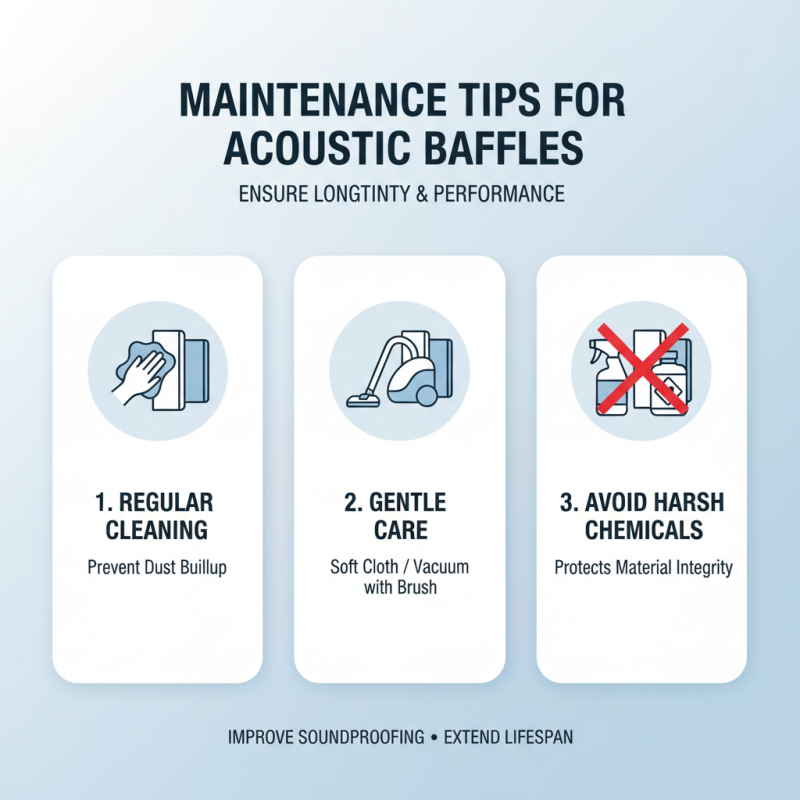
Acoustic baffles can significantly improve soundproofing. However, maintaining them is crucial for longevity. Regular cleaning is essential to prevent dust buildup. This can diminish their effectiveness. Use a soft cloth or vacuum with a brush attachment for gentle care. Avoid harsh chemicals that may damage the material.

Monitor the installation area for moisture. Excess humidity can warp baffles. Ensure proper ventilation in the space. If you notice mold, it’s vital to address it immediately. Replace any damaged baffles to maintain sound quality. A little oversight can lead to bigger issues later.

Consider the baffles' placement and check them regularly. Over time, they may shift or become less effective. Adjusting their position can optimize their sound-absorbing properties. Lastly, communicate with fellow users about their experiences. Sharing tips can improve everyone’s baffle maintenance routine.