Best Freeze Dry Candy Tips and Tricks for Delicious Treats?
Freeze Dry Candy is a unique treat that has captured the interest of many candy lovers. This innovative process enhances flavors and creates a delightful crunch. When done correctly, it transforms ordinary sweets into extraordinary delights. However, achieving perfect results can be tricky.
Many enthusiasts share their tips and tricks. Experimentation is key, but mistakes can happen. Temperatures and timing matter. A candy batch can end up too dry or too chewy. But don’t let these imperfections discourage you; they can lead to new discoveries.
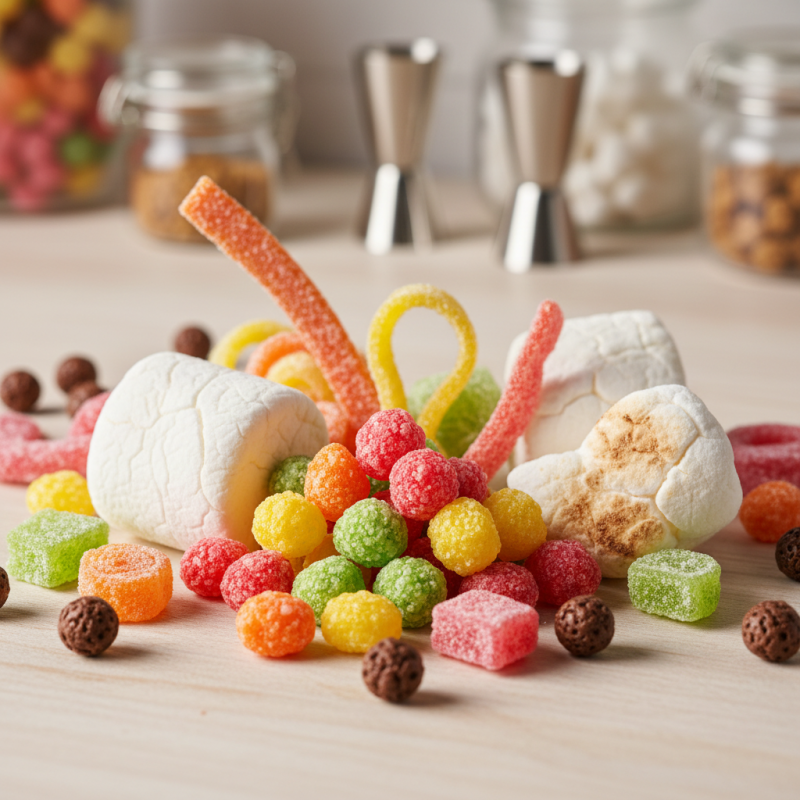
Consider, too, the variety of candies that can be freeze-dried. From gummy bears to marshmallows, the possibilities are vast. Each candy has its own quirks. This exploration is what makes creating Freeze Dry Candy so enjoyable. Embrace the challenges and let your creativity soar!
Understanding Freeze Drying: The Science Behind the Process
Freeze drying is a fascinating process that removes moisture from food, preserving its flavor and nutrients. This method has been used since the 1940s and gained popularity in various sectors, including food preservation and pharmaceuticals. According to industry reports, freeze drying can retain up to 90% of a food's original flavor and nutritional value.
The science behind freeze drying involves three main stages: freezing, primary drying, and secondary drying. First, food is frozen at a temperature of -40°F (-40°C) or lower. Then, pressure is decreased to allow the ice to sublime directly from solid to vapor. Finally, secondary drying removes any remaining moisture. This technique is known for producing lightweight snacks ideal for camping or emergency supplies.
Tip: Always ensure your food is fully frozen before starting the process. Incomplete freezing can lead to uneven drying.
Keep in mind that not all fruits and candies freeze dry the same way. For example, high water content fruits may require longer drying times. Some items may even turn out chewy rather than crispy. Experimenting is key to understanding what works best for each type of treat.
Tip: Use smaller pieces for quicker and more even drying. This way, you won’t waste time or ingredients.
Choosing the Right Candy for Freeze Drying: Best Options Explained
Choosing the right candy for freeze drying can make or break your experience. A few options stand out due to their textures and flavors. Popular choices include marshmallows, gummy candies, and hard candies. These candies retain their taste and shape well after the freeze-drying process. However, some candies can be tricky.
For example, chocolate-covered candies might not be the best choice. The chocolate can become chalky and lose its appealing texture. Similarly, candies that are overly sticky may clump together during freezing. It's crucial to test small batches if you are unsure. This trial-and-error process can be rewarding, leading to delightful treats.
Also, consider the humidity in your area. In a more humid environment, some candies might absorb moisture and become less appealing. Experimenting with various candies can teach you a lot about freeze drying. Staying aware of these factors is essential. Enjoy the journey of discovering new flavors and enjoy your freeze-dried creations.
Best Freeze Dry Candy Tips and Tricks for Delicious Treats
| Candy Type | Freeze Drying Suitability | Texture After Freeze Drying | Flavor Retention |
| Gummy Bears | Excellent | Crunchy and airy | Good |
| Marshmallows | Very Good | Light and crispy | Excellent |
| Fruit Chews | Good | Brittle | Very Good |
| Chocolate | Not Recommended | Oily and crumbly | Fair |
| Hard Candy | Excellent | Crispy | Good |
Preparing Your Candy: Tips for Optimal Freeze Drying Results
When preparing candy for freeze drying, attention to detail is crucial. Start by ensuring your candy is fresh. The moisture level should be minimized, as excess moisture can lead to undesirable textures. According to industry data, the ideal moisture content for freeze-dried candy is less than 10%. This helps maintain flavor and structure.
Cutting candy into uniform pieces is vital. Smaller, evenly sized treats freeze dry more efficiently. Inconsistent sizes can result in uneven drying, leading to some pieces being overly hard while others remain chewy. A study from food processing experts indicates that uniformity in size can enhance the overall yield by up to 15%.
Storage also plays a key role in maintaining your candy's quality. Use airtight containers to protect against moisture reabsorption. Even slight humidity can ruin the texture and flavor. Regularly check stored items for signs of moisture. Remember that not all candies respond well to freeze drying. Some might need adjustments, such as additional pre-freezing to achieve the best results. Modify your approach based on the consistency and ingredients of your candies. Each batch can provide valuable lessons for the next round.
Post-Freeze Drying: Storing and Enjoying Your Treats
After freeze-drying your candy, proper storage is crucial. Use airtight containers to keep moisture out. Glass jars work great. Remember to label your treats with the date. This helps you track their freshness.
To enjoy your freeze-dried candy, consider rehydrating them. Simply add a few drops of water and let them sit. This can refresh the flavors and make them more enjoyable. Experimenting with different methods can lead to delightful surprises.
When it comes to storage location, keep your treats in a cool, dark place. Heat and sunlight can diminish flavor and texture. Avoid high-humidity areas, like kitchens. These can ruin your hard work. Reflect on how different storage can affect your sweet treats. It’s worth experimenting to find the best method for you.
Creative Ways to Use Freeze Dried Candy in Recipes
Freeze-dried candy has taken the culinary world by storm. Its unique texture and intense flavors make it a fantastic addition to various recipes. According to recent industry reports, the freeze-dried candy market is expected to grow by over 8% annually. This trend reflects the increasing popularity of creative dessert solutions.
Using freeze-dried candy in recipes can elevate desserts in unexpected ways. Add it to cake batters for a burst of flavor. Crushed freeze-dried strawberries can be sprinkled over whipped cream or yogurt for a decorative finish. Their crunchy texture adds a delightful twist to soft treats. Mix them into cookies for a surprise element. The possibilities are endless.
Experimentation is key. Sometimes, combinations may not work as intended. For example, blending too many flavors can overwhelm. Balance is crucial. Using freeze-dried candy requires practice. Understanding which flavors complement each other is a learning journey. It may take several trials to achieve that perfect taste. Embrace the process, and don't be afraid to make mistakes.