How to Enhance Your Space with Sound Absorbing Art Tips for Better Acoustics
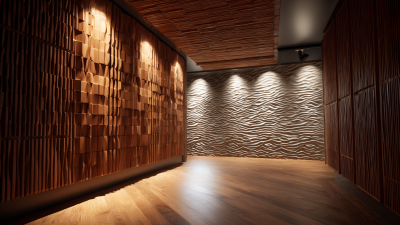
In modern interior design, the importance of creating an aesthetically pleasing and acoustically comfortable environment cannot be overstated. One innovative approach to achieving this balance is through the use of sound absorbing art. This type of art not only enhances the visual appeal of a space but also plays a crucial role in improving the acoustics of a room. By strategically placing sound absorbing art pieces, you can significantly reduce noise levels and create a more serene atmosphere, making it ideal for homes, offices, or any public spaces.
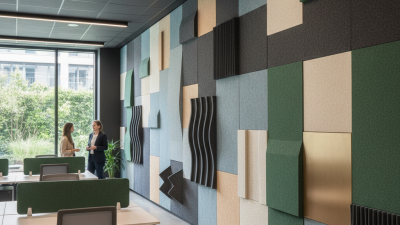
Sound absorbing art comes in various forms, from textiles and murals to sculptures and wall panels, each offering a unique way to blend creativity with functionality. Incorporating these pieces allows individuals to express their personal style while also addressing sound-related challenges, such as echoes or reverberation. In this guide, we will explore practical tips on how to choose and position sound absorbing art effectively, ensuring that you can transform your space into a harmonious sanctuary where both visual beauty and acoustic excellence coalesce.

Understanding Sound Absorption and Its Importance in Interior Design
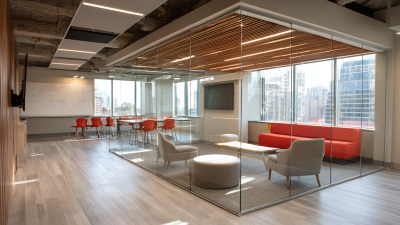
Sound absorption plays a pivotal role in interior design, influencing not just the aesthetic appeal of a space, but also its functionality. In environments where clarity of sound is essential, such as offices, studios, or homes, addressing acoustics becomes paramount. Effective sound absorption can reduce echoes and background noise, creating a more inviting atmosphere. This is particularly important in open-concept spaces, where sound waves can bounce off walls and other surfaces, leading to a cacophony that detracts from the intended purpose of the area.
Integrating sound-absorbing materials into your interior design can be both practical and artistic. Options such as acoustic panels, carpets, heavy drapes, and specially designed art pieces can enhance aesthetic value while serving the functional need for sound control. By choosing colors and designs that resonate with the overall theme of the space, these elements can contribute to a cohesive look while improving the acoustic environment. Whether it’s through wall hangings that absorb sound or sculptures designed with sound-dampening properties, leveraging art forms to enhance acoustics can transform not only how a space looks but also how it feels, fostering a more serene and enjoyable experience.
Types of Sound Absorbing Materials for Art Installations
Sound absorbing art installations are an innovative way to improve the acoustics of a space while simultaneously enhancing its aesthetic appeal. Various materials can be utilized to create these art pieces, each offering unique sound-absorbing properties. For instance, natural fibers such as wool and cotton have been reported to reduce sound reflections significantly. According to a report by the Acoustical Society of America, the use of textile materials can reduce room reverberation by up to 70%, making environments more comfortable and conducive to communication.
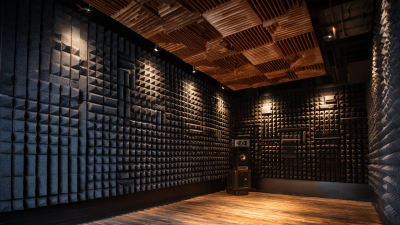
In addition to textiles, foam and mineral-based materials are popular choices for sound absorbing art. Acoustic foam panels are designed to trap sound waves, effectively preventing them from bouncing off hard surfaces. Data from the National Institute of Standards and Technology indicates that strategically placing these foam designs can improve sound absorption coefficients by as much as 0.9 in certain frequencies. Meanwhile, panels made from mineral wool not only provide excellent sound absorption but also contribute to fire safety, providing dual benefits for those looking to enhance both the look and safety of their spaces.
Incorporating biophilic design elements, such as green walls or installations made from sustainable materials, can also enhance acoustic performance. Research published in the Journal of Environmental Psychology found that indoor plants can absorb sound energy while promoting well-being. By thoughtfully integrating these materials into art installations, individuals can create visually stunning and acoustically favorable environments, contributing to a harmonious balance between aesthetics and functionality.
Sound Absorbing Materials Effectiveness
How to Choose the Right Sound Absorbing Art for Your Space
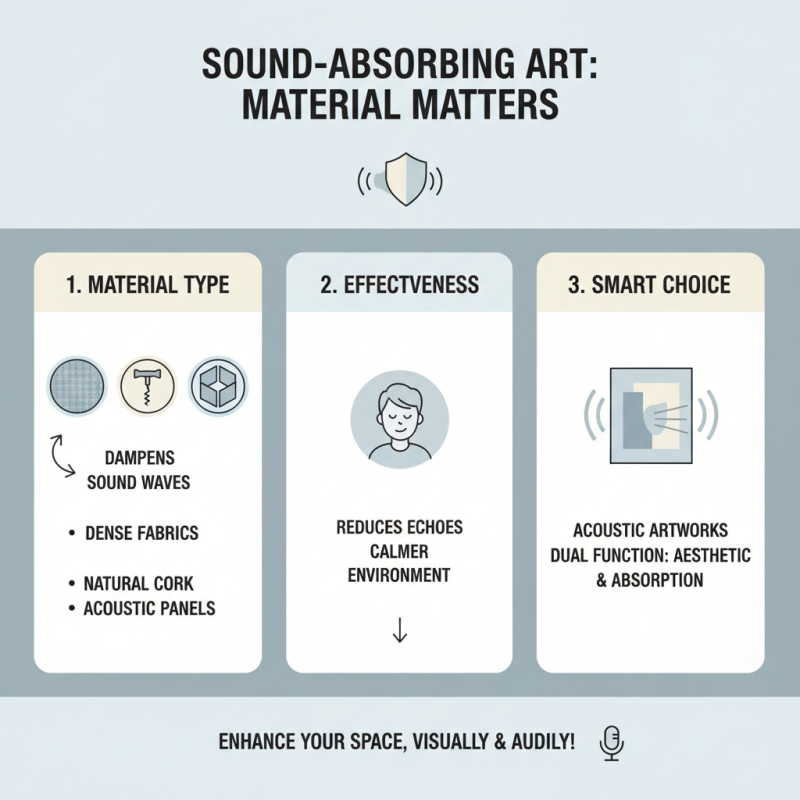
When selecting the right sound-absorbing art for your space, the first consideration should be the type of material used. Look for artworks made from dense materials, such as fabric, cork, or specially designed acoustic panels. These materials are effective at dampening sound waves and reducing echoes, making your environment more pleasant. Additionally, consider pieces that are specifically marketed as acoustic art, as they are designed with sound absorption in mind while also providing aesthetic appeal.
The size and placement of your sound-absorbing art are also crucial elements to consider. Larger pieces can cover more surface area, enhancing their sound-absorbing properties while also serving as focal points in a room. It's important to distribute these artworks evenly across the walls, especially in areas where sound reflection is a concern. Positioning them at various heights can further optimize sound absorption, creating a more balanced acoustic experience. By carefully selecting materials, sizes, and placements, you can transform your space into a more acoustically friendly environment without sacrificing style.
Placement Strategies for Maximizing Acoustic Performance
Placement is crucial when looking to maximize the acoustic performance of sound-absorbing art. One effective strategy is to hang these pieces at ear level, typically between four to six feet off the ground. This positioning ensures optimal sound absorption where it matters most, helping to reduce echo and improve the overall acoustic quality of a room. Additionally, consider placing art on walls that face each other, as this creates a barrier to sound waves bouncing back and forth, which can enhance clarity and reduce distractions in spaces meant for conversation or focused work.
Another important factor to consider is the arrangement of the artwork. Incrementally layering pieces across multiple surfaces—walls, ceilings, and even above furniture—can create a more nuanced acoustic environment. For instance, incorporating art in corners or at varying heights can effectively disrupt sound waves, helping to minimize noise levels.
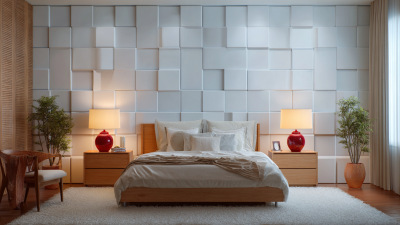
Moreover, strategically placing larger art pieces in densely populated areas, such as living rooms or conference rooms, can absorb more sound, while smaller, more decorative pieces can complement the acoustic treatment in quieter, more personal spaces like offices or bedrooms. By thoughtfully considering both height and arrangement, you can transform your environment into a more acoustically refined space.
Combining Aesthetics and Functionality in Sound Absorbing Art Design
Creating a harmonious environment goes beyond aesthetics; the integration of sound absorbing art plays a crucial role in enhancing acoustics while serving as a decorative element. According to a report by the Acoustical Society of America, poor acoustics can significantly affect productivity and well-being in both residential and commercial spaces. By thoughtfully incorporating sound absorbing materials into art design, you can improve sound quality and create an inviting atmosphere.
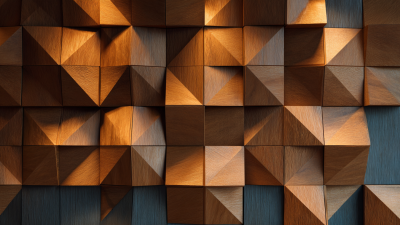
When designing your sound absorbing art, consider the right materials that offer both function and form. Acoustic panels can be artistically designed to blend seamlessly with your decor, adding visual interest while reducing unwanted noise. For instance, felt, fabric-wrapped panels, and wood composite materials are not only effective in sound absorption but can be customized to fit various themes and styles. Utilize these materials to infuse personality into your space without sacrificing acoustic performance.
Here are some tips to enhance your space with sound absorbing art: First, assess the primary sources of noise and identify where sound absorption is most needed. Second, strategically place art pieces in high-noise areas or in areas with hard surfaces that amplify sound. Lastly, don't hesitate to mix and match different textures and colors to create a cohesive look that reflects your personal style while improving acoustics. With the right approach, your sound absorbing art can transform your space into a sanctuary of both beauty and serenity.