How to Choose the Right Acoustic Tiles for Your Home Soundproofing Needs
When it comes to creating a serene and peaceful environment in your home, soundproofing is an essential consideration, and one effective solution is the use of acoustic tiles. These specialized tiles are designed to absorb sound and reduce noise levels, making them perfect for bedrooms, home theaters, and music studios. However, not all acoustic tiles are created equal, and choosing the right ones for your soundproofing needs can significantly impact the overall effectiveness of your sound control efforts.
In this guide, we will explore the various factors that should influence your selection of acoustic tiles. From material composition to thickness and design, understanding these elements will enable you to make an informed decision that aligns with your aesthetic preferences and acoustic requirements. Ultimately, the right acoustic tiles can enhance your living space by not only providing sound insulation but also contributing to the overall decor and ambiance of your home. Whether you're seeking to mute the sounds of a bustling city or simply wish to enjoy a quieter home environment, the right acoustic tiles can help you achieve the tranquility you desire.
Understanding Acoustic Tiles and Their Benefits for Soundproofing
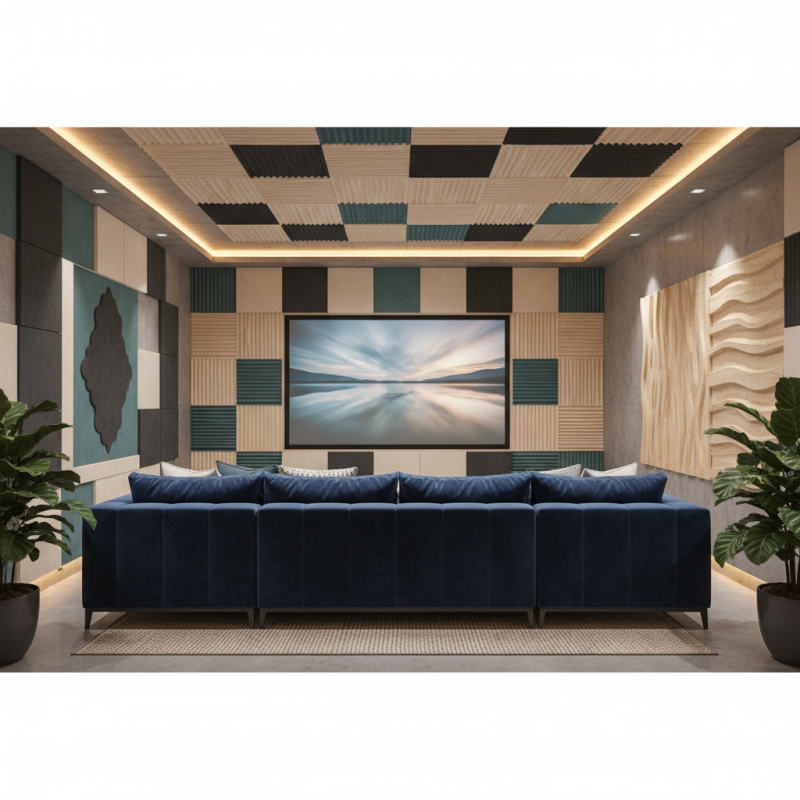
Acoustic tiles are specially designed panels that enhance sound absorption and reduce noise levels within a space. By understanding how these tiles work, homeowners can make informed decisions regarding their soundproofing needs. The primary benefit of acoustic tiles is their ability to minimize echo and reverberation, which is particularly useful in rooms where sound clarity is essential, such as home theaters, music studios, or offices. The absorption properties of these tiles are typically derived from materials that trap sound waves, preventing them from bouncing off hard surfaces.
Another advantage of acoustic tiles is their versatility in design and application. Available in various shapes, sizes, and colors, they can blend seamlessly with any interior decor while providing substantial sound reduction. Installation is often straightforward, allowing homeowners to customize their acoustic treatment according to specific needs and preferences. Whether aimed at creating a peaceful retreat from external noise or improving sound quality for recording, selecting the right acoustic tiles can significantly enhance the overall acoustic environment of a home, making it a more comfortable and enjoyable space.
Factors to Consider When Selecting Acoustic Tiles for Your Home
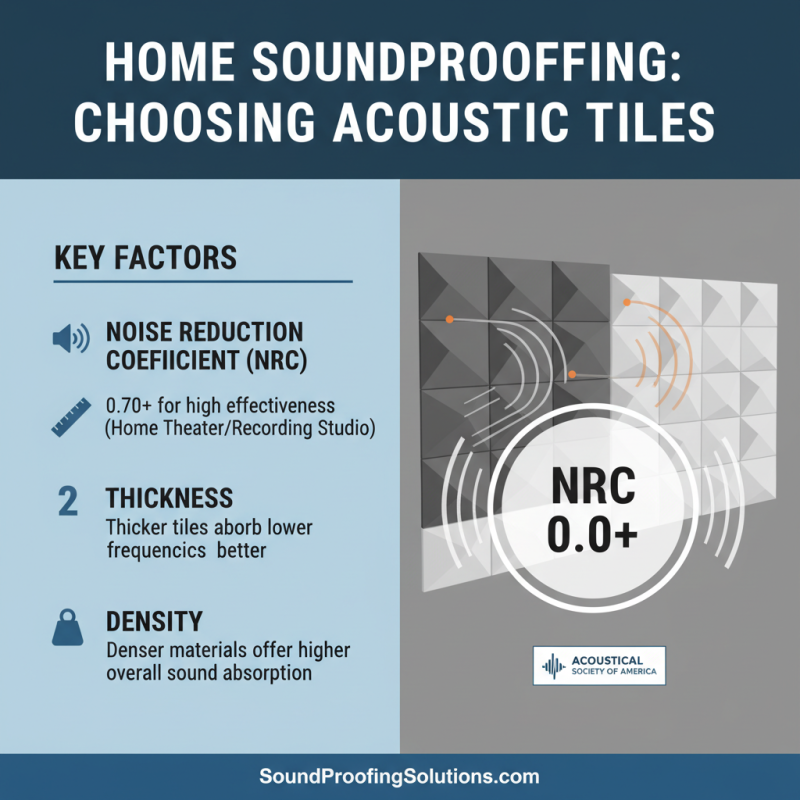
When selecting acoustic tiles for your home soundproofing needs, several critical factors come into play. Firstly, it’s essential to consider the Noise Reduction Coefficient (NRC) of the tiles. According to the Acoustical Society of America, tiles with an NRC rating of 0.70 or higher are highly effective at dampening sound, making them suitable for areas that require significant noise reduction, such as home theaters or recording studios. Additionally, the thickness and density of the tiles can also influence their performance; thicker tiles generally absorb lower frequencies better, while denser materials offer higher overall sound absorption.
Another important aspect to consider is the tile's material property. Fiberglass, foam, and mineral wool are common materials used in acoustic panels, each offering different advantages. For instance, fiberglass tiles not only provide excellent sound absorption but are also fire-resistant, making them a safer option for residential use. Meanwhile, foam tiles may be lighter and easier to install but might not perform as well in high-frequency sound absorption.
**Tips:** When installing acoustic tiles, be sure to cover at least 20% of the total wall area for effective soundproofing results. Consider the room's function—if it serves as a media room, focus on tiles with high NRC ratings. Lastly, aesthetics shouldn't be overlooked; many acoustic tiles come in various colors and designs, allowing you to enhance the room's decor while addressing sound issues.
Types of Acoustic Tiles and How They Impact Sound Quality
When choosing the right acoustic tiles for home soundproofing, understanding the different types available is paramount. Acoustic tiles can be broadly categorized into foam, fiberglass, and mineral wool, each with varying impact on sound quality. For instance, foam tiles are lightweight and excellent for dampening mid to high frequencies, making them suitable for home studios or entertainment rooms. In contrast, fiberglass tiles provide a broader range of sound absorption, effectively controlling low-frequency sounds. A report by the Acoustic Society of America indicates that the use of 2-inch thick fiberglass panels can reduce sound transmission by up to 50% compared to standard wall structures.
Additionally, mineral wool tiles are known for their soundproofing capabilities and thermal insulation. They are particularly effective in larger spaces, such as living rooms or media rooms, where controlling overall sound diffusion is crucial. According to research from the National Institute of Standards and Technology, incorporating mineral wool significantly decreases reverberation time, leading to improved clarity and richness of sound in a room.
Tips: When selecting acoustic tiles, consider the specific sound issues of your space. For example, if echoes are a concern, opt for tiles with a higher Noise Reduction Coefficient (NRC) rating. Additionally, mix different types of tiles in your design to achieve better overall sound control. Lastly, be mindful of the aesthetics, as the visual impact of tiles can enhance your home's decor while improving acoustics.
Comparative Analysis of Acoustic Tile Types and Their Sound Absorption Coefficients
This chart illustrates different types of acoustic tiles and their corresponding sound absorption coefficients across various frequencies. Understanding these values can help you choose the right tiles for your home soundproofing needs.
Installation Techniques for Optimal Acoustic Performance
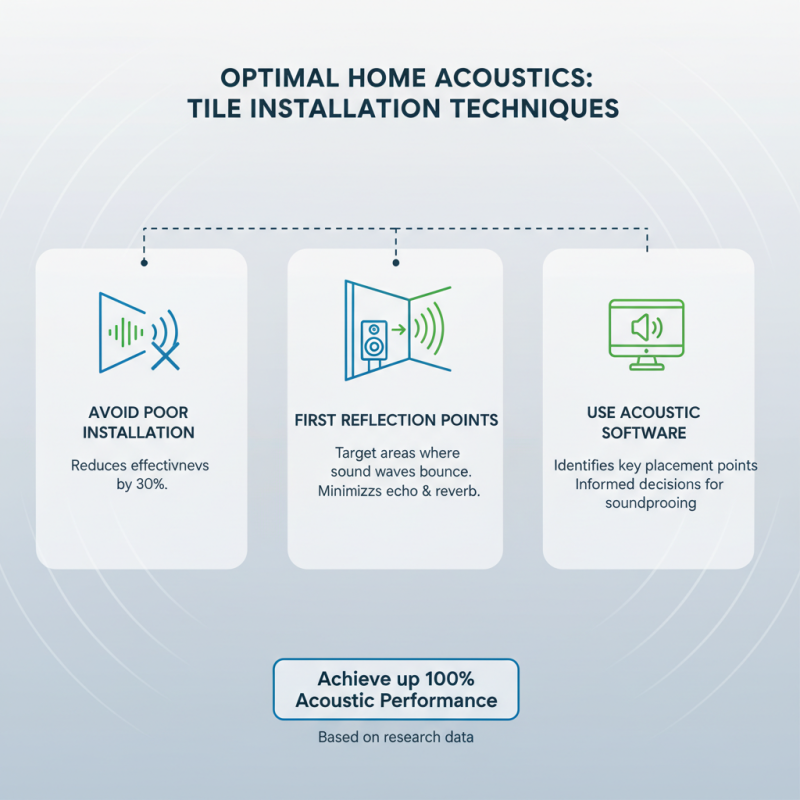
When it comes to enhancing the acoustic performance of your home, the installation techniques you choose for acoustic tiles play a pivotal role. Research indicates that poorly installed tiles can reduce their effectiveness by up to 30%, making proper installation essential for achieving optimal soundproofing. One key technique is to ensure the tiles are positioned at the first reflection points in a room, which can significantly diminish sound waves bouncing off surfaces. Utilizing acoustic modeling software can help identify these points, allowing homeowners to make informed decisions about tile placement.
Additionally, the method of mounting the tiles impacts their performance. Options like using adhesive versus mechanical fixing can yield different acoustic results. According to the International Journal of Acoustics, mechanical fixing of acoustic tiles can enhance low-frequency absorption, which is critical for minimizing bass-heavy sounds, particularly in home theaters or music rooms. In contrast, adhesive methods provide a seamless look and ease of installation but may not perform as well for specific sound frequencies. Understanding these techniques can aid homeowners in maximizing the benefits of their acoustic tiles, ensuring a quieter and more enjoyable living environment.
Maintenance and Care for Longevity of Acoustic Tiles in Homes
When investing in acoustic tiles for your home, proper maintenance is crucial to achieve lasting
soundproofing benefits. According to industry reports, well-maintained acoustic tiles can retain their effectiveness for over a decade.
Regular dusting and vacuuming can prevent the accumulation of debris that can dampen sound absorption capabilities. Using a
soft damp cloth for periodic cleaning will keep the tiles looking fresh without damaging their structure.
Here are some tips for maintaining acoustic tiles: First, keep the room's humidity levels in check, as excessive moisture can
lead to mold growth, which not only affects aesthetics but also sound quality. Experts suggest using a dehumidifier
when necessary. Second, avoid exposing tiles to direct sunlight for prolonged periods, as UV rays can degrade material properties
and discolor the surface.
It’s advisable to periodically inspect your tiles for signs of wear or damage.
If any tiles show significant wear, it may be time to replace them to ensure optimal performance. Following these maintenance practices
can ensure your acoustic tiles provide maximum soundproofing and enhance your living space for years to come.