How to Choose Custom Acoustic Panels for Your Space?
Choosing the right custom acoustic panels can significantly impact your space’s sound quality. According to industry reports, effective acoustic treatment can improve speech intelligibility by up to 90%. This transformation creates a better environment for both work and leisure.
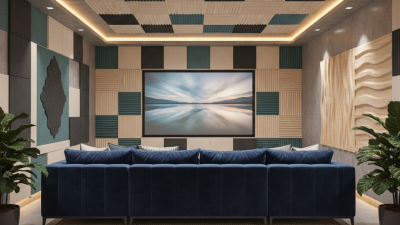
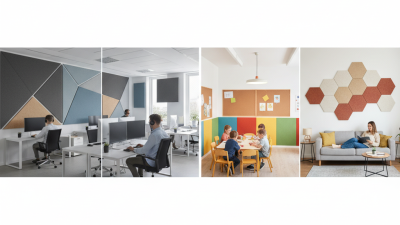
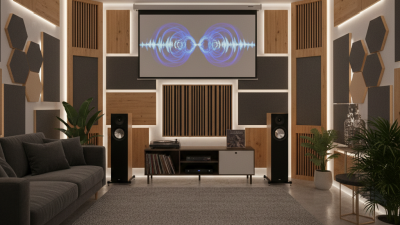
When selecting custom acoustic panels, consider factors such as design, material, and thickness. Different settings require different solutions. For instance, a conference room may benefit from panels that enhance sound clarity. Meanwhile, a home theater might need designs that absorb low frequencies.
Many often overlook the aesthetic aspect of custom acoustic panels. It is not just about functionality; it should also complement your decor. Engaging with skilled professionals helps clarify what works for your needs. A tailored solution can lead to comfort and productivity. Remember, the journey involves learning from choices made along the way.
Understanding the Importance of Acoustic Panels in Interior Design
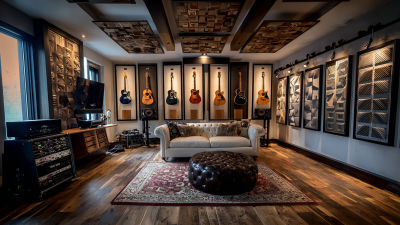
Acoustic panels play a crucial role in enhancing the sound quality of any space. Their primary function is to absorb sound waves, which helps eliminate echo and background noise. This is especially important in settings like home theaters, recording studios, and open offices. Poor acoustics can lead to discomfort and distraction, making it hard to focus or enjoy conversations. The right acoustic panels can transform a noisy environment into a tranquil one.
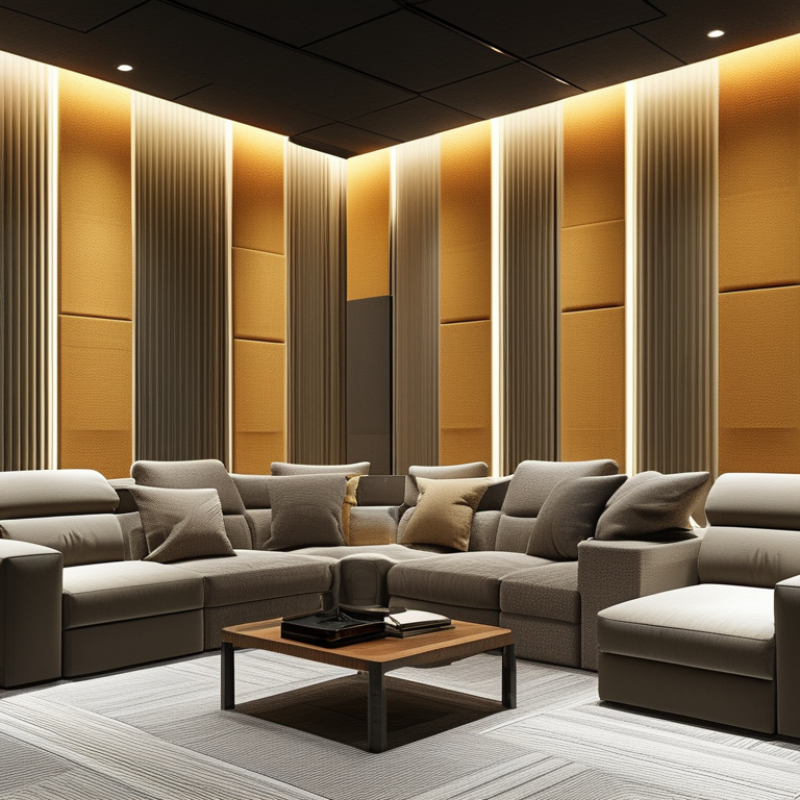
Incorporating acoustic panels into your interior design can be both functional and aesthetic. These panels come in various colors, shapes, and textures, allowing for creative expression. When choosing them, consider the room's purpose and existing decor. A well-designed panel can serve as artwork while enhancing sound clarity. However, it’s essential to strike a balance. Some designs might be visually appealing but lack sufficient acoustic performance.
Another point to reflect on is installation. Proper placement is vital for maximum effectiveness. Experimenting with different locations might lead to unexpected results. While you may find one spot ideal, trying another could significantly improve sound quality. Engaging with professionals can provide insightful perspectives on placement and panel choices. Ultimately, understanding these elements allows you to create an environment that is both visually pleasing and acoustically sound.
How to Choose Custom Acoustic Panels for Your Space?
| Dimension |
Material |
Thickness |
Color Options |
NRC Rating |
| 48" x 24" |
Fiberglass |
2" |
White, Gray, Black |
0.95 |
| 24" x 24" |
Acoustic Foam |
1" |
Blue, Green, Red |
0.85 |
| 36" x 12" |
Wooden |
1.5" |
Natural, Walnut, Espresso |
0.80 |
| 60" x 30" |
Mineral Wool |
2" |
Cream, Sand, Charcoal |
0.90 |
Identifying the Specific Acoustic Needs of Your Space
When choosing custom acoustic panels, it's essential to understand the specific acoustic needs of your space. For instance, rooms with hard surfaces, like studios or conference rooms, often experience excessive echo and sound reverberation. According to a study by the National Institute of Standards and Technology, reducing echo can improve speech intelligibility by up to 75%. This is crucial in environments where clear communication is vital.
Assessing your space starts with measuring its dimensions. Larger rooms may require more panels for adequate sound absorption. Different materials offer various absorption rates. For example, fabric-wrapped panels generally provide better acoustics in professional settings. Knowing the purpose of the room is key. A home theater might prioritize low-frequency control, while a workspace seeks to minimize distraction.
Consider how you will arrange the panels. Placement directly affects performance. Panels should cover reflection points, which are often located on walls and ceilings. It is common to overlook corners, yet they can accumulate sound energy.
Incorporating custom solutions can elevate your acoustic treatment. Tailor your choices based on specific sound frequencies you need to control. Experimentation might be necessary to find the right balance. Remember, the ultimate goal is to create a harmonious sound environment that suits your needs.
Choosing Materials: Foam, Fabric, or Wood for Acoustic Panels
When selecting materials for custom acoustic panels, consider foam, fabric, and wood. Each material has unique properties that influence the sound quality and aesthetics of your space. Foam panels are lightweight and effective at absorbing sound. They work best in home studios or practice rooms. However, not all foam types perform equally. It's essential to choose high-density options for optimal results.
Fabric-covered panels serve a dual purpose. They enhance acoustics while adding visual appeal. Various fabrics allow customization to match your decor. Pay attention to the fabric's texture and density. Some may absorb sound better than others. Yet, fabric can sometimes collect dust and allergens, requiring regular maintenance.
Wood panels offer a warm, natural look. They reflect sound, creating a balanced audio experience. These panels can be costly, but their durability is unmatched. Consider the wood type and finish, as these factors affect sound quality. This option involves a learning curve regarding installation and placement. Finding the right balance between aesthetics and functionality is crucial. Each material presents its strengths and weaknesses, influencing your decision. Reflect on the needs of your space before making a choice.
Acoustic Panels Material Comparison
This chart compares the sound absorption coefficients of different materials used for acoustic panels, aiding in selecting the most effective option for a specific space.
Design Considerations: Size, Shape, and Color of Panels
When choosing custom acoustic panels, the size, shape, and color significantly influence the final result. The size of the panels will depend on your space's dimensions and ceiling height. Larger panels can absorb sound more effectively in bigger rooms. Smaller panels work well in tighter areas. Experimenting with different dimensions is key. Sometimes, it takes a few trials to find the right fit.
Shape plays a crucial role in both aesthetics and functionality. Rectangular panels are common, but hexagon or triangular shapes can add a unique touch. Think about your room's overall design. The right shapes can enhance your decor while serving their primary purpose—sound absorption.
Color choices also matter. Light colors can brighten a room, while dark shades provide a cozy, intimate feel. Consider your existing furniture and wall colors when making your decision. If you choose a bold color, it might create a striking focal point. Reflecting on how different colors influence mood and perception will guide you. Balance is essential, as extreme contrasts can lead to visual chaos. Finding harmony in size, shape, and color may require adjustments, but the outcome is worth the effort.
Budgeting for Custom Acoustic Panel Solutions for Your Needs
Budgeting for custom acoustic panel solutions is essential for any project. Begin by assessing your space needs. Measure the room dimensions thoroughly. Consider the specific sound issues you want to address. Do you have excess echo? Or maybe noise distractions from outside?
Next, research various materials and designs. Some options can be costly, while others may fit within a tighter budget. Remember, the thickness and density of the panels impact their sound absorption capabilities. Look for materials that offer a good balance between efficiency and cost. You want to ensure that you’re not overspending on features that may not benefit your space.
Lastly, reach out to local professionals for estimates. Many might offer custom solutions within your financial range. Ask about installation costs too; they can vary significantly. It's important to engage with experts who respect your budget while providing reliable suggestions. Balancing cost with quality is key to achieving effective acoustic solutions. Be open to adjusting your budget or needs based on their feedback.