Why Choose Sound Insulation Panels for Your Space Needs?
In today’s increasingly noisy environment, the need for effective sound insulation becomes paramount. Sound insulation panels are designed to mitigate unwanted noise, promoting a peaceful atmosphere in various spaces. According to industry reports, acoustic insulation contributes to improved productivity and well-being; studies show that 70% of office workers are distracted by noise. The right sound insulation panels can significantly reduce this problem.
These panels are not just for professional settings. Homeowners can enhance their living spaces as well. Effective sound insulation can lower stress levels. In urban areas, traffic noise is a common issue. Research indicates that sound insulation panels can decrease sound transmission by up to 50%. However, not all panels are created equal. Selecting the right type based on material and application is crucial.
Investing in quality sound insulation panels yields long-term benefits. Yet, many still overlook this aspect. Awareness of the advantages provided by these panels is essential. It is necessary to reflect on choices made when constructing or renovating spaces. Small changes can lead to improved comfort and functionality.
Benefits of Sound Insulation Panels for Noise Reduction
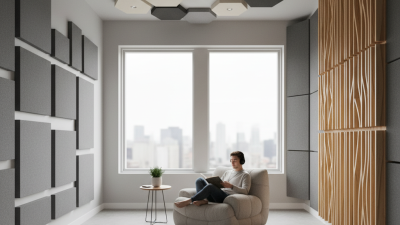
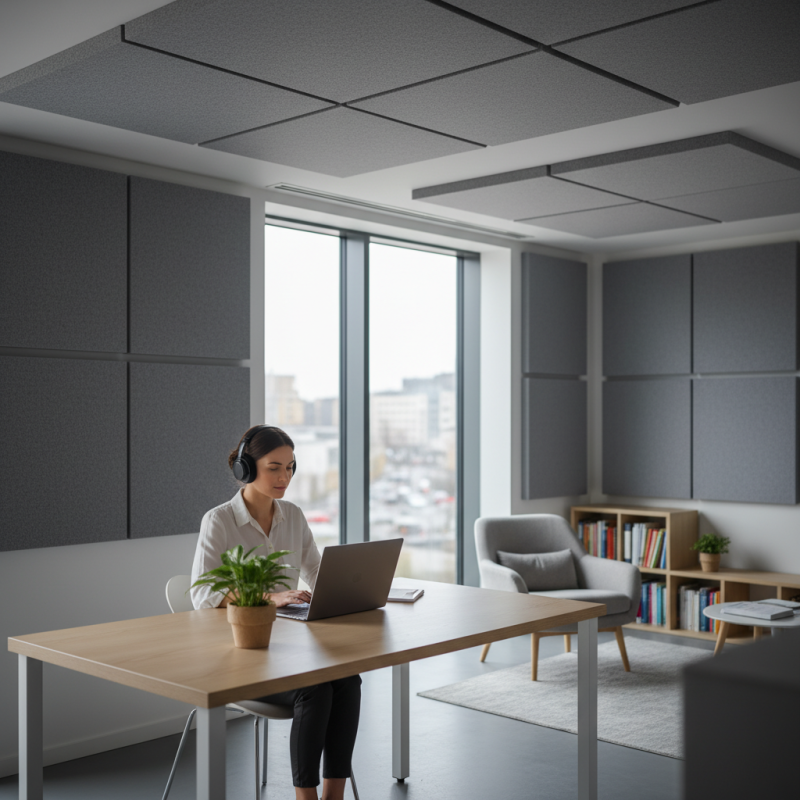
Noise pollution can significantly affect our daily lives. It disrupts focus and relaxes our minds. This is where sound insulation panels come into play. They create a barrier that absorbs disruptions, enhancing comfort and productivity in any space.
Installing these panels can lead to a serene environment. For instance, a bustling office can feel calm and organized. Meanwhile, a home studio becomes a haven for creativity. These panels come in various designs, making them versatile for every setting. Their effectiveness is backed by research, establishing their necessity for many spaces. However, not all sound insulation solutions are perfect. Some may require specific installation techniques to fully realize their benefits.
Effective use of sound insulation panels requires careful planning. Assessing space dimensions and acoustic properties is vital. Sometimes, measuring noise levels earlier could help determine the right panel density. Over time, property owners may need to reevaluate their setups. The ultimate goal is to achieve the best sound quality, balancing aesthetics and function.
Types of Sound Insulation Panels Available in the Market
When considering sound insulation panels, it’s crucial to understand the different types available on the market. Common options include acoustic foam panels, mass-loaded vinyl, and soundproof drywall. Each type serves distinct needs and has its unique properties. For example, acoustic foam panels are lightweight and excellent for reducing high-frequency sounds. They are widely used in recording studios and home theaters. Mass-loaded vinyl, on the other hand, is denser and ideal for stopping lower-frequency noise, making it suitable for industrial applications and residential settings.
Data from the National Institute of Health indicates that soundproofing can reduce noise by up to 30 dB in certain environments. This reduction can significantly enhance comfort and productivity, particularly in offices and schools. Understanding your space's specific needs is critical in choosing the right panel.
**Tips:** Assess the type of noise you experience. High-frequency noise may require foam, while low-frequency disturbances may be better addressed by mass-loaded vinyl. Don’t overlook the potential for combining different panel types for comprehensive noise control. Evaluate your space and the intended use to guide your selection process appropriately.
Why Choose Sound Insulation Panels for Your Space Needs? - Types of Sound Insulation Panels Available in the Market
| Panel Type |
Material |
Sound Reduction (dB) |
Applications |
Cost Range ($/sq. ft.) |
| Foam Panels |
Polyurethane Foam |
20-30 |
Recording Studios, Home Theaters |
1.50 - 3.00 |
| Mass Loaded Vinyl (MLV) |
Vinyl Composite |
25-35 |
Walls, Floors |
2.00 - 4.00 |
| Acoustic Panels |
Fiberglass |
30-40 |
Offices, Restaurants |
1.75 - 3.50 |
| Soundproof Drywall |
Gypsum Board |
35-45 |
Residential, Commercial |
3.00 - 5.00 |
| Green Glue |
Damping Compound |
40-50 |
Between Drywall Layers |
0.75 - 2.00 |
Installation Considerations for Sound Insulation Panels
When considering sound insulation panels, installation plays a crucial role in their effectiveness. Proper placement and method are essential for optimal noise reduction. Start by assessing the space. Measure the dimensions carefully to determine how many panels you will need. Pay attention to wall materials and existing features. These factors will influence the installation process.
Tips: Always use quality adhesive or mounting hardware. This ensures that panels remain secure over time. Don't rush the installation. Take your time to position each panel for maximum sound absorption. Small gaps can reduce overall performance.
Consider the environment as well. Rooms with irregular shapes may require creative panel placement. Angled walls or ceilings can affect sound dynamics. Testing various arrangements can lead to better outcomes. Keep in mind that not every panel placement will work perfectly the first time. Re-evaluating your layout is beneficial. Sound insulation is a journey, and each space is unique.
Why Choose Sound Insulation Panels for Your Space Needs?
This bar chart represents the average decibel reduction that can be achieved by sound insulation panels in various application areas. Residential spaces benefit from a reduction of approximately 30 dB, while recording studios can achieve as much as 50 dB, making the choice of sound insulation panels crucial for specific needs.
Cost-Effectiveness of Sound Insulation Solutions
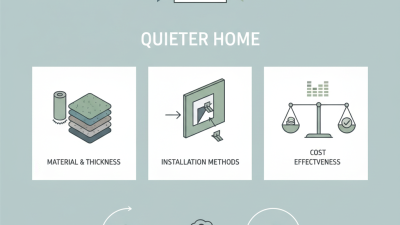
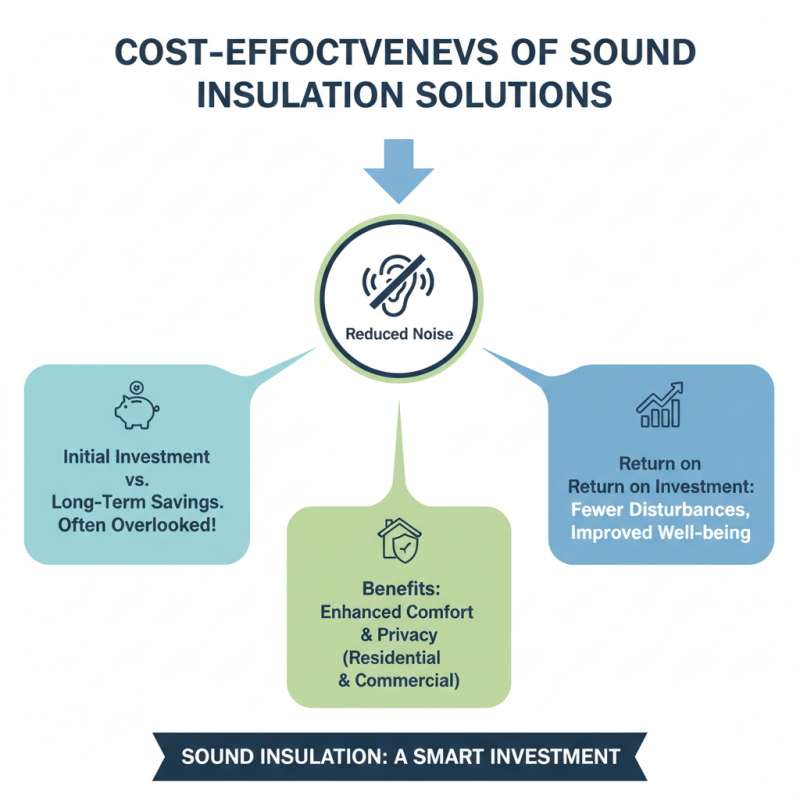
When considering sound insulation panels, the cost-effectiveness of these solutions stands out. People often overlook this aspect. For residential and commercial spaces, sound insulation not only enhances comfort but also protects privacy. The investment pays off through reduced noise disturbances.
Installing sound insulation panels can be less expensive than anticipated. They require minimal maintenance, saving you money over time. The materials used are usually durable, ensuring longevity. Additionally, the installation process can often be completed without extensive renovations, which keeps labor costs down.
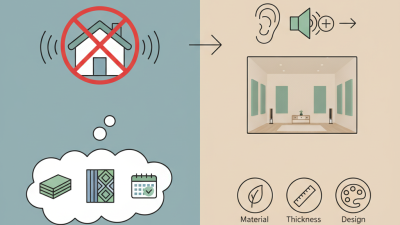
However, it’s essential to choose the right materials and installation methods. Not all panels are created equal, and improper choices can lead to unsatisfactory results. This makes it wise to consult with professionals. Regular evaluations are crucial to assess performance over time. Ultimately, sound insulation panels, when chosen wisely, serve as a practical and affordable solution for noise control.
Applications of Sound Insulation Panels in Various Spaces
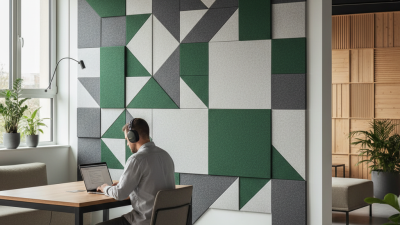
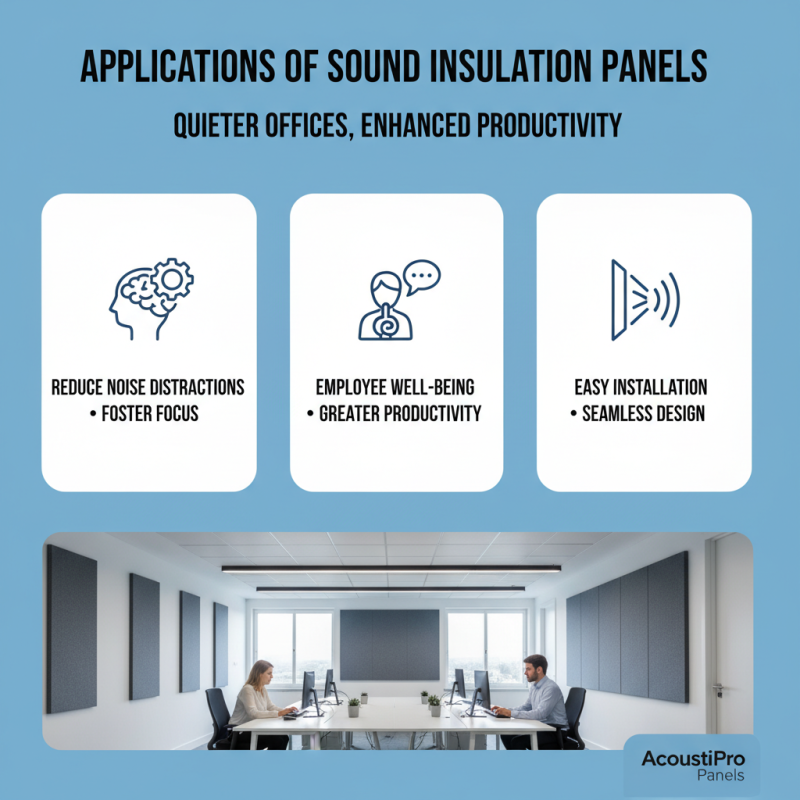
Sound insulation panels serve various essential functions in different environments. In offices, they help reduce noise distractions, fostering better focus. Employees appreciate a quieter space, which can enhance productivity. Moreover, these panels are easily installed, fitting seamlessly within modern office designs.
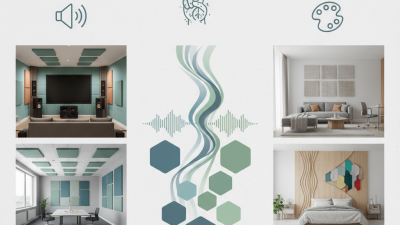
In residential settings, sound insulation panels can transform a noisy room into a peaceful retreat. Home theaters benefit hugely from these panels, providing an immersive audio experience. Bedrooms also become a sanctuary with proper soundproofing, allowing for uninterrupted sleep.
While sound insulation panels are beneficial, installation requires careful planning. Placement affects performance significantly. Misjudgments can lead to less effective noise reduction. Understanding the specific needs of each space is crucial. The correct positioning of panels will maximize their sound absorption capabilities and enhance overall acoustic comfort.