How to Choose the Best Noise Dampening Panels for Your Home or Office
When it comes to creating an optimal living or working environment, controlling sound levels is crucial. Excessive noise can lead to distractions, decreased productivity, and even increased stress levels. This is where noise dampening panels come into play. These specially designed panels not only enhance the aesthetic appeal of a room but also serve as an effective solution for reducing unwanted sound. Choosing the best noise dampening panels requires careful consideration of various factors, including the type of material, design, and placement within the space.
In this guide, we will explore the key elements to consider when selecting noise dampening panels for your home or office. Whether you're aiming to create a serene home theater experience, improve acoustic conditions in a bustling office, or simply reduce ambient noise in your living areas, understanding the properties of different panels will empower you to make an informed choice. From their effectiveness in absorbing sound to their integration with your decor, we will delve into how to choose the right noise dampening panels that meet your specific needs and preferences.
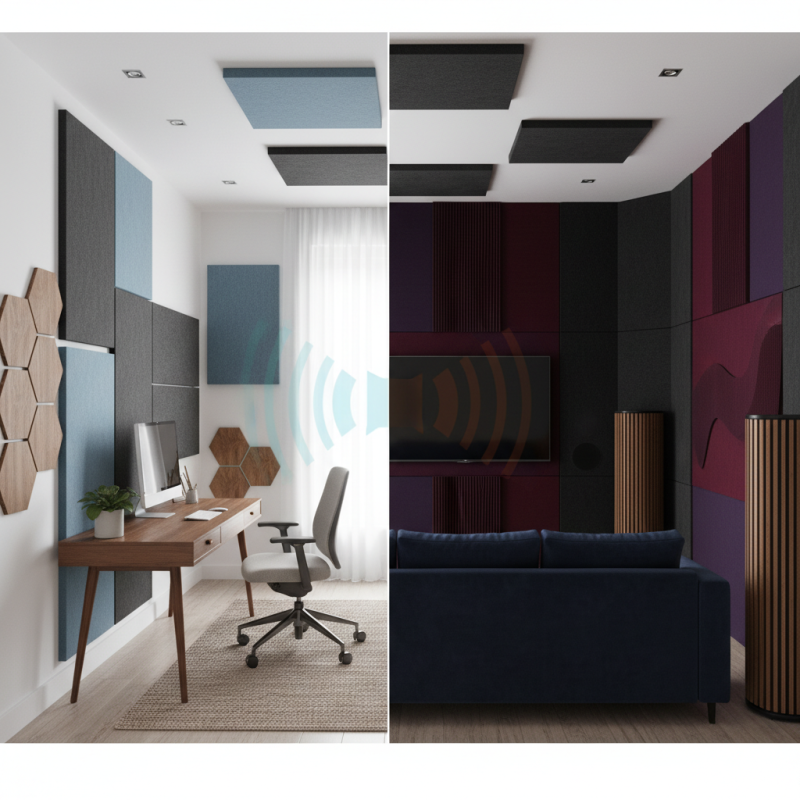
Understanding Noise Dampening Panels: What Are They?
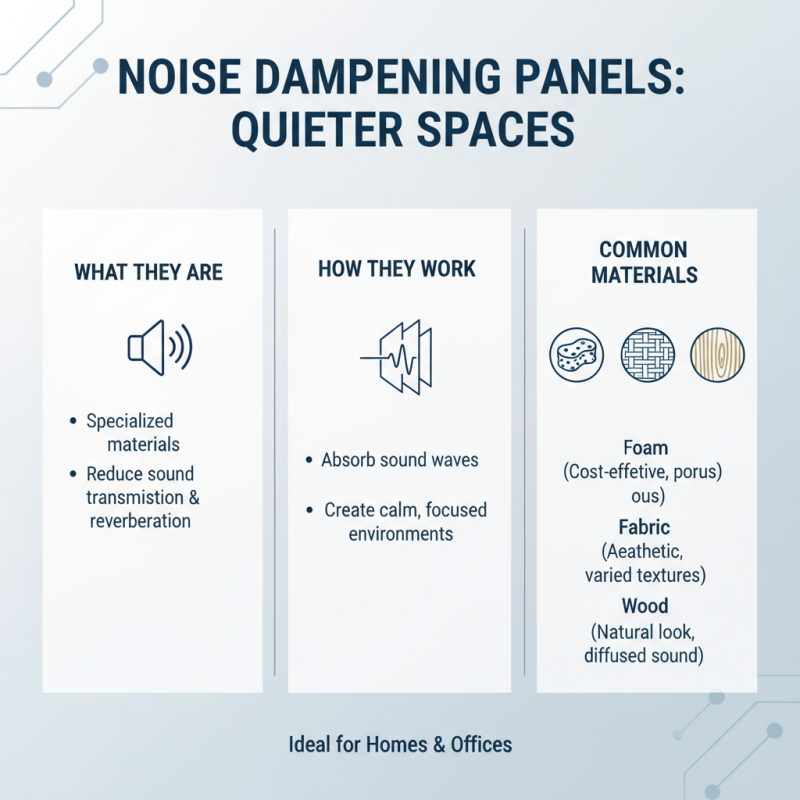
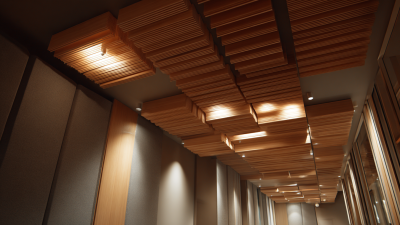
Noise dampening panels are specialized materials designed to reduce sound transmission and reverberation in various spaces, making them increasingly popular for homes and offices. These panels work by absorbing sound waves, which helps create a quieter and more focused environment. They can be fabricated from several different materials, such as foam, fabric, or wood, each providing unique benefits in terms of aesthetics and acoustic performance.
When selecting noise dampening panels, consider the specific types of noise you wish to address, such as echo or ambient noise. For instance, if speech clarity is a priority, opt for materials that effectively absorb high-frequency sounds. It's essential to assess the size of the space and the panel's placement, as the strategic positioning can significantly enhance their effectiveness.
**Tips:** 1) Look for panels with a high Noise Reduction Coefficient (NRC) rating, as this indicates their ability to absorb sound. 2) Be mindful of the color and design of the panels to ensure they complement your interior decor while serving their purpose. 3) Experiment with combinations of different materials and textures to achieve a balanced acoustic environment, as diversity in panel types can lead to improved sound quality.
Types of Noise Dampening Panels: Materials and Designs
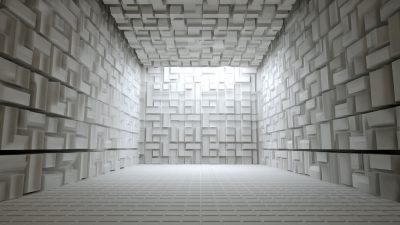
When selecting noise dampening panels for your home or office, understanding the various types of materials and designs available is crucial. Common materials used in sound-absorbing panels include foam, fabric-wrapped fiberglass, and wood. According to a report by the Acoustical Society of America, foam panels are particularly effective due to their porous structure, which helps to trap sound waves, reducing echo and improving overall acoustical comfort. Meanwhile, fabric-wrapped fiberglass panels not only provide excellent sound absorption but also enhance aesthetic appeal, making them suitable for both residential and commercial environments.
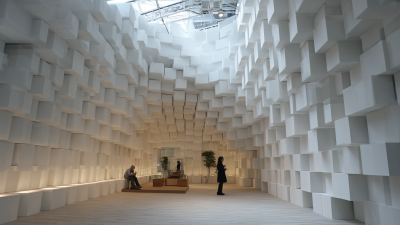
In addition to the materials, the design of the panels plays a critical role in their effectiveness. Panels are available in various shapes, sizes, and colors, allowing for creative arrangements that can complement any decor. Studies conducted by the National Institute of Standards and Technology indicate that irregularly shaped panels can diffuse sound waves more effectively than flat designs, which minimizes standing waves and dead spots in a room. Furthermore, integrating these panels strategically in high-noise areas—such as near windows or hard surfaces—can maximize their sound dampening capabilities, creating a more serene living or working environment.
How to Choose the Best Noise Dampening Panels for Your Home or Office
| Type of Panel |
Materials |
Design Options |
Effectiveness (NRC) |
Application Areas |
| Foam Panels |
Polyurethane Foam |
Wedge, Pyramid, Bass Traps |
0.80 - 1.00 |
Recording Studios, Home Theaters |
| Fabric Panels |
Mineral Wool, Polyester |
Framed, Wall Art |
0.70 - 0.95 |
Offices, Conference Rooms |
| Wood Panels |
Plywood, MDF |
Slatted, Acoustic Tiles |
0.50 - 0.85 |
Lobbies, Restaurants |
| Vinyl Panels |
Mass Loaded Vinyl |
Flexible, Stretched |
0.90 - 1.00 |
Industrial, Workshops |
| Ceiling Tiles |
Acoustic Mineral Fiber |
Flat, Textured |
0.60 - 0.95 |
Commercial Spaces |
Measuring Your Space: How to Assess Noise Levels and Acoustics
When it comes to choosing the best noise dampening panels for your home or office, the first step is to accurately measure and assess the noise levels and acoustics of your space. Understanding your environment's current sound levels is crucial. According to a study by the Environmental Protection Agency, normal conversation levels can reach 60 dB, while loud office noise can exceed 80 dB, significantly impacting productivity and comfort. Utilizing a decibel meter is an effective way to quantify the noise levels in various areas of your space, allowing you to identify which locations require the most acoustic treatment.
Once you've measured the noise, the next step is to assess the acoustics of your space effectively. Different materials and room configurations will influence sound absorption and reflection. Research published in the Journal of Acoustics indicates that soft furnishings, carpets, and dedicated acoustic panels can significantly reduce reverberation time — typically aiming for a reverberation time of less than 0.5 seconds in smaller rooms for optimal sound quality. Additionally, understanding the proportions of your room can help in selecting the appropriate panel sizes and placements. A well-structured approach to this assessment not only improves sound quality but also creates a more pleasant auditory environment for both work and leisure.
Factors to Consider When Choosing Noise Dampening Panels
When selecting noise dampening panels for your home or office, several key factors should guide your decision. Firstly, consider the material of the panels. Common options include foam, fabric-wrapped fiberglass, and polyester, each offering different levels of sound absorption. Foam panels are lightweight and easy to install, making them an ideal choice for quick fixes. Fabric-wrapped fiberglass panels, on the other hand, are generally more effective for lower frequencies, providing superior sound reduction in varied environments. Understanding the acoustic properties of these materials will help ensure optimal sound management.
Another important factor is the size and thickness of the panels. Thicker panels tend to absorb sound more effectively than thinner options, so evaluating the specific noise issues in your space is crucial. Larger panels can cover more area, potentially reducing costs on installation and providing a more uniform sound absorption effect. Additionally, think about the placement of these panels; strategic positioning can maximize their effectiveness in minimizing unwanted noise. Taking the time to consider these factors will help you make an informed choice that meets your acoustic needs.
Noise Reduction Effectiveness of Different Panel Materials
Installation Tips for Optimal Performance of Noise Dampening Panels
When installing noise dampening panels, the placement and installation technique can significantly influence their effectiveness. According to a report by the Acoustical Society of America, properly placed panels can reduce sound transmission by up to 50%, highlighting the importance of strategic positioning within your space. Ideally, panels should be installed in areas often associated with sound reflection, such as corners or spaces near audio sources. Creating a grid pattern across walls can optimize sound absorption, as this design facilitates better coverage and minimizes echo.
In addition to location, the method of installation plays a critical role in ensuring optimal performance. For instance, adhesive mounting options provide a straightforward solution for a flush finish, which is crucial for maximizing surface area and minimizing sound leakage. Studies have shown that panels that are securely attached tend to outperform those that are loosely fitted. Furthermore, incorporating additional elements such as bass traps or diffusion panels alongside standard dampening options can create a more comprehensive acoustic environment. Following these installation tips not only enhances the aesthetic of your surroundings but also significantly improves the acoustic qualities of both home and office spaces, offering a more peaceful and productive environment.