How to Choose the Best Acoustic Panels for Your Ceiling Style and Needs
When it comes to enhancing acoustic quality in a space, the choice of acoustic panels for ceiling installation is crucial. According to Dr. Emily Jenkins, a renowned acoustic consultant, "The right acoustic panels can significantly transform the auditory experience of a room, making it more comfortable and enjoyable." This assertion highlights the importance of not only selecting the right materials but also considering the unique characteristics of your ceiling style and the specific acoustic needs of your environment.
In various settings—be it a home theater, office space, or music studio—the effectiveness of acoustic panels for ceiling applications can differ dramatically based on design and installation methods. Potential buyers must consider factors such as the size of the area, the type of activities taking place within it, and even aesthetic preferences. Understanding these aspects will lead to a more informed decision, ensuring that the chosen panels not only mitigate noise but also enhance the overall appeal of the space.
By following a structured approach to selecting acoustic panels for ceiling use, individuals can achieve optimal sound quality while maintaining the intended visual theme of their rooms. This guide will delve into the essential considerations to help you make the best choice for your specific needs.
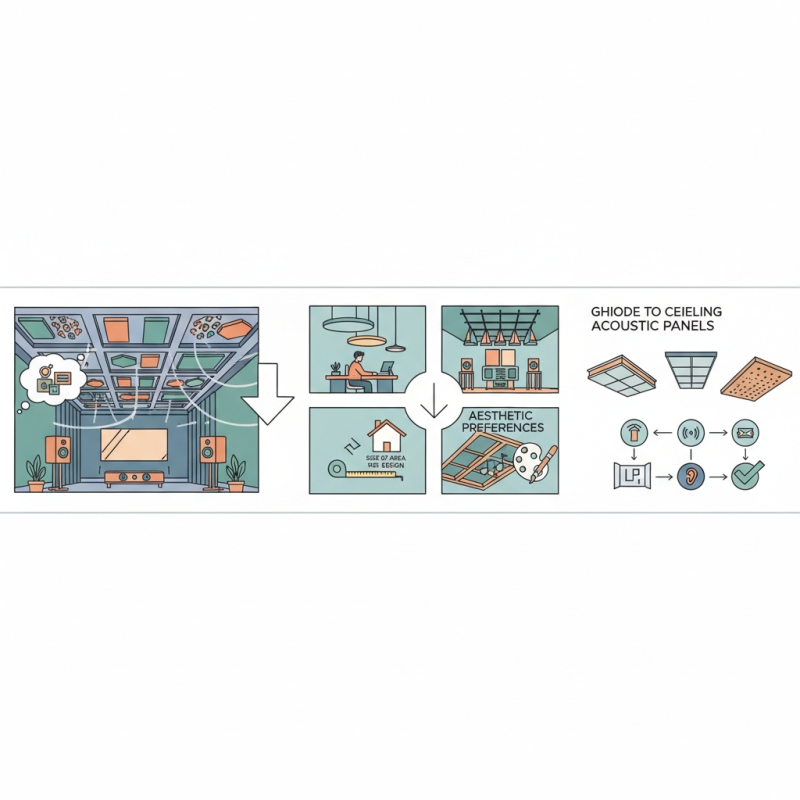
Understanding Different Ceiling Styles and Their Acoustic Needs
Acoustic panels are essential for enhancing sound quality in various environments, and their effectiveness can significantly depend on the type of ceiling style present. Assessing the acoustic needs requires understanding the inherent characteristics of different ceiling types. For instance, rooms with high ceilings, typically over 10 feet, can benefit from wall-mounted panels since their sound waves tend to travel longer distances, leading to echoes that lower overall sound quality. Conversely, suspended ceilings offer a unique opportunity for integrating acoustic tiles that can absorb sound more effectively, reducing noise levels in spaces such as offices and classrooms.
In a report by the Acoustical Society of America, it was found that adding sound-absorbing materials can improve speech intelligibility by up to 60% in open spaces. This is crucial for environments where communication is key. Implementing acoustic panels in spaces with lower ceilings, such as basements, can prevent sound from bouncing off hard surfaces, creating a more enjoyable auditory experience.
Tips for selecting the best acoustic panels include evaluating the room’s layout—consider using panels in areas where sound tends to reflect the most, such as corners and flat surfaces. Additionally, opt for panels with a Higher Noise Reduction Coefficient (NRC) rating for maximum sound absorption. This measurement can guide you in choosing the right product tailored to your ceiling style and specific acoustic needs.
How to Choose the Best Acoustic Panels for Your Ceiling Style and Needs
| Ceiling Style |
Acoustic Needs |
Recommended Panel Type |
Installation Method |
Estimated Cost (per panel) |
| Dropped Ceiling |
High sound absorption, noise reduction |
Mineral Fiber Panels |
Grid system installation |
$15 - $25 |
| Flat Ceiling |
Moderate sound absorption, reduced echo |
Foam Panels |
Adhesive or mechanical fasteners |
$10 - $20 |
| Vaulted Ceiling |
High sound reflection, reverberation control |
Acoustic Baffles |
Suspended or wall-mounted |
$30 - $50 |
| Exposed Beams |
Control sound leakage, enhance aesthetics |
Wooden Acoustic Panels |
Directly mounted to beams |
$40 - $60 |
Types of Acoustic Panels and Their Effectiveness for Ceilings
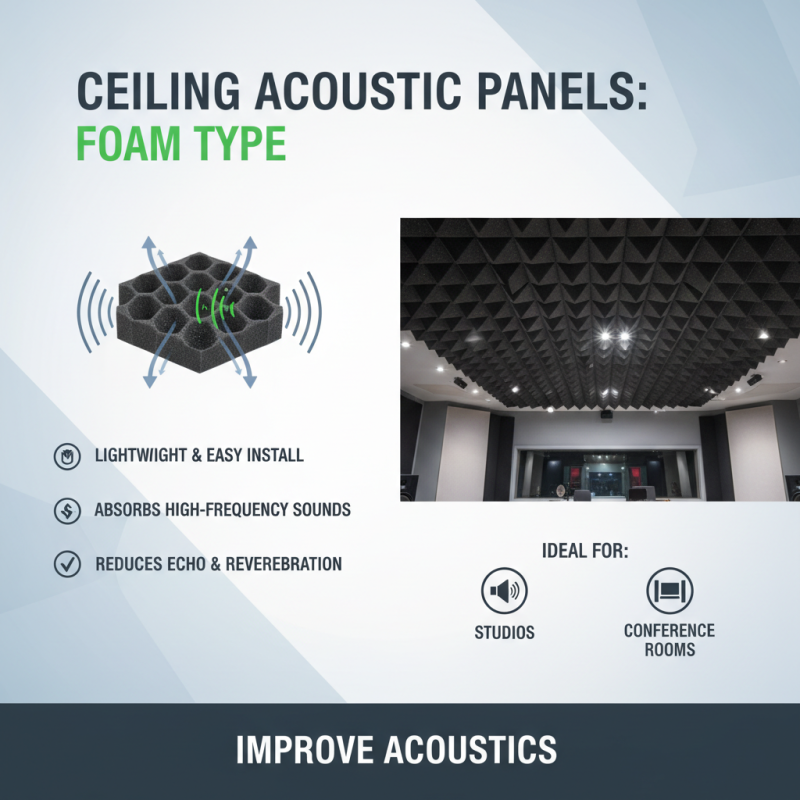
When selecting acoustic panels for your ceiling, it's essential to understand the different types available and their effectiveness in reducing sound reverberation. One popular option is foam acoustic panels, known for their lightweight nature and easy installation. These panels are particularly effective in absorbing high-frequency sounds, making them ideal for spaces that experience echoes, such as studios or conference rooms. Their textured surfaces help to diffuse sound, resulting in a more controlled acoustic environment.
Another type to consider is fabric-wrapped panels, which provide not only sound absorption but also aesthetic appeal. Available in various colors and patterns, these panels can enhance the décor of any room while minimizing noise pollution. They are effective in absorbing a broad frequency range, contributing to a balanced sound profile. Additionally, mineral fiber panels are a robust choice for commercial spaces, as they offer high sound absorption and durability. Their dense composition makes them particularly effective in managing low-frequency noise, ideal for places like auditoriums or busy offices. Understanding these options can help you choose the best acoustic panels for your ceiling to suit your specific sound absorption needs.
Key Factors to Consider When Choosing Acoustic Panels
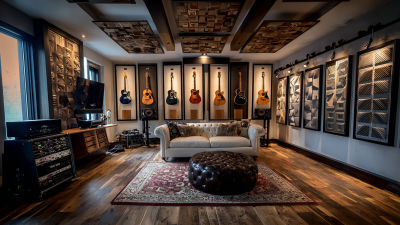
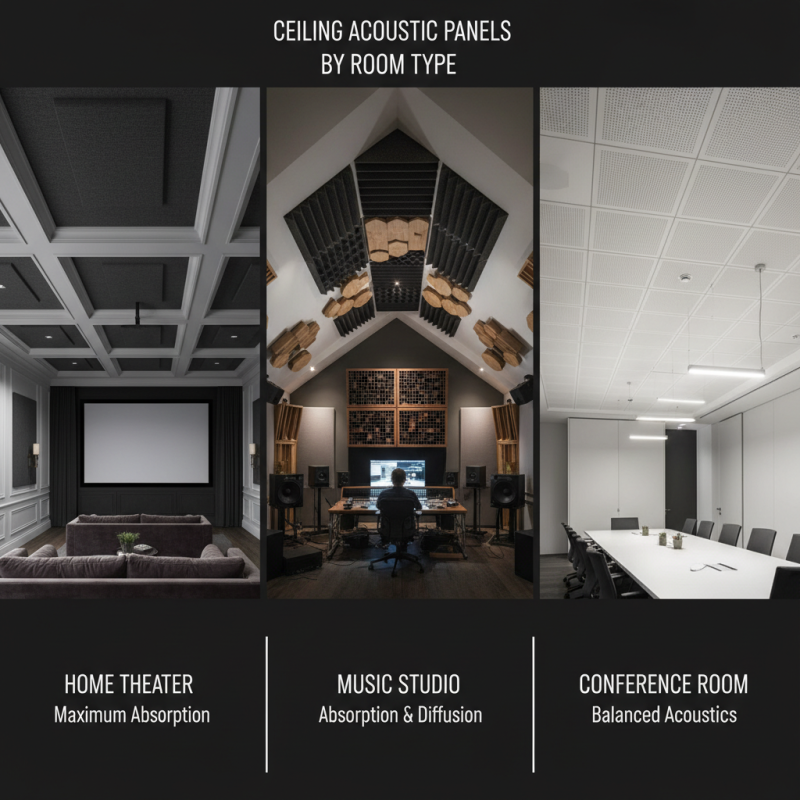
When selecting acoustic panels for your ceiling, several key factors should guide your decision to ensure they meet your specific needs and complement your ceiling style. One of the most crucial considerations is the room's purpose. Spaces such as home theaters, music studios, or conference rooms may require different levels of sound absorption. Evaluate the intended use; this will help you determine the thickness and density of the panels required to achieve optimal acoustic performance.
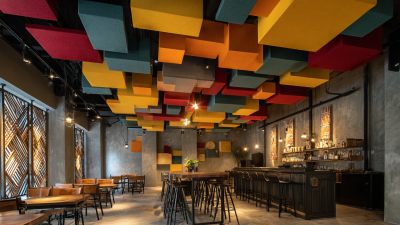
Another important aspect is the design and aesthetics of the panels. Acoustic panels come in various colors, shapes, and finishes, allowing you to choose options that harmonize with your existing decor. Look for panels that not only enhance acoustic quality but also offer visual appeal. Additionally, consider the installation method and location; some panels may be mounted directly onto the ceiling, while others can be suspended. This choice affects both sound absorption and the overall look of the ceiling, making it essential to plan the layout accordingly to achieve the desired acoustic environment.
Installation Techniques for Optimal Acoustic Performance
When installing acoustic panels on your ceiling, proper techniques are essential to maximize their effectiveness in sound absorption and overall acoustic performance. First, it's crucial to assess the specific requirements of your space. This begins with identifying the sources of noise and the areas where sound tends to reflect off surfaces. Use a measuring tape and level to mark the desired locations for your panels, ensuring that they are positioned strategically to dampen sound reflections.
For optimal installation, adhesive solutions or mounting hardware can be used depending on the ceiling type. If you're working with drywall, applying a specialized adhesive can provide a clean look without damaging the surface. For heavier panels, using anchors or brackets may be advisable to ensure that they remain securely in place. Additionally, consider the arrangement pattern of the panels; a staggered layout or aligning with a specific design can enhance both aesthetics and functionality. Overall, taking the time to plan and implement effective installation techniques will significantly contribute to the acoustic quality of your environment.
Acoustic Panels Performance Comparison
This chart compares the Noise Reduction Coefficient (NRC) of different types of acoustic panels. A higher NRC rating indicates better sound absorption capabilities, making it crucial to choose the right acoustic panel for your ceiling based on your acoustic needs.
Maintenance and Care for Acoustic Panels in Ceiling Applications
Maintaining acoustic panels used in ceiling applications is crucial for ensuring their longevity and effectiveness. Regular cleaning is essential to prevent dust and dirt buildup, which can compromise their sound-absorbing properties. A gentle vacuum with a soft brush attachment can efficiently clean the surface without damaging the material. For deeper cleaning, lightly dampening a cloth with mild soap and water can help remove stains. It is important to avoid harsh chemicals or abrasive cleaning tools that might ruin the panel's finish.
In addition to regular cleaning, it’s vital to monitor the environment where the acoustic panels are installed. High humidity levels can lead to mold and mildew growth, especially if the panels are made from absorbent materials. Ensuring adequate ventilation in the space can help mitigate moisture issues. If panels show signs of water damage or mold, prompt removal and cleaning are necessary to maintain a healthy environment. For panels that have seen better days, replacement might be the best course of action to uphold both aesthetics and acoustic performance.