What is a Butterfly Valve and How to Choose the Right One?
A Butterfly Valve is a crucial component in many industrial applications. It regulates flow, controls pressure, and isolates sections of a system. Understanding how to choose the right butterfly valve is essential for optimal performance and reliability.
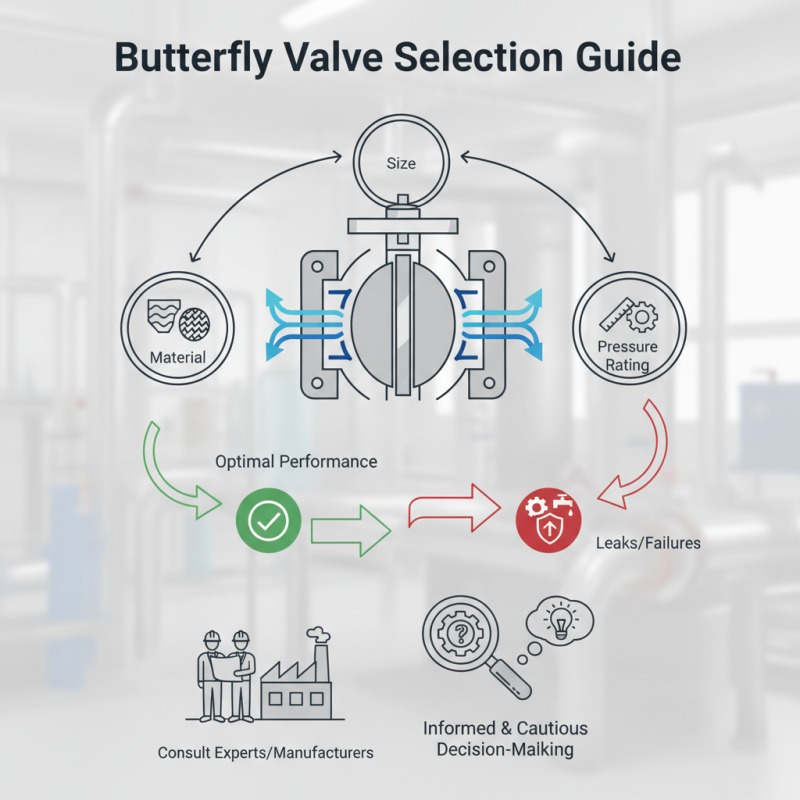
The selection process can be complex. Factors such as material, size, and pressure rating all play significant roles. A suitable butterfly valve enhances system efficiency, while a poor choice can lead to leaks or failures. Evaluating specific needs is paramount.
Moreover, it is vital to consult with experts or manufacturers. Their insights can reveal hidden issues. Mistakes in selection may lead to operational disruptions, affecting efficiency and safety. Being informed and cautious during the decision-making process is key to ensuring the proper functionality of a butterfly valve.
What is a Butterfly Valve? Definition and Functionality Explained
A butterfly valve is a type of flow control device. It features a circular disk that rotates to open or close the valve. When the disk is parallel to the flow direction, the valve is open. When it's perpendicular, the valve is closed. This design allows for quick operation and is ideal for regulating flow in pipelines.
Choosing the right butterfly valve involves several factors. Consider the application and the type of fluid. Different materials resist corrosion and wear differently. Additionally, the valve size matters. An incorrectly sized valve can lead to inefficiencies. Look for valves that suit your pressure and temperature conditions.
Tips: Always consult with a professional during selection. They can guide you based on the system requirements. Ensure installation follows best practices. Misalignment during installation can compromise performance and longevity. Regular maintenance checks are crucial too. They can prevent unforeseen failures and extend the valve's life.
Types of Butterfly Valves: Understanding Different Designs and Applications
Butterfly Valves come in various designs, each engineered for specific applications. A centric butterfly valve features a single disc positioned at the center of the pipeline. It is easy to operate and often used in water systems. However, its design can limit flow efficiency at high pressures.
Eccentric butterfly valves separate the disc from the pipeline's center. This design minimizes friction and improves flow efficiency. These valves are ideal for handling slurries or viscous fluids. Their more complex construction may lead to higher costs, but the enhanced performance can justify the investment.
Another option is the double eccentric butterfly valve. This valve design operates with two offsets, minimizing the contact area between the disc and the seat. Users often appreciate its tight sealing capabilities. It’s essential to consider the environment when choosing a valve. Each type has strengths and drawbacks. Users should weigh these factors carefully for optimal performance.
Key Factors to Consider When Choosing a Butterfly Valve for Your System
When selecting a butterfly valve for your system, consider several key factors. First, understand the valve’s application. Factors like pressure, temperature, and the medium being controlled are critical. For instance, high-pressure environments require valves designed for specific pressure ratings. According to the Valve Manufacturers Association, nearly 30% of valve failures are due to incorrect specifications.
Material choice plays a significant role. Butterfly valves materials vary widely, including ductile iron, stainless steel, and plastic. Ensure the material can withstand the chemical properties of the medium. For example, corrosive substances need valves made from resistant materials to prevent degradation.
Another factor is the valve size and end connections. Proper sizing reduces turbulence and flow restrictions. A report from the American Society of Mechanical Engineers suggests that improper sizing can increase energy costs by up to 15%.
Tips: Always align the size with your system’s specifications. Regular maintenance checks can also extend the valve’s lifespan. Pay attention to installation to ensure optimum performance. A well-installed butterfly valve can enhance system efficiency.
Remember, each application is unique. Take time to evaluate your options. Engaging with engineers or consultants can provide better insights. Make choices based on reliable industry data and past experiences.
Industry Standards and Material Specifications for Butterfly Valves
When selecting a butterfly valve, industry standards and material specifications are crucial. The type of valve must align with the application. For water systems, a PVC or EPDM rubber model works well. For high-pressure applications, you might consider stainless steel valves. Always check compatibility with fluids and operating conditions.
Material choice impacts longevity and performance. Common materials include ductile iron, stainless steel, and plastic. Each has distinct properties. Ductile iron offers strength but may corrode without proper coatings. Plastic valves are lighter and resistant to chemicals but can be less robust. Knowing the environment is essential for choosing the right option.
**Tip:** Evaluate the pressure and temperature of your system. Understand your fluid's corrosiveness. This will guide your material decisions clearly.
Be aware of the valve size and connection types as well. An undersized valve can restrict flow, while oversized valves may result in inefficiency. Therefore, proper sizing based on flow requirements is vital. A common oversight is not considering future system changes. This prevents costly replacements down the line.
What is a Butterfly Valve and How to Choose the Right One?
| Parameter | Description | Material Options | Typical Applications |
| Size | Commonly ranges from 2 inches to 48 inches in diameter. | Cast Iron, Stainless Steel, PVC | Water Supply, HVAC Systems |
| Pressure Rating | Typically ranges from 150 psi to 300 psi. | Class 150, Class 300 | Oil & Gas, Chemical Processing |
| Temperature Range | Generally from -20°F to 400°F depending on materials. | EPDM, PTFE, NBR Seals | Water Treatment, Pulp & Paper |
| Actuation Type | Manual, Pneumatic, Electric Actuator options available. | Aluminum, Stainless Steel | Industrial Processes, HVAC |
| Sealing Type | Soft-seated and metal-seated options. | Rubber, PTFE | Water Transmission, Slurry Handling |
Common Applications of Butterfly Valves in Various Industries and Sectors
Butterfly valves are versatile components in many industries. They control flow with a simple quarter-turn mechanism. This efficiency makes them suitable for various applications. In water treatment facilities, for example, they regulate the flow of water effectively. Their lightweight design simplifies installation and maintenance.
In the food and beverage sector, hygiene is crucial. Butterfly valves are often used here because they can be easily cleaned. Their smooth surfaces minimize residue buildup. However, some users report difficulties in achieving a complete seal. This can lead to leaks if not selected properly.
Power generation plants also utilize butterfly valves. They manage steam and coolant flow with precision. These valves must withstand high pressures and temperatures. In this sector, choosing the right material is vital. Corrosion resistance is a key factor in ensuring longevity. Often, mistakes in material selection can cause early failure. Proper training and expertise are essential to avoid pitfalls in these applications.
Common Applications of Butterfly Valves in Various Industries