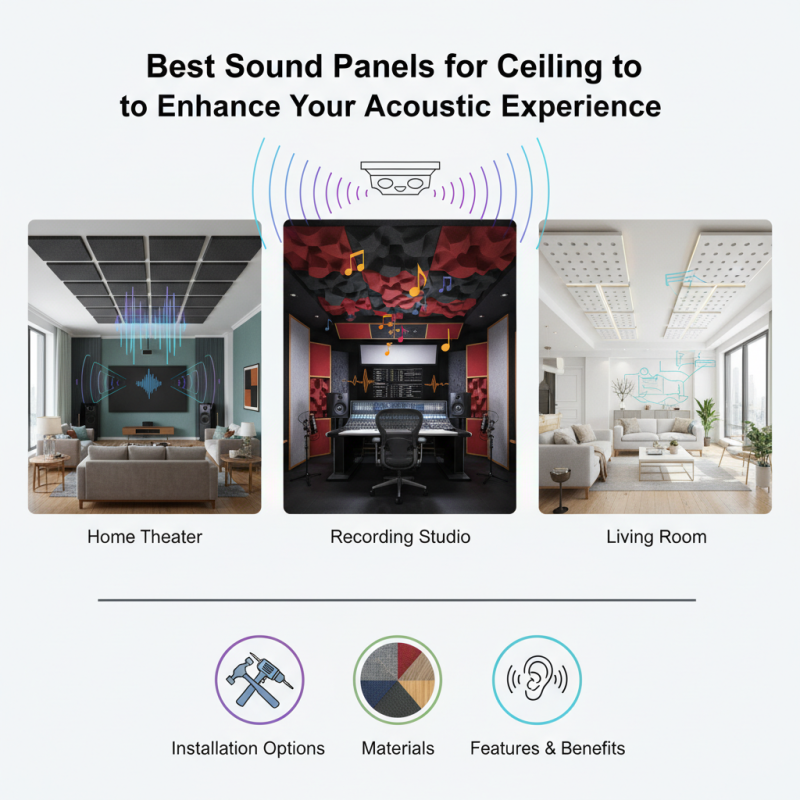
Best Sound Panels for Ceiling to Enhance Your Acoustic Experience
In today's acoustically aware world, creating an environment that either enhances or mitigates sound is becoming increasingly important. The integration of sound panels for ceiling applications has emerged as a popular solution for improving the audio quality within various spaces, from homes to commercial establishments. These panels not only help in reducing unwanted echoes and noise but also contribute to a more immersive acoustic experience, making conversations clearer and music more enjoyable.
Understanding the different types of sound panels for ceiling installations is crucial for selecting the right solution tailored to your specific needs. Whether you are looking to optimize a home theater setup, a recording studio, or simply enhance the sound quality in your living room, sound panels provide a versatile approach to acoustic management. This guide will explore the best sound panels available for ceilings, focusing on their features, materials, and installation options, helping you make an informed choice that transforms your space into an acoustic haven.
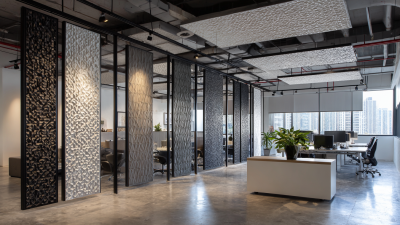
Understanding the Importance of Ceiling Sound Panels for Acoustics
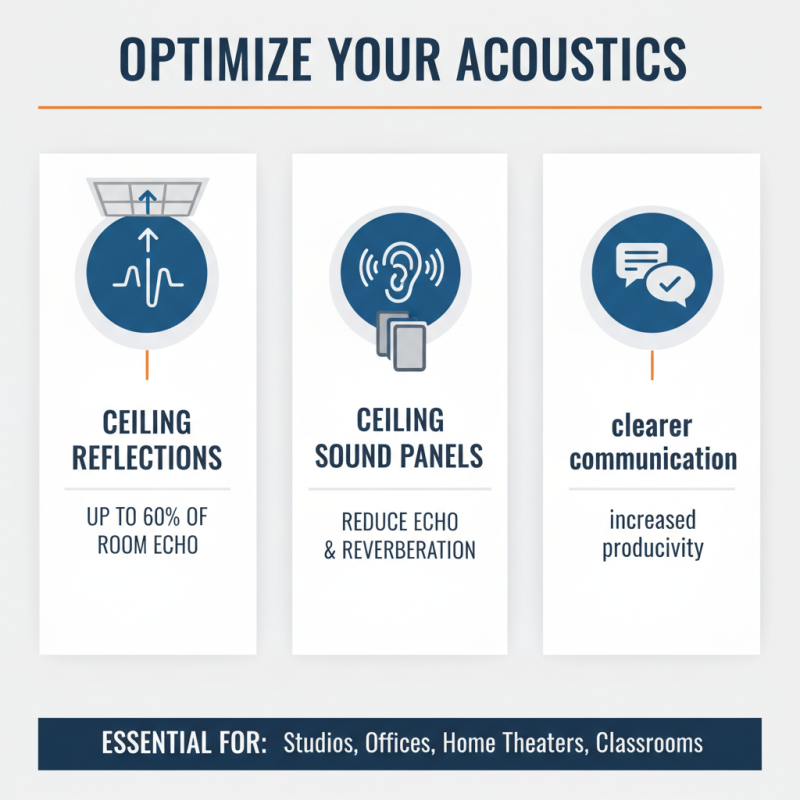
Ceiling sound panels are essential for optimizing acoustics in various environments, from recording studios to office spaces and home theaters. According to recent studies by the Acoustical Society of America, up to 60% of sound reflections in a typical room can come from the ceiling, which highlights the importance of treating this surface to enhance sound quality. The presence of ceiling sound panels can significantly reduce echo and reverberation, creating a more controlled auditory space. This is particularly vital in areas where clear communication is essential—like conference rooms or classrooms—where prolonged echo can lead to misunderstandings and decreased productivity.
Research indicates that implementing effective sound absorption panels can improve speech intelligibility by up to 70% in poorly acoustically treated rooms. This improvement not only enhances the auditory experience but also contributes to better concentration and mental well-being. In environments like restaurants or cafes, effective acoustic treatment can lead to a more pleasant dining experience, as excessive noise levels have been linked to increased stress and reduced customer satisfaction. Consequently, investing in ceiling sound panels is not merely a matter of sound quality but a vital component in enhancing overall comfort and functionality in any given space.
Types of Sound Panels Suitable for Ceiling Installation
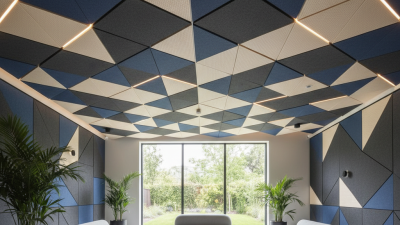
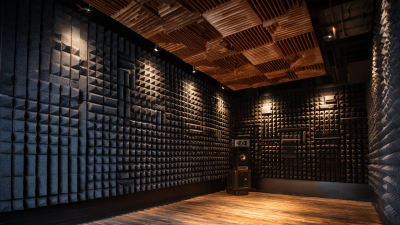
When it comes to enhancing your acoustic experience, selecting the right sound panels for ceiling installation is crucial. Several types of sound panels are available, each suited to specific acoustic needs. Absorption panels, typically made from foam or mineral wool, effectively reduce sound reflections, making them ideal for reducing echo in spaces like recording studios or home theaters. According to a recent industry report from the Acoustical Society of America, the use of such materials can lead to a 30-50% reduction in reverberation times, significantly improving overall sound clarity.
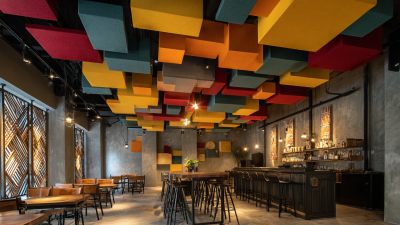
Diffusion panels serve a different purpose; they scatter sound waves instead of absorbing them, which helps maintain the room's liveliness while minimizing harsh echoes. Often made from wood or specially molded plastic, diffusion panels can be effectively placed on ceilings to balance out sound in larger spaces. In fact, research indicates that combining absorption and diffusion techniques can optimize acoustic conditions in a room, leading to a more pleasant auditory experience.
Tips: When selecting sound panels for your ceiling, consider the room's size, purpose, and existing furnishings. Additionally, ensure panels are strategically placed at primary reflection points to maximize their effectiveness. Lastly, always consult a professional if you're unsure about the best sound treatment solutions for your specific environment.
Best Sound Panels for Ceiling to Enhance Your Acoustic Experience
| Type of Panel |
Material |
Thickness |
Sound Absorption Coefficient |
Ideal Usage |
| Acoustic Foam Panels |
Polyurethane Foam |
2 inches |
0.95 |
Home Studios, Theaters |
| Fabric Wrapped Panels |
Compressed Fiberglass |
1 inch |
0.85 |
Offices, Conference Rooms |
| Wooden Acoustic Panels |
Wood |
0.75 inches |
0.70 |
Living Spaces, Bars |
| Mineral Wool Panels |
Mineral Wool |
2 inches |
0.90 |
Recording Studios, Theaters |
| Polyester Panels |
Recycled Polyester |
1 inch |
0.75 |
Schools, Classrooms |
Key Features to Look for in Ceiling Sound Panels
When selecting ceiling sound panels to enhance your acoustic experience, it's essential to focus on several key features that can significantly impact their effectiveness. First and foremost, the material composition of the panels plays a crucial role. Look for options made from high-density foam or mineral wool, as these materials are known for their sound absorption properties. Panels that are denser generally provide better performance in reducing echo and reverberation, creating a more balanced sound environment.
Another important feature to consider is the thickness of the sound panels. Thicker panels tend to absorb lower frequencies more effectively than thinner ones, making them ideal for spaces where bass sounds resonate. Additionally, consider the aesthetic factors; many panels come in a variety of finishes and colors, allowing you to choose designs that blend seamlessly with your interior décor. Lastly, the method of installation is worth noting; panels that come with easy mounting options can save time and effort, ensuring that you can achieve optimal acoustic results without hassle.
Installation Tips for Optimal Sound Panel Performance
When it comes to enhancing your acoustic experience, the installation of sound panels on the ceiling is a vital step. First and foremost, selecting the right location for your panels is crucial. Consider areas where sound reverberation is most pronounced, such as corners or reflective surfaces. Using a sound level meter can help you identify the best spots to install your panels for maximum effectiveness. Make sure to measure distances carefully to ensure uniform distribution, which will help achieve a balanced sound environment.
Furthermore, pay attention to the installation method. Mounting panels with adhesive strips can provide a straightforward solution, but ensure that the panels are securely attached to avoid any sagging or detachment over time. For a more permanent solution, consider using screws or wall anchors. To maximize sound absorption, the panels should be installed at least a few inches away from the ceiling to create an air gap; this allows sound waves to penetrate more effectively. It’s also advisable to experiment with different panel angles and orientations to find the configuration that delivers the best acoustic results for your specific space.
Sound Panel Effectiveness by Frequency Range
Maintenance and Care for Ceiling Sound Panels to Ensure Longevity
Proper maintenance and care of ceiling sound panels are essential for ensuring their longevity and effectiveness in enhancing your acoustic experience. Regularly inspecting the panels for dust accumulation or physical damage is crucial. Dust can dampen the sound absorption properties of the panels, so using a soft, dry cloth or a gentle vacuum can help keep them clean without causing any harm. It’s also important to check for signs of wear, such as fraying edges or discoloration, which may indicate that the panels need to be repaired or replaced.
In addition to regular cleaning, consider the environment where the panels are installed. High humidity or extreme temperatures can affect the materials used in sound panels, potentially leading to deterioration. To mitigate these effects, ensure that the room is well-ventilated and maintain a consistent temperature. If your ceiling sound panels are exposed to sunlight, consider using window treatments to minimize UV damage that can fade their colors and impact their performance. By incorporating these maintenance practices into your routine, you can prolong the life of your sound panels and continue to enjoy a superior acoustic experience.