10 Best Sound Absorbing Panels for a Quieter Home
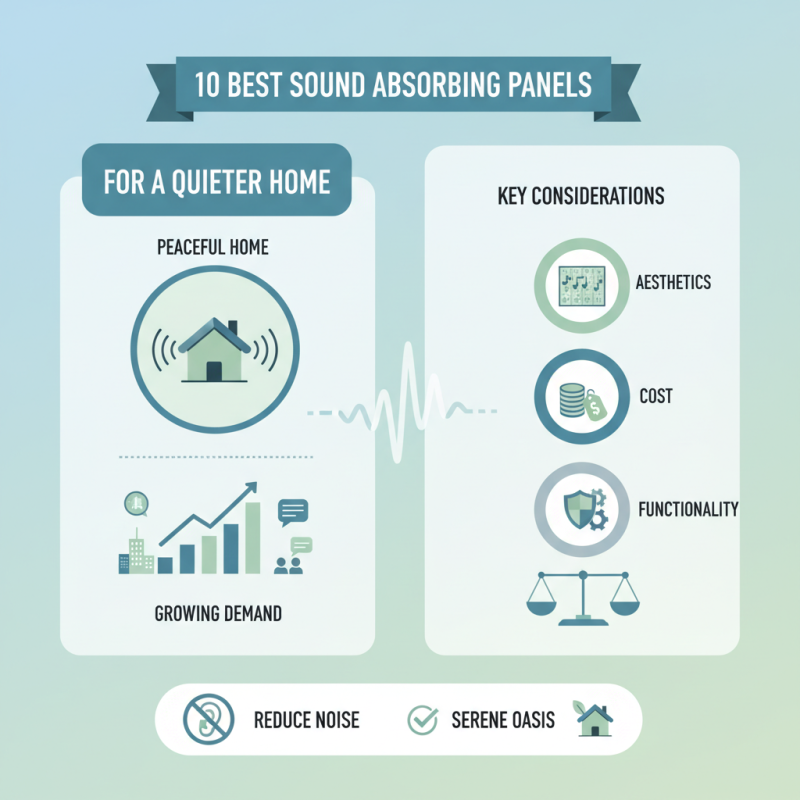
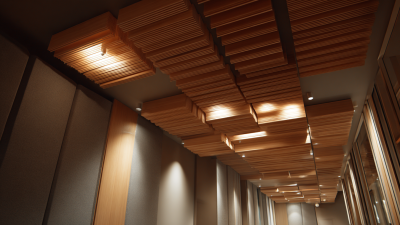
Creating a peaceful home environment is crucial for comfort and relaxation. Sound absorbing panels play a significant role in achieving this. These panels help reduce noise levels, making your living space quieter and more enjoyable.
In recent years, the demand for sound absorbing panels has grown. More homeowners recognize that noise can disrupt daily life. Whether it's from neighbors or street traffic, unwanted sound can be a nuisance. Choosing the right panels can transform a noisy room into a serene oasis.
Not all sound absorbing panels offer the same benefits. Some may look attractive but fail to perform effectively. Others might be affordable yet lack durability. It's essential to balance aesthetics, cost, and functionality when selecting these panels. Each decision can greatly influence your home’s acoustic quality, so consider your options wisely.
The Importance of Sound Absorption in Home Design
Creating a peaceful home environment is essential for overall well-being. Noise can affect focus, relaxation, and sleep quality. Sound absorption is a key element in home design that often gets overlooked. Incorporating absorbent materials helps reduce echo and background noise.
When selecting sound-absorbing panels, consider where to place them. High-traffic areas can benefit from these panels, as well as rooms dedicated to relaxation, like bedrooms. Soft furnishings and wall-mounted panels can work wonders in controlling sound. You might even notice the difference in how sound travels within a room.
Not all designs are perfect at first. Some panels might clash with your decor. Others may not absorb as much sound as expected. Reflecting on these choices can lead to better decisions. A little trial and error can be beneficial. Embracing imperfection can ultimately guide you to a more serene living space.
Key Materials Used in Sound Absorbing Panels and Their Effectiveness
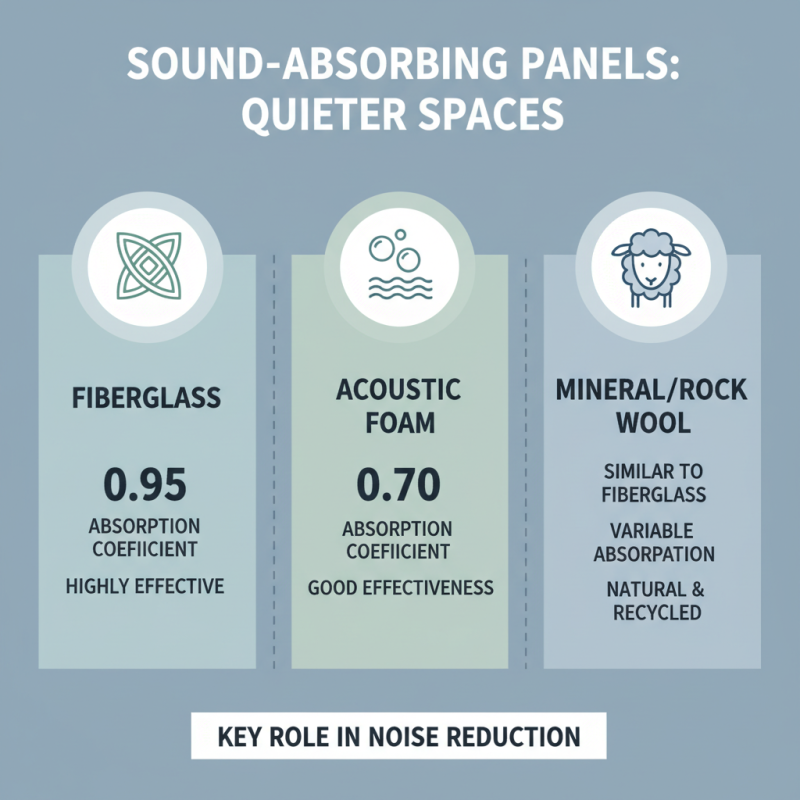
Sound absorbing panels play a vital role in creating quieter spaces. Various materials are employed in their construction. These include fiberglass, foam, and wool. Each material has unique properties and effectiveness in noise reduction. Research indicates that panels made from fiberglass can achieve an absorption coefficient of 0.95, making them highly effective. Foam panels, while good, often reach around 0.7 in absorption effectiveness.
However, choosing the right material can be challenging. For instance, wool panels are eco-friendly but may not perform as well in certain frequencies. Studies reveal that thicker panels usually offer better sound absorption. But not all consumers can invest in thick solutions due to space or budget constraints. This often leaves individuals with limited options that might not fully meet their acoustic needs.
Moreover, the aesthetic aspects of sound absorbing panels cannot be ignored. Many people struggle to find options that blend well with their home decor. A panel that looks good but performs poorly can be disappointing. Ultimately, achieving the right balance between effectiveness, aesthetics, and cost can be a complex endeavor, requiring thoughtful consideration and sometimes experimentation.
Comparative Analysis of Top 10 Sound Absorbing Panels for Home Use
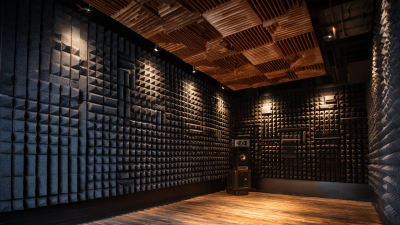
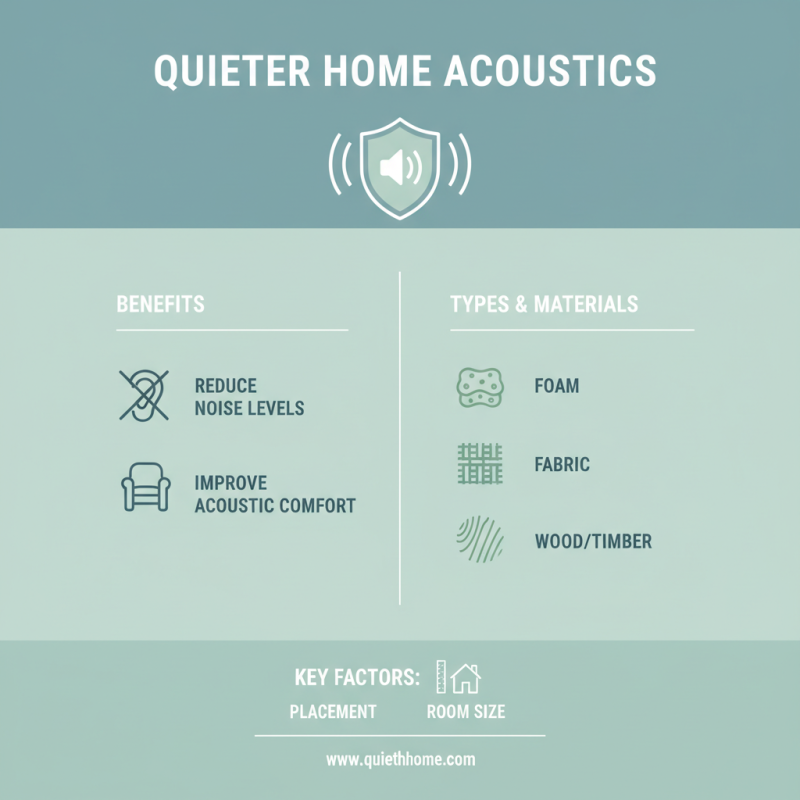
When creating a quieter home, sound-absorbing panels can be a valuable addition. They help reduce noise levels and improve acoustic comfort. These panels come in various materials and designs, making them versatile for any room. You can find options made from foam, fabric, or even wood. Their effectiveness often depends on placement and room size.
Tips: Think about where noise enters your home. Is it the living room, or maybe a home office? Placing panels in these areas can greatly enhance sound absorption. Also, consider mixing different styles for a more appealing look, rather than uniformity.
Comparing different panels helps you make an informed choice. Some may absorb higher frequencies better, while others handle mid and low frequencies. Take time to evaluate the texture, color, and thickness. Experimenting with different configurations can lead to surprising results. Remember, not every panel will work for every setting. A little trial and error can go a long way in achieving your ideal acoustic space.
Installation Best Practices for Maximizing Acoustic Efficiency
When it comes to sound absorption, proper installation is key for achieving optimal results. Studies show that acoustic panels can significantly reduce noise levels. In fact, a report by the Acoustical Society of America indicates that sound absorption can improve indoor environments by up to 50%. However, poor installation compromises effectiveness. Placing panels randomly often fails to address the primary sound sources.
To maximize acoustic efficiency, target reflection points. Identify walls and ceilings where sound bounces. Install panels in these areas to minimize noise interference. Research suggests that panels should cover 20% to 30% of wall space for noticeable improvement. This specific placement enhances performance. Additionally, experimenting with panel orientation can yield different sound absorption results.
Yet, it’s vital to consider room dimensions. Small spaces may require fewer panels than larger ones. A common mistake is overcrowding a room with panels, which can lead to eccentric acoustics. Test configurations to find the right balance. The goal isn’t just to lower decibel levels but to create a harmonious sound experience in your home.
Measuring Sound Reduction: Industry Standards and User Testing Results
When measuring sound reduction, the emphasis is often on industry standards. These standards give users a baseline to assess panels. Common metrics include Noise Reduction Coefficient (NRC) and Sound Absorption Average (SAA). An NRC score of 0.7 means a panel absorbs 70% of sound. That's impressive. But many factors affect these measurements.
User testing adds another layer of understanding. Real-life environments differ from controlled tests. A panel might perform well in a lab but struggle in a noisy living room. Placement and room acoustics play a significant role. Users frequently express frustration when their selected panels don’t meet expectations.
Considering these variables is crucial. Sometimes, online reviews highlight certain panels’ strengths. However, what works for one user may not work for another. Custom solutions often yield the best results. Achieving the perfect sound environment takes time and effort. Understanding both standards and personal experiences is key to making informed choices.