Best Noise Dampening Panels for Your Space Solutions?
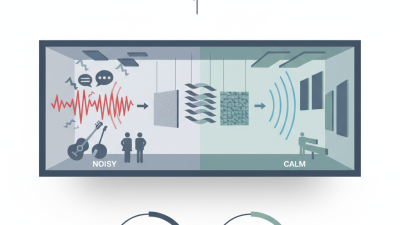
In today’s fast-paced world, noise pollution has become a significant concern. Studies show that excessive noise can lead to stress and reduced productivity. The World Health Organization reports that noise can impact sleep quality and overall well-being. This is where noise dampening panels come into play.
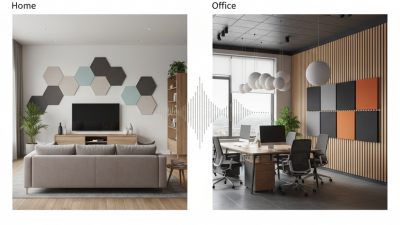
These panels are designed to absorb sound and reduce echo. They help create a more peaceful environment. For businesses, implementing noise dampening panels can improve employee focus. Research indicates that quieter workplaces can enhance productivity by up to 30%. Many office designs now incorporate these panels for better acoustics.
However, not all noise dampening panels are created equal. The materials used, and their placement greatly affect performance. Some products may not deliver the results you expect. It's essential to conduct thorough research before making a decision. By selecting the right noise dampening panels, you can transform your space into a sanctuary of calm.
Best Noise Dampening Panels: An Overview of Materials and Types
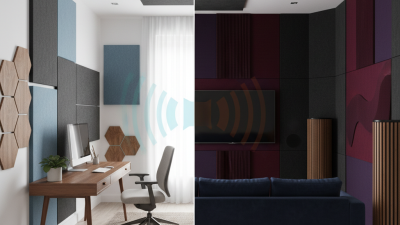
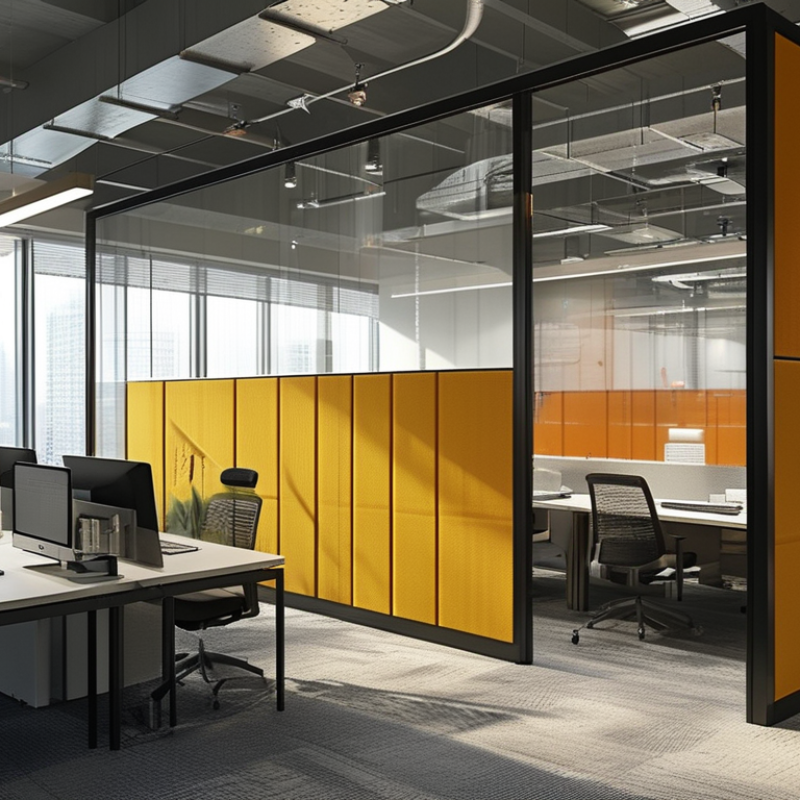
When considering the best noise dampening panels, it's essential to explore various materials and types available. Acoustic foam panels are popular due to their lightweight structure. Typically made from polyurethane, they effectively absorb sound waves. You'll often find them in music studios and home theaters. However, their aesthetic appeal may not suit every room.
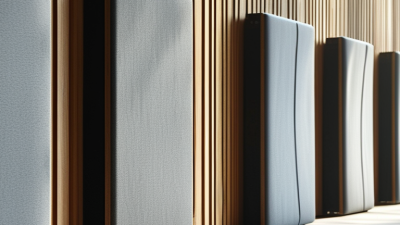
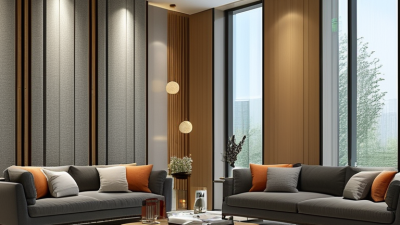
Another option is fabric-wrapped panels. These panels can be customized to match any decor. They consist of sound-absorbing materials covered with fabric. This combination offers effective noise reduction while enhancing the room's aesthetic. However, they can be more expensive compared to foam options.
Wooden panels also serve as a stylish alternative. Often found in modern offices, they provide sound diffusion. This means they scatter sound rather than absorb it. While they might look great, their efficiency depends on the room's design and layout. Consider these options carefully, weighing their effectiveness against your specific needs and preferences.
The Science Behind Soundproofing: How Noise Dampening Panels Work
Noise dampening panels play a crucial role in reducing sound transmission in various environments. Their effectiveness stems from their ability to absorb sound waves, thereby minimizing echo and disruptive noise. Research indicates that sound-absorbing materials can decrease reverberation time by up to 40%. This creates more comfortable spaces, whether in homes or offices.
The technology behind these panels is fascinating. Most panels use dense materials like foam or fabric. These materials trap sound waves, converting them into minimal energy loss. According to the Acoustic Society of America, a good panel can achieve sound absorption coefficients greater than 0.9 at specific frequencies. However, it is essential to consider panel placement. Poor positioning can lead to suboptimal results.
While many seek complete soundproofing, it's essential to reflect on real-life challenges. Complete silence is rare and often unnecessary. Striking a balance between noise reduction and sound quality can be tricky, but it’s not impossible. Sometimes, blending different panel types may enhance performance. An optimal setup might require multiple adjustments, making it a journey of patience and experimentation.
Top Industry-Recommended Brands for Effective Noise Reduction Solutions
Finding the right noise dampening panels can significantly enhance your living or work space. Many experts suggest looking for materials that have a good density and thickness. Thick panels are often more effective. Consider your space's dimensions when selecting them. An oversized panel in a small room may feel overwhelming.
When choosing products, prioritize those with high user ratings. Reviews often provide insight into how well a panel performs over time. Look for panels that are easy to install, as this can save you time and hassle. Do not underestimate the importance of aesthetics. You want panels that complement your design, not clash with it.
For effective noise reduction, placement is key. Position panels near noise sources like windows or doors. Layering different types of panels may yield better results. Think about how sound reflects and absorbs in your space. Testing various configurations could reveal surprising outcomes. Each room is unique, and what works in one may not in another. Embrace adjustments and be open to experimentation for optimal results.
Best Noise Dampening Panels Effectiveness Comparison
Comparative Analysis of Acoustic Panels: Performance and Cost Factors
When choosing acoustic panels, performance and cost are critical factors. Recent industry reports indicate that effective noise dampening can improve workplace productivity by up to 30%. A good panel absorbs sound waves, reducing echo and creating a more pleasant environment. Materials commonly used include fiberglass, foam, and fabric-wrapped options. Each material offers different sound absorption coefficients, influencing performance.
Cost often reflects the quality and effectiveness of the panels. Basic foam panels can range from $1 to $3 per square foot, while high-performing options may exceed $10. Evaluating long-term benefits is essential. Cheaper panels might require replacement sooner, adding to overall costs. Invest in panels with a high Noise Reduction Coefficient (NRC) rating to ensure better performance.
Consider the room’s specific needs. Small spaces may benefit from thicker panels, while larger areas could use a combination of different materials. Also, explore DIY solutions; they can be affordable and effective. Be mindful that aesthetics also play a role. Find panels that not only perform well but also fit your design vision. Each choice should reflect both functionality and style.
Installation Techniques for Optimal Soundproofing in Various Spaces
When aiming for optimal soundproofing, installation techniques play a crucial role. Different spaces require different approaches.
Acoustic panels can be mounted on walls, ceilings, or even in corners. Each location impacts sound absorption differently. For instance, mounting panels at ear level usually yields better sound control.
Adhesives or mounting brackets can affect the overall aesthetic of your space. A neat installation enhances the room’s look. However, many overlook the necessity of surface preparation. Clean and dry surfaces ensure better adhesion. This step is often rushed, leading to panels peeling off over time.
It’s also essential to consider room acoustics. Uneven sound distribution could result from incorrect placement. Experimenting with panel arrangement could take time, but it’s often worth the effort. Engaging in this process encourages a trial-and-error mindset. Testing various configurations will lead to the best results. There’s always room for reflection and adjustment in this evolving practice.