Why Do You Need the Best Acoustic Panels for Your Space?
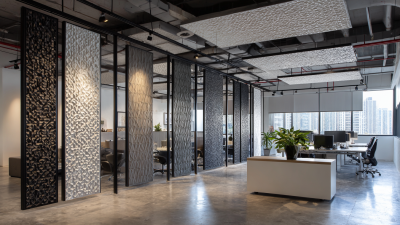
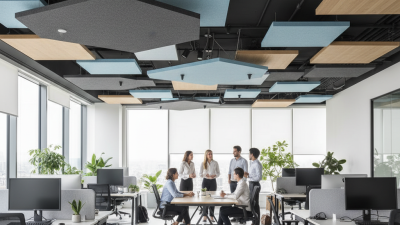
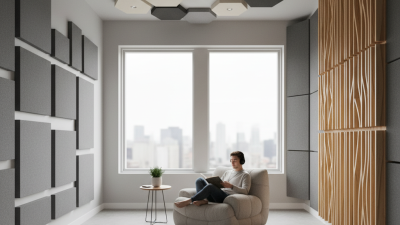
Creating an ideal acoustic environment is crucial for various spaces. Whether it’s a home theater, recording studio, or open office, sound quality matters. The best acoustic panels can significantly enhance your area by minimizing unwanted noise. They absorb sound waves, reduce echoes, and create a more pleasant auditory experience.
When investing in acoustic panels, it’s important to consider how they will fit your needs. The right choice can transform a dull space into a vibrant one. However, selecting the wrong panels may lead to frustration. You might find yourself battling persistent noise or feeling dissatisfied with the acoustic quality. It’s essential to evaluate your environment carefully before choosing.
Finally, understanding why the best acoustic panels matter is a step towards achieving a great sound experience. They not only enhance clarity but can also improve focus and productivity. It’s time to rethink your space and upgrade your sound with quality acoustic solutions.
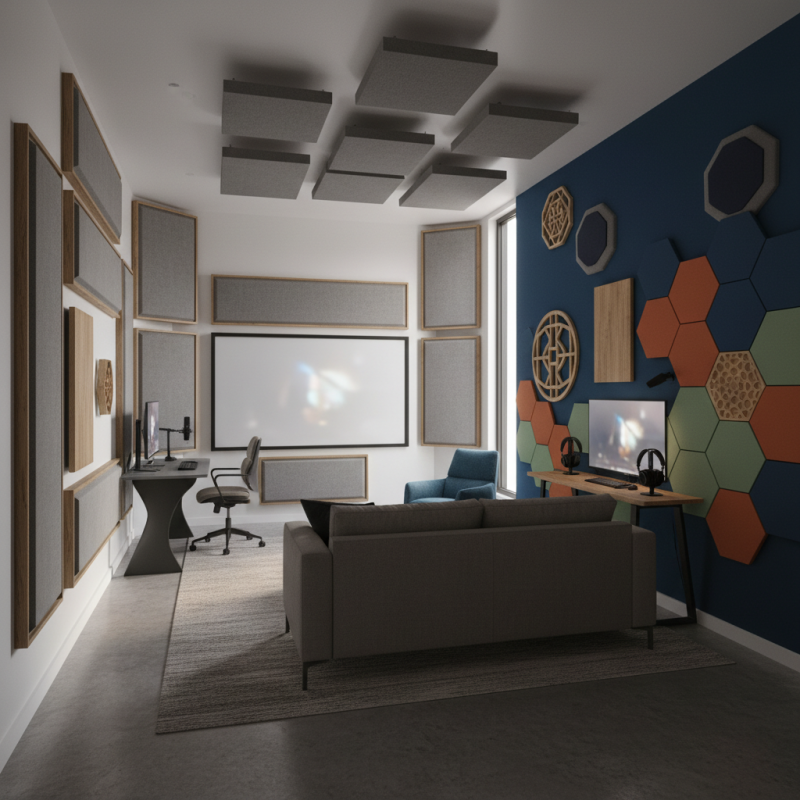
Importance of Acoustic Panels for Sound Quality Enhancement
Acoustic panels play a critical role in enhancing sound quality. Studies show that effective sound absorption can improve acoustic performance by over 50%. This enhancement is vital for spaces like recording studios and home theaters. Without proper treatment, sound waves reflect off hard surfaces, leading to unwanted echoes and distortions.
Imagine a concert hall filled with chatter. The noise can overwhelm the music, affecting the audience's experience. Acoustic panels can help manage this. According to a report from the National Institute of Standards and Technology, well-placed panels can reduce reverberation time significantly. Spaces can feel more inviting and connected when sound is managed correctly.
However, many ignore the placement and material of these panels. Not all panels are created equal. Some may absorb certain frequencies better than others. This complicates the acoustic design process. Choosing the right panels requires research and understanding. Acoustic treatment should be customized for each space, as one size rarely fits all. It's an ongoing challenge for designers and home users alike.
Why Do You Need the Best Acoustic Panels for Your Space? - Importance of Acoustic Panels for Sound Quality Enhancement
| Dimension |
Description |
Benefits |
Typical Use Cases |
| Material Type |
Foam, Fabric, Wood |
Varied absorption properties |
Studios, Offices, Home Theaters |
| Thickness |
1 inch, 2 inches, 4 inches |
Higher thickness improves sound absorption |
Recording Studios, Concert Halls |
| Color Options |
Various colors and patterns |
Aesthetic appeal, complements decor |
Home, Offices, Restaurants |
| Application Method |
Wall-mounted, Ceiling-mounted, Freestanding |
Flexibility in installation |
Theaters, Music Venues, Classrooms |
| Cost Range |
$30 - $200 per panel |
Variety based on material and size |
Home Installations, Professional Studios |
Factors to Consider When Choosing Acoustic Panels
When selecting acoustic panels, several factors significantly influence effectiveness. One crucial aspect is the material composition. Foam panels are popular, but fiberglass options may offer superior sound absorption. According to a study by the Acoustical Society of America, specific materials can absorb up to 90% of sound waves at certain frequencies. Choosing the right material is essential for achieving the desired acoustic environment.
Another important consideration is the thickness of the panels. Thicker panels generally provide better sound absorption, particularly for lower frequencies. Research indicates that panels with a thickness of at least 2 inches perform markedly better in reducing echoes and enhancing clarity. This information emphasizes the need to carefully evaluate your space's acoustic requirements before making a purchase.
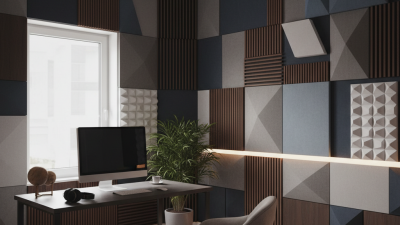
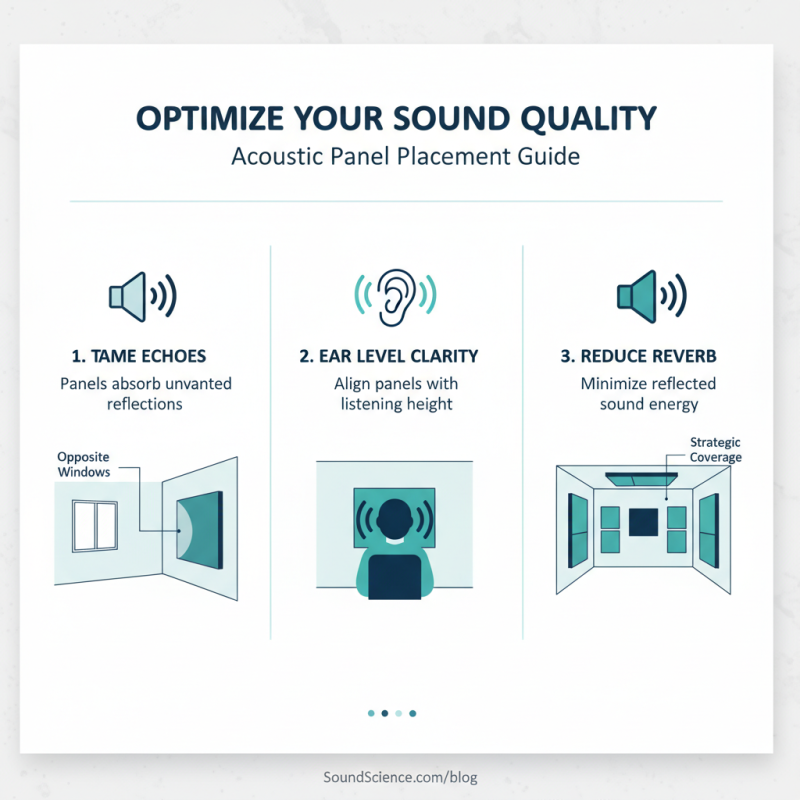
The panel's placement is just as vital. Improper positioning can lead to uneven sound distribution. A professional acoustic assessment can be beneficial, yet many individuals overlook this step. By strategically placing panels, you can improve overall sound quality. Remember that aesthetics also play a significant role in panel selection. They should blend in with your decor while still performing their function.
Importance of Acoustic Panels for Different Environments
Types of Acoustic Panels and Their Specific Benefits
When considering acoustic panels, it's crucial to understand the different types and their benefits. Fabric-wrapped panels are common in studios. They reduce echo and improve sound clarity. Research shows they can absorb up to 85% of sound energy. This makes a noticeable difference in spaces like recording studios or home theaters.
Foam panels are another option. They are lightweight and easy to install. Their design helps minimize high-frequency reflections. According to industry data, these panels can lower sound levels by 5 to 10 decibels. This reduction aids in better listening experiences, especially in busy environments.
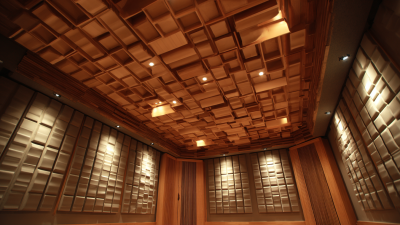
Wooden panels offer a distinct aesthetic and functional value. They add warmth to a room and can improve sound quality. Studies indicate that wood can enhance low-frequency absorption. However, they may not be as effective in smaller spaces. Choosing the right type of panel requires thoughtful consideration. Each option has unique advantages that depend on your specific needs. Balancing aesthetics, function, and the unique acoustics of your space is key.
Maintenance and Care for Longevity of Acoustic Panels
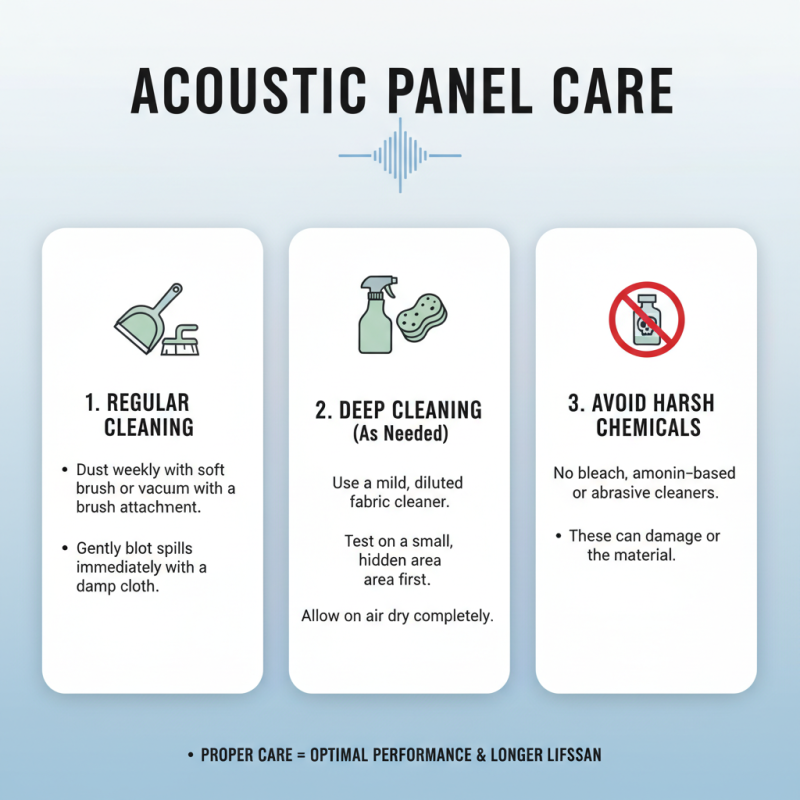
Acoustic panels are essential for managing sound in any space. However, their effectiveness depends on proper maintenance and care. Dust and grime can accumulate on the surface over time. Regular cleaning helps maintain optimal performance and appearance.
Tips for cleaning: Use a soft cloth to wipe surfaces gently. Avoid harsh chemicals that can damage the material. For stubborn stains, a simple mixture of water and mild soap can work wonders. Be mindful not to soak the panels, as excess moisture can warp them.
Checking for wear and tear is crucial. Look for signs of fading or peeling. If the edges start to fray, consider repair options. Sometimes, a new layer of fabric can refresh a panel. Regular inspections can help you catch these issues early, ensuring that your acoustic panels last longer and work effectively.