When planning your project, the choice of hardware can significantly impact functionality and aesthetics. Door Butt Hinges are a popular choice for many applications. These hinges offer a reliable and sturdy solution for door installations.
One of the key advantages of using door butt hinges is their seamless integration into the door frame. They provide a clean look, enhancing the overall visual appeal. Their design allows for smooth operation, which is vital in high-traffic areas. Moreover, door butt hinges are durable and can support heavy doors effectively.
However, it’s essential to consider the specific needs of your project. Not all door butt hinges are created equal. Some may not provide the necessary strength or may be challenging to install. Researching the right options ensures you make an informed decision. Balancing aesthetics and functionality is crucial for a successful project. Evaluate your choices carefully.
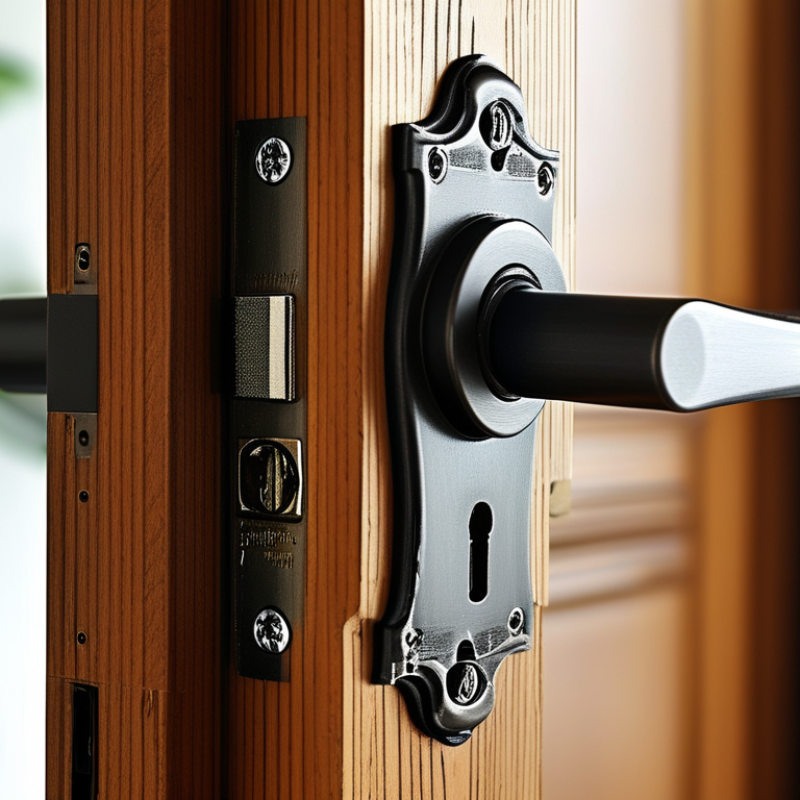
When considering door design, butt hinges play a vital role. Their compact size allows for a clean look. Door butt hinges are typically installed flush with the door and frame. This creates a seamless appearance, ensuring the door fits perfectly within the opening. It enhances the overall aesthetic of your project.
One notable benefit of butt hinges is their durability. Made from various materials, they can withstand heavy use. These hinges reduce wear and tear over time, promoting longevity. This reliability is crucial in both residential and commercial applications. Regular maintenance can amplify their lifespan, so inspect them periodically for any signs of damage.
Tips: Ensure you choose the correct size for your door. A hinge too small might not support the weight. Also, consider the door's material when selecting a hinge type. Wood doors may require different installations than metal ones. Take your time to assess the needs of your project before making decisions.

When considering door mechanisms, butt hinges stand out due to their durability and longevity. This type of hinge is designed to endure significant wear and tear. Made from robust materials like steel or brass, they resist rust and corrosion. Unlike other hinge types, butt hinges do not warp or twist under stress, ensuring your door remains functional over time. Their solid construction often leads to fewer replacements, saving you money in the long run.
Tips: Always choose the right size hinge for your door. A hinge that is too small may wear out quickly. Regular maintenance ensures smooth operation and longevity. Lubricate your hinges occasionally to reduce friction.
Many users overlook the installation process. Properly installed butt hinges maximize their lifespan. A poorly aligned hinge can cause misalignment and strain, leading to early failure. Ensure you follow the correct guidelines during installation to prevent future issues. This small detail can make a significant difference in performance.
When it comes to construction projects, the cost-effectiveness of door butt hinges cannot be overlooked. According to industry reports, using these hinges can save builders up to 25% in installation costs compared to other types of hinges. This reduction in costs is primarily attributed to their simplicity in design and easy installation process. Less labor is needed, which ultimately lowers expenses.
Another important factor is the longevity of door butt hinges. Many studies indicate that these hinges can last up to 50% longer than standard hinge types. This extended lifespan reduces the need for frequent replacements, resulting in further savings for construction companies. A project that requires fewer maintenance interventions can see significant financial benefits over time.
However, it's crucial to evaluate whether the initial lower costs may sometimes lead to overlooked quality issues. Not all butt hinges are created equal, and some may not meet specific weight or usage requirements. It's vital to choose hinges that align with the overall project specifications. Realizing the balance between immediate cost savings and long-term performance can make a difference in your project's success.
| Benefit | Description | Cost-Effectiveness | Durability |
|---|---|---|---|
| Ease of Installation | Simple to install, often requiring only basic tools. | Reduces labor costs due to quicker installation time. | Designed for long-term use, minimizing replacement costs. |
| Versatility | Can be used on various types of doors and cabinets. | Eliminates the need for multiple hinge types, saving money. | Made from robust materials for various environments. |
| Aesthetic Appeal | Available in various finishes to match designs. | Affordable options that fit within budget constraints. | Stands up to wear and tear, maintaining appearance. |
| Functionality | Smooth operation with minimal friction. | Less maintenance required, leading to lower lifetime costs. | Can handle heavy weights, prolonging door lifespan. |
Door butt hinges play a crucial role in door alignment and stability. These hinges are designed to distribute weight evenly and enhance the functionality of doors. According to industry reports, a well-aligned door experiences a significant reduction in wear and tear, extending its lifespan. Studies show that doors with quality butt hinges can last up to 30% longer than those using inferior options.
Improper alignment can lead to various issues like gaps and uneven movement. Many homeowners overlook how hinge selection impacts door stability. For instance, a misaligned door not only affects aesthetics but can also compromise security. Data from door manufacturers indicate that up to 15% of all door-related complaints stem from alignment issues caused by subpar hinges.
Installing appropriate door butt hinges can help mitigate these challenges. One key aspect is the installation angle. Poorly installed hinges can cause doors to sag over time. This can lead to operational inefficiencies and increased maintenance costs. Ensuring correct alignment during installation is essential for optimal performance.
Door butt hinges are a practical choice for various projects due to their adaptability. These hinges can be used with different materials like wood, metal, and composite. This versatility makes them suitable for residential and commercial applications. Whether it’s a heavy-duty front door or a lightweight interior panel, door butt hinges provide reliable support.
When selecting hinges, consider the specific requirements of your project. For example, heavier doors need more robust hinges to ensure durability. It’s essential to assess the weight and frequency of use to choose the right size and material. You might think the strongest hinge is the best choice, but over-engineering can lead to unnecessary costs and complications.
One tip is to check the finish of the hinges. A weather-resistant finish can extend their lifespan, especially in exterior applications. Also, don’t overlook the installation process; proper alignment is crucial for smooth operation. Misaligned hinges can cause doors to stick or require extra force to open and close. Taking time to install them correctly pays off in the long run.
