What is Acoustic Wall Tiles and Their Benefits for Buyers?
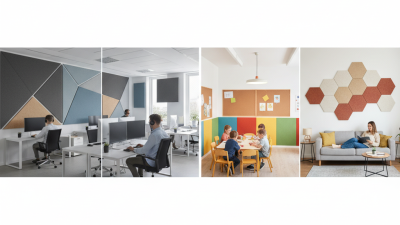
Acoustic wall tiles have gained popularity in various interior design projects. These specialized tiles serve to enhance sound quality and reduce noise levels. They are ideal for offices, studios, and even homes. High-quality acoustic wall tiles help create a more comfortable living or working environment.
The benefits of acoustic wall tiles are numerous. They improve sound clarity, making conversations easier. Additionally, these tiles can reduce echo, contributing to a more peaceful atmosphere. With various designs available, they also add aesthetic value to any space. Buyers often appreciate the blend of functionality and style.
While acoustic wall tiles offer many advantages, it's essential to select the right type. Not all tiles are made equal, and some may not fit specific needs. Researching materials and listening to expert advice can help buyers make informed choices. Taking the time to understand these products will ensure satisfaction in the long run.
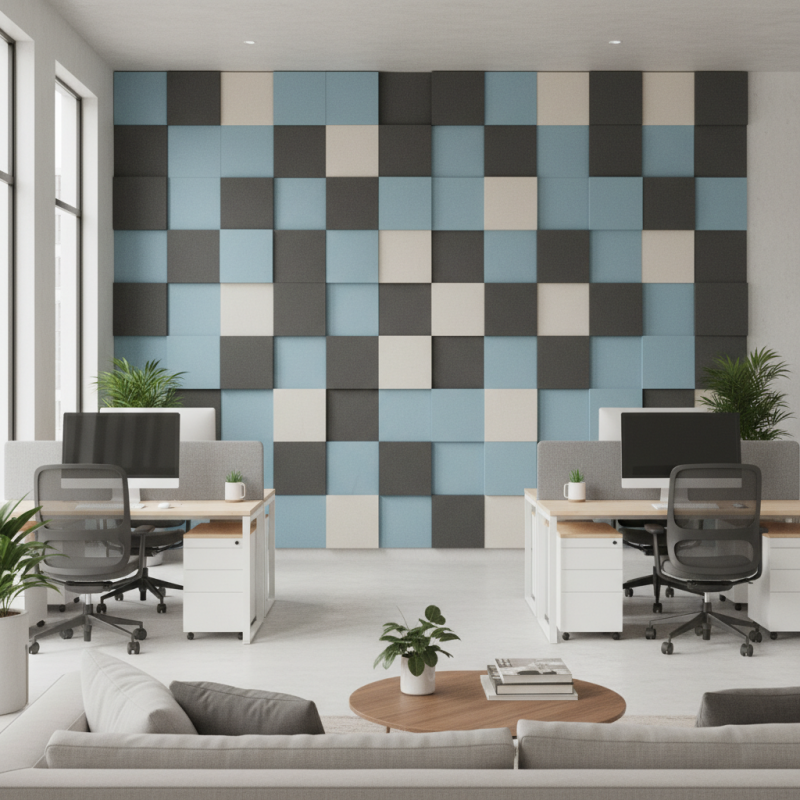
What Are Acoustic Wall Tiles?
Acoustic wall tiles are specially designed panels that improve sound quality in a space. They absorb sound waves, reducing noise levels. Ideal for offices, studios, and even homes, these tiles help create a more comfortable environment. Buyers are increasingly aware of these benefits, as sound control enhances productivity and well-being.
These tiles come in various materials, such as foam and fabric, allowing customization. Their unique designs can also add an aesthetic appeal to any space. However, not all acoustic tiles are created equal. Durability and installation ease can vary significantly. Research is essential when selecting the right product.
Tips: When choosing acoustic wall tiles, consider the room's purpose. A quiet office may need different features compared to a lively studio. Think about how colors and patterns will fit into your decor. Ultimately, the right choice can make a noticeable difference in your environment.
How Acoustic Wall Tiles Work to Absorb Sound
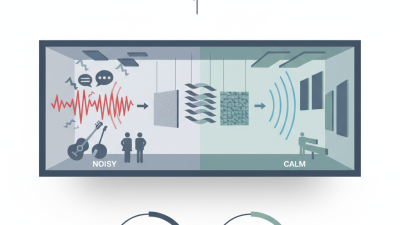
Acoustic wall tiles are designed to reduce noise by absorbing sound waves. These tiles are made from various materials, including foam, fabric, and wood, each with unique properties. According to the Journal of Architectural Acoustics, sound absorption coefficients of these materials typically range from 0.2 to 1.0, indicating their efficiency in managing sound. The higher the coefficient, the better the material reduces echoes and reverberations.
The effectiveness of acoustic wall tiles hinges on their structure. For instance, porous materials allow sound to penetrate, while the inner layers trap energy. This process significantly diminishes noise pollution in both residential and commercial spaces. A report from the Acoustical Society of America shows that environments with sound-absorbing materials can experience noise level reductions of up to 10 dB. This level of reduction can lead to noticeable improvements in conversation clarity and overall ambiance.
While the integration of acoustic tiles seems beneficial, not all spaces benefit equally. Factors such as room size and tile placement play crucial roles in performance. Moreover, some users may underestimate the importance of a proper installation. Acoustic wall tiles must be strategically placed to achieve optimal sound absorption. Misalignment or improper coverage can lead to less than satisfactory results. Hence, careful consideration in design and installation is essential.
Benefits of Using Acoustic Wall Tiles in Various Spaces
Acoustic wall tiles are specially designed to absorb sound. They improve the acoustics of various spaces like offices, schools, and homes. These tiles help reduce noise pollution and create a more tranquil environment. Whether in a classroom or a conference room, they make conversations clearer and minimize distractions.
Consider placing acoustic wall tiles in your home office. A quieter space enhances focus and productivity. In busy workspaces, these tiles help reduce noise levels, allowing employees to concentrate better. This can lead to improved job satisfaction. In schools, they create a conducive learning atmosphere, making it easier for students to absorb information.
Tips for choosing acoustic wall tiles:
Select colors that blend well with your space. Light shades can brighten a room, while darker tones can provide intimacy. Look for eco-friendly materials that ensure better air quality. You could also experiment with different textures. This adds to the aesthetic appeal and functionality of your space. Remember to account for tile thickness. Thicker tiles often provide better sound absorption but may require more wall space.
Benefits of Acoustic Wall Tiles in Various Spaces
The chart below illustrates the key benefits of using acoustic wall tiles in different spaces, highlighting their effectiveness in reducing noise levels and enhancing comfort.
Factors to Consider When Choosing Acoustic Wall Tiles
When selecting acoustic wall tiles, several factors come into play. The material of the tiles affects sound absorption rates. Common options include foam, fabric, and wood.
Foam tiles are lightweight and easy to install. Fabric tiles often add a decorative touch while also providing sound insulation.
The size and shape of the tiles also matter. Larger tiles might cover more area but can be cumbersome in smaller spaces. Shape can influence aesthetics and sound performance.
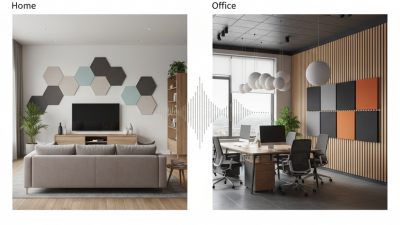
For example, hexagonal tiles can create unique patterns and enhance acoustic properties.
Budget considerations are crucial as well. High-quality tiles can be an investment. Cheaper options might save money upfront but may lack durability. It’s wise to balance cost with acoustic performance. Design preferences are important, too. The right tiles should blend with the existing decor. Evaluating these factors can lead to a more informed decision.
Installation and Maintenance Tips for Acoustic Wall Tiles
Acoustic wall tiles are a popular choice for anyone looking to enhance sound quality in their spaces. When it comes to installation, proper preparation is crucial. Begin by ensuring the wall surface is clean and dry. This helps the adhesive adhere better and creates a long-lasting bond. Depending on the tile type, you may need to apply a specific adhesive or use peel-and-stick options. Measure out your layout carefully to avoid uneven placements, as this can affect both aesthetics and sound absorption.
Maintenance of acoustic wall tiles involves regular cleaning. Dust and debris can impact their performance. A simple damp cloth or a soft broom can usually do the trick. However, be cautious with any cleaning chemicals; not all tiles react well to them. It's also wise to check for signs of wear or damage periodically. Sometimes, neglecting small issues leads to bigger problems. Think about how environmental factors, like humidity, may impact your tiles over time. Close observation can extend the life of your investment and keep your walls looking pristine.